Recently, in the past couple of years, AI + IoT has been a hot topic of discussion, but most of it remains in the conceptual stage.
Until I saw a project: Sealcoin, which made the direction feel more concrete.
It’s not just another ordinary token, but a settlement layer designed specifically for a future where "machines become economic participants."
Simply put, it enables IoT devices, AI agents, and even satellites to authenticate their identities, trade data, and settle value on their own, without humans constantly overseeing operations.
For example:
👉 Solar panels can directly sell electricity and data
👉 Electric vehicles can exchange energy peer-to-peer
👉 AI agents can receive payments after completing tasks
👉 Even satellites can trade in real-time on the blockchain
It sounds a bit sci-fi, but they are actually moving toward this vision.
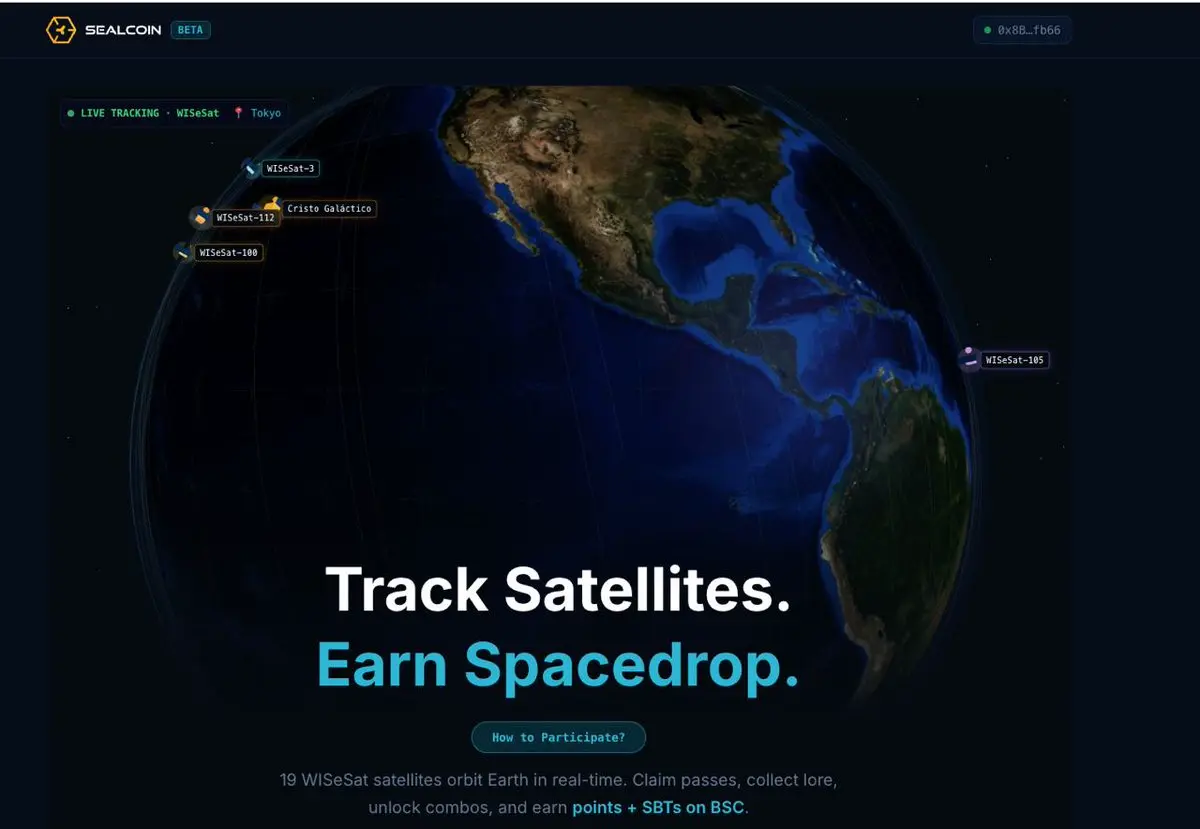
Currently, their official airdrop Spacedrop is open for participation:
You can directly interact with WISeSat satellites, earn points, mint SBTs, and in the future, proportionally receive QAIT.
The community was just launched recently and is still in the early stages. If you're interested, you can check it out.
The project is built on Hedera’s enterprise-grade infrastructure (high throughput, fixed USD transaction fees).
Plus, WISeKey’s 25 years of secure chip experience, which embeds wallet and post-quantum security directly into the chip, essentially giving devices a tamper-proof digital identity from birth.
Ordinary users don’t even need to buy hardware; by locking QAIT through their PoSy mechanism, they can participate in the network and share in transaction fees generated by devices.
Overall, this is more about competing in real infrastructure rather than just discussing concepts.
If you're interested, you can follow @Sealcoin_QAIT to see what they’re working on recently.
You can also participate in the airdrop by linking your wallet, following X, joining the group, and completing daily tasks to earn points, which can later be exchanged for QAIT.
Community 👇
Until I saw a project: Sealcoin, which made the direction feel more concrete.
It’s not just another ordinary token, but a settlement layer designed specifically for a future where "machines become economic participants."
Simply put, it enables IoT devices, AI agents, and even satellites to authenticate their identities, trade data, and settle value on their own, without humans constantly overseeing operations.
For example:
👉 Solar panels can directly sell electricity and data
👉 Electric vehicles can exchange energy peer-to-peer
👉 AI agents can receive payments after completing tasks
👉 Even satellites can trade in real-time on the blockchain
It sounds a bit sci-fi, but they are actually moving toward this vision.
Currently, their official airdrop Spacedrop is open for participation:
You can directly interact with WISeSat satellites, earn points, mint SBTs, and in the future, proportionally receive QAIT.
The community was just launched recently and is still in the early stages. If you're interested, you can check it out.
The project is built on Hedera’s enterprise-grade infrastructure (high throughput, fixed USD transaction fees).
Plus, WISeKey’s 25 years of secure chip experience, which embeds wallet and post-quantum security directly into the chip, essentially giving devices a tamper-proof digital identity from birth.
Ordinary users don’t even need to buy hardware; by locking QAIT through their PoSy mechanism, they can participate in the network and share in transaction fees generated by devices.
Overall, this is more about competing in real infrastructure rather than just discussing concepts.
If you're interested, you can follow @Sealcoin_QAIT to see what they’re working on recently.
You can also participate in the airdrop by linking your wallet, following X, joining the group, and completing daily tasks to earn points, which can later be exchanged for QAIT.
Community 👇