EchoesOfRollup

vip
Age 0.1 Yıl
Peak Tier 0
No content yet
Recently, I saw someone going around granting permissions for social mining and fan tokens, feeling that "attention is mining" basically means signing multiple times and leaving more footprints on the chain... But the easiest thing to overlook is the unlimited contract authorization issue. Many people think that as long as they haven't been robbed, it's fine; in fact, not revoking permissions is like not sleeping: just because nothing has happened now doesn't mean your body (wallet) isn't overdrawing. Especially with some old project contract upgrades or front-end domain changes, if a small vu
View Original
  • Reward
  • Comment
  • Repost
  • Share
This kind of market condition is: one side is shouting to dump the price, while the price is still consolidating, patiently waiting for the trend.
View Original
CryptoFrontier
Shiba Inu Holds Support as 31.7B SHIB Flows to Exchanges
Shiba Inu is showing resilience despite a sharp increase in tokens moving to exchanges. Data indicates that 31.74 billion SHIB entered trading platforms within 24 hours, raising concerns about potential selling pressure. At the time of writing, SHIB trades at $0.000006229, marking a gain of 0.61% ov
  • Reward
  • Comment
  • Repost
  • Share
Just revisiting old issues makes me a bit scared... Recently, I almost threw some money into a blockchain game pool, which seemed to have steady returns on the surface. But I looked a little closer: new tokens kept being issued, items kept being produced, yet the consumption side mainly relied on "newcomers taking over" and a few events to boost peak values. To put it simply, inflation isn't under control, production is getting more and more intense, so how can the pool not be dragged down? Once activity drops a bit, selling pressure is like water leaking and can't be stopped.
Recently, there
View Original
  • Reward
  • Comment
  • Repost
  • Share
Lately, the more I think about it, I realize that the most torturous thing at the end of the year isn't the price fluctuations, but the tax reporting and those transaction records... Especially for someone like me who moves back and forth within rollups and then settles on L1, if I don't leave a trail, it's really a disaster. Now I basically do this: every time I make a large transfer, cross-chain transaction, or interact with a contract, I make a quick note (time, chain, address, tx hash, approximate purpose at the time), and then periodically export and save a record of my exchange deposits
View Original
  • Reward
  • Comment
  • Repost
  • Share
AML packages won't be implemented until 2027, but right now, it seems many institutions haven't even clarified their roadmaps.
View Original
CryptoFrontier
PwC Survey: EU Financial Firms Face 2027 AML Compliance Gap
PwC has reported that only around one-third of European financial institutions expect to be ready for the European Union's Anti-Money Laundering package by the July 2027 deadline, according to findings based on responses from more than 500 institutions across 40 countries. The survey highlights a
  • Reward
  • Comment
  • Repost
  • Share
Listen to a few more opinions on this node, I will observe at 11:15 UTC.
View Original
CryptoRevolutionMaster
Join me for epic Live later today at 11:15 AM UTC Time on Gate Live. We will talk about the current Market.
https://gate.com/post?post_id=20526136&tim=FBURAwgBX0UFAFYhEwgIBlwdU1kK&ref=BFRGAAsN&ref_type=105
Don't miss it 🔥
repost-content-media
  • Reward
  • Comment
  • Repost
  • Share
The oscillation range is the easiest to be shaken back and forth; be patient and help the market choose a direction.
View Original
CryptoSat
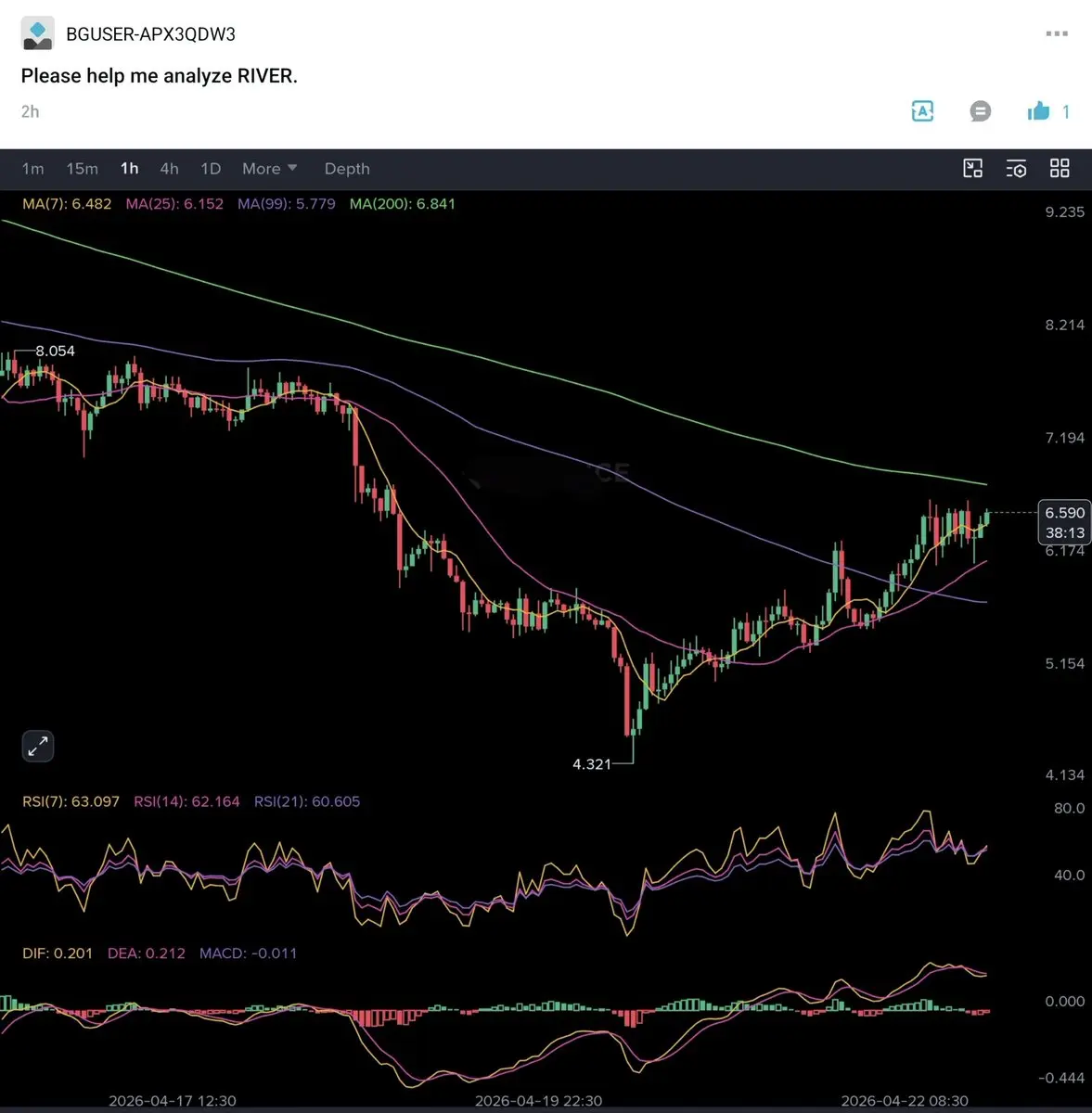
$RIVER is right at that make-or-break zone 👀
Price is currently stuck just below 6.7 – 6.8 resistance, and this is where momentum decides the next move. The structure is improving (higher lows forming), but it still needs confirmation.
If price breaks and holds above 6.8, that’s your trigger for continuation. First push toward 7, and if momentum stays strong, extension toward 8 becomes very realistic. This is where breakout traders start chasing.
But right now… it hasn’t broken yet.
If we see rejection here, price will likely pull back to MA25 around 6.1 zone, which also aligns with a horizontal support at 5.95 – 6.1. This is a healthy retest area — not weakness yet.
However, if this support fails to hold, then structure weakens and price can drop back toward 5.5 or even lower.
Simple view:
Break 6.8 → continuation mode 🚀
Reject → retest 6.1 support
Lose support → deeper pullback
Right now, it’s sitting in decision phase… next move depends on who wins here — buyers or sellers.
repost-content-media
  • Reward
  • Comment
  • Repost
  • Share
Whale: I'll buy first. Market: Don't speak yet.
View Original
CryptoRevolutionMaster
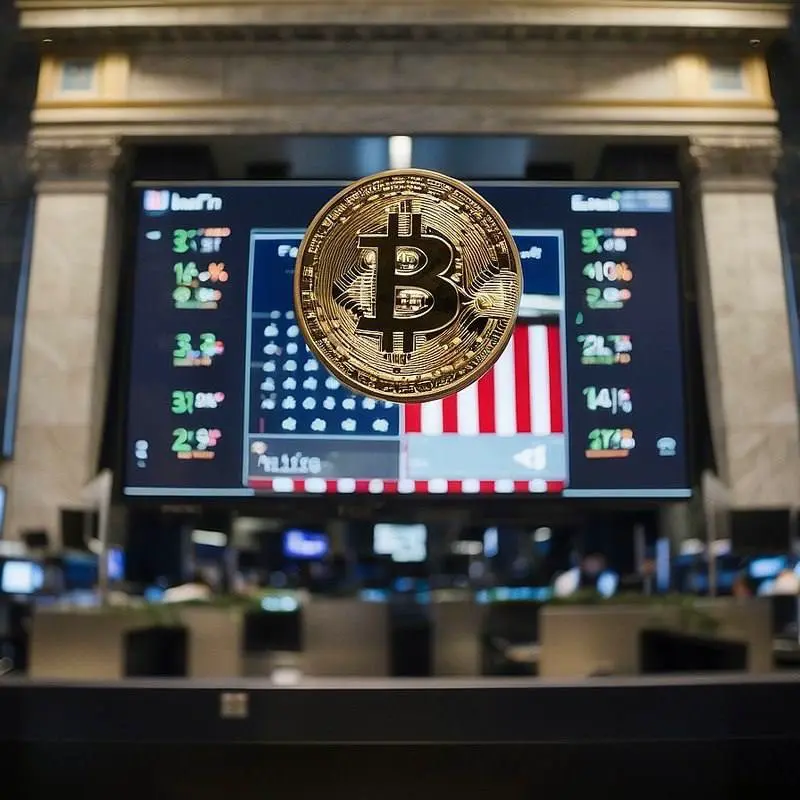
🐳 #BTC Bitcoin whales had their largest weekly accumulation since July 2025 last week, Bloomberg reports.
$BTC
repost-content-media
  • Reward
  • Comment
  • Repost
  • Share
Last night before bed, I took a quick look at the options market, and suddenly I remembered an old question: who is really being eaten by time value? The buyer is actually racing against "time"; your judgment of the right direction is useless, because if you're a bit slow, that tiny bit of time decay will wipe you out. The seller seems to be collecting rent, waiting for time to help, but when a big wave hits, it’s like losing several months’ worth of rent all at once. In other words, they’re holding tail risk in their arms.
What I care more about now is: are you buying "certainty" or "surprise
View Original
  • Reward
  • Comment
  • Repost
  • Share
Just a reminder: DCA is not infinite dollar-cost averaging; position management should not get out of control.
View Original
CryptoSat
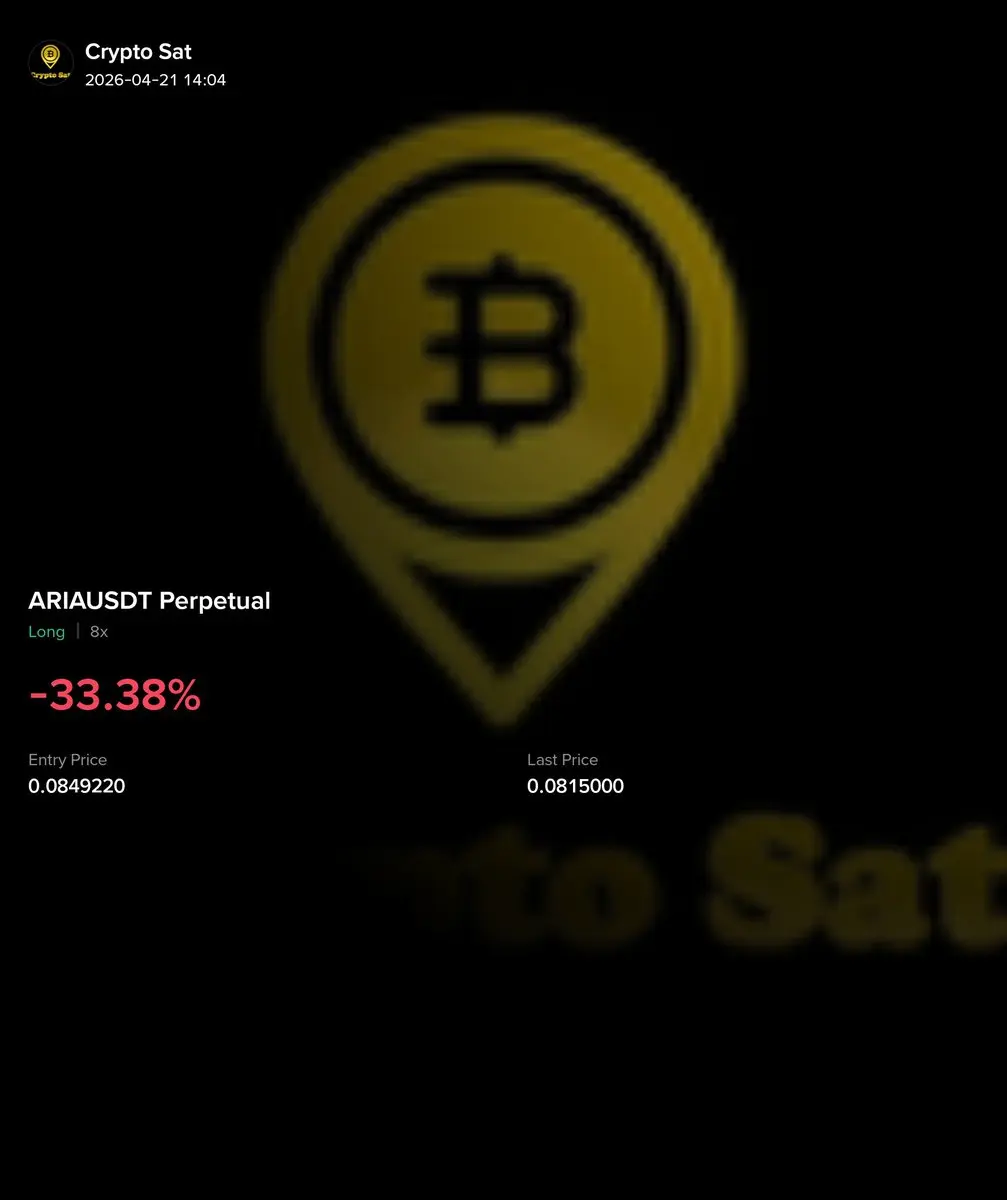
Close $NAORIS and $ARIA at entry... If possible DCA at Stoploss price, then Close it without loss when it reaches ur entry
repost-content-media
  • Reward
  • Comment
  • Repost
  • Share
Lately, I've been more focused on the interest rate line when watching the market: when interest rates go up, money becomes more selective, and as everyone's risk appetite shrinks, the copycat and long-tail liquidity are the first to thin out. When slippage gets large, I hesitate to hold heavy positions; when interest rates go down and sentiment loosens, only then will people be willing to expand their positions. But honestly, the transmission isn't that smooth—there are narratives, regulations, and even on-chain congestion, which act like "experience taxes."
My current approach is pretty simp
View Original
  • Reward
  • Comment
  • Repost
  • Share
The brand and entry advantages are too strong—it's no surprise that PYUSD has reached $41.1 billion.
View Original
CryptoFrontier
PYUSD Reaches $4.1B While RLUSD Drops to $1.25B in Stablecoin Competition
PayPal's PYUSD stablecoin has surged to $4.11 billion, while Ripple's RLUSD has decreased to $1.25 billion after peaking. PYUSD's growth is fueled by its user base and brand confidence, contrasting with RLUSD's recovery efforts. Both coins will depend on adoption rates for future success.
  • Reward
  • Comment
  • Repost
  • Share
One-click leverage + automatic rollover, it feels like turning DeFi lending into a "foolproof strategy."
View Original
Original content no longer visible
  • Reward
  • Comment
  • Repost
  • Share
Recently, people have been fixated on staking unlocks and token unlock calendars, worrying about "selling pressure anxiety," but what I fear more is another, more hidden issue: granting unlimited contract permissions and then forgetting about it. To put it simply, you're not betting on the price; you're leaving the keys to your wallet on someone else's table without asking about the expiration date.
Having unlimited permissions feels great in the moment—one click and you don't need to sign repeatedly—but on the blockchain, it's so rigid: as long as the permission exists, it's effectively alway
View Original
  • Reward
  • Comment
  • Repost
  • Share
Recently, the narrative around modularization and the DA layer has heated up again, with developers' groups buzzing with excitement, while users are mostly confused: How many more layers are there, and will my transfers be faster… I myself was a bit dizzy from the terminology, but I eventually focused on one main thread: Is your transaction data actually being published properly, who is queuing behind you, and when is it considered “really stable.”
In simple terms, there are three things: DA is like “posting homework on the classroom bulletin board,” no one can pretend they didn’t see it; orde
View Original
  • Reward
  • Comment
  • Repost
  • Share
The range is very detailed, suitable for small positions to experiment; set the stop loss at 0.0076, and the risk-reward ratio looks good.
View Original
CryptoManMab
Price just bounced nicely from a strong demand zone.
{future}(HEMIUSDT)
Entry: 0.0079 – 0.0081
Stop Loss: 0.0076
Take Profit 1: 0.0085
Take Profit 2: 0.0090
Take Profit 3: 0.0096
  • Reward
  • Comment
  • Repost
  • Share
Agreed, life doesn't need a uniform taste; respecting differences is enough.
View Original
God-givenTeam
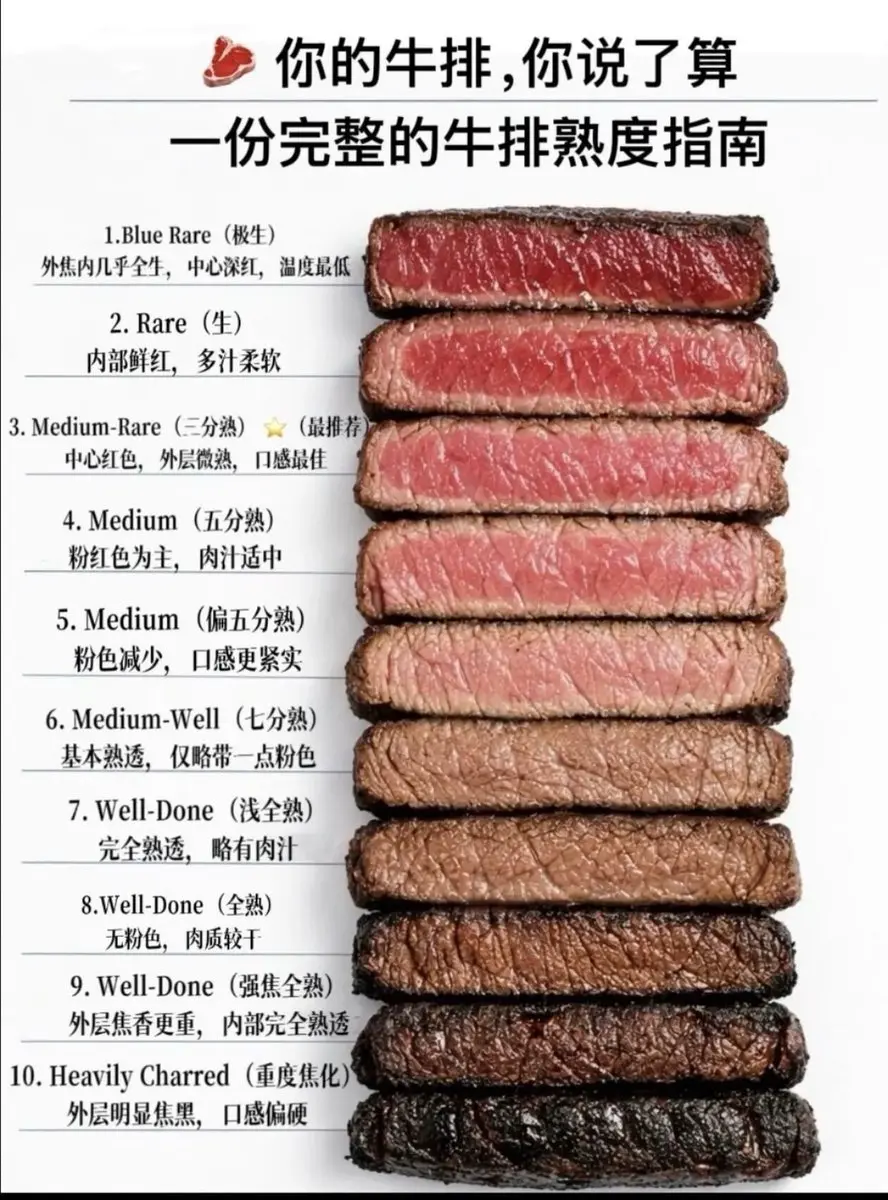
Your steak!! You call the shots!!
repost-content-media
  • Reward
  • Comment
  • Repost
  • Share
The logic behind this weekend's slightly bearish trade is quite clear.
View Original
CryptoSat
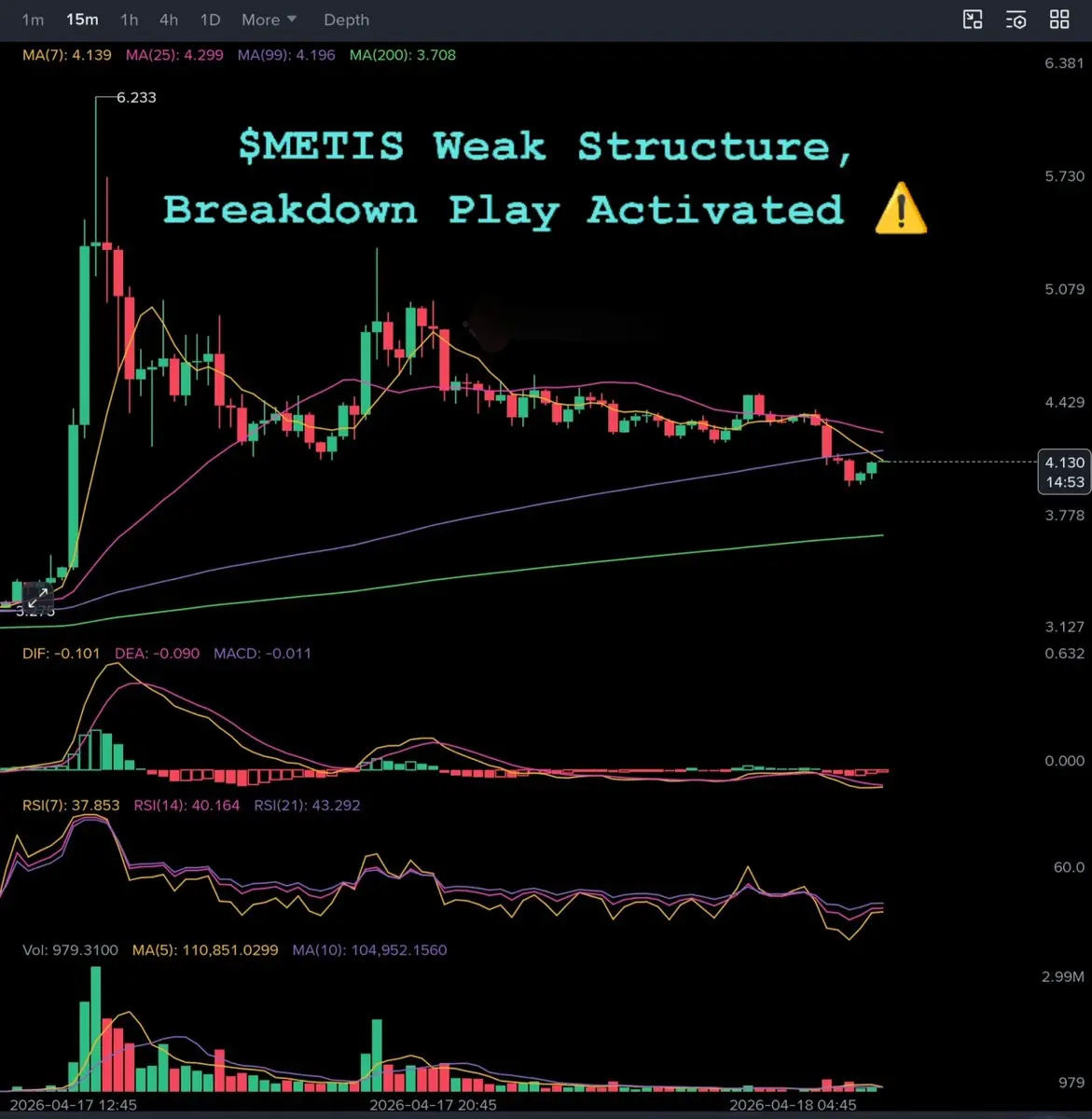
💰 $METIS – Weak Structure, Breakdown Play Activated ⚠️
🔽 SHORT
✳️ ENTRY : 4.18 - 4.259 - 4.350
🎯 TARGETS: 4.07, 3.968, 3.880, 3.720, 3.560, 3.310, 3.00
🀄️ LEVERAGE: 20x
🔴 STOPLOSS: 4.43
Price is clearly trading below MA25 & MA99, showing trend weakness with no real bullish momentum 📉
Every bounce is getting sold into, forming lower highs + weak recovery structure — classic distribution phase 👀
Volume is fading and RSI staying below mid-zone, indicating buyers are not stepping in aggressively
If 4.10 zone fails cleanly, expect quick downside expansion toward 3.5–3.0 range 🚀
#WeekendTradingPlan
repost-content-media
  • Reward
  • Comment
  • Repost
  • Share
Entry price stop loss = free order, leave the rest to the trend.
View Original
CryptoSat
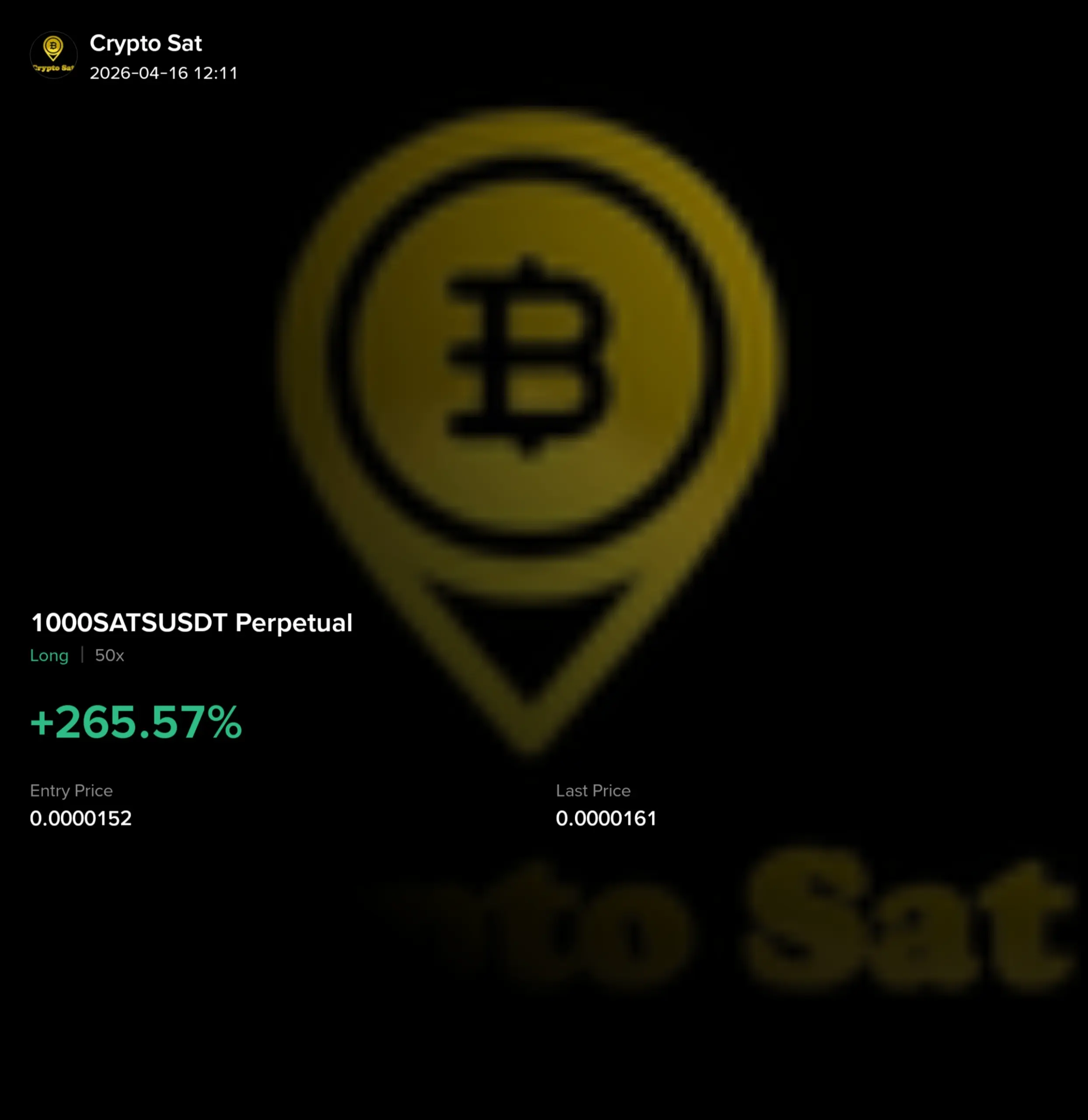
$1000SATS hits 170, as of now 2 Targets completed 🎯
Maintain Stoploss at entry price 👍
repost-content-media
  • Reward
  • Comment
  • Repost
  • Share
Recently, I’ve been watching the markets and focusing on the 10Y and DXY. When interest rates harden, the crypto market immediately weakens.
View Original
BraveBullsAreNotAfra
What is the true impact of the central bank selling U.S. Treasuries on the crypto market?
Let's start with the conclusion: the impact is real, but not direct—it propagates through the chain of "yield → liquidity → risk appetite" into the crypto market.
1. Transmission Path: How does the central bank's sale of U.S. Treasuries affect BTC?
First step: Treasuries are sold → yields rise. When the central bank reduces its holdings of Treasuries, bond prices fall, and yields go up correspondingly. The 10-year U.S. Treasury yield is the "anchor" for global risk pricing; when it rises, the relative attractiveness of all risk assets declines.
Second step: Higher yields → pressure on crypto assets. If yields stubbornly stay high (recent data shows the 10-year yield above 4%), the opportunity cost of holding "zero-yield" assets like BTC increases—your money in Treasuries earns a steady return, so why take risks on buying coins? This directly suppresses BTC valuation logic.
Third step: Dollar appreciation → further pressure on crypto. If, after selling bonds, some central banks switch to holding cash in dollars, it can temporarily boost the dollar index, and historically, a strong dollar often correlates negatively with crypto asset performance.
2. Recent real-world cases confirm this logic—In March 2026, after the Fed adopted a hawkish stance and hinted at slowing rate cuts, BTC dropped 5% in a single day, and the entire crypto market lost over $100 billion in market cap, with over $117 million BTC being sold from OG addresses in one day.
In late March 2026, the 10-year Treasury yield approached a high of 4.5% for the year, and Bitcoin simultaneously fell below $68,000. The movement of these data points was almost synchronized.
3. However, an important counter-narrative deserves attention: not all central bank bond sales are bearish for crypto.
Recent data shows that emerging markets like China and India have indeed been reducing their U.S. debt holdings (China has reduced about $71.5 billion in the past two years), but at the same time: private buyers have stepped in to buy, and foreign holdings have actually increased from $8.77 trillion to $9.25 trillion; gold demand hit record highs, interpreted as "de-dollarization and diversified allocation"; some analyses suggest that this macro anxiety (fiscal risks, geopolitical tensions, expectations of a weaker dollar) could be long-term bullish for BTC’s "hard asset" narrative—since some are starting to see BTC as a tool to hedge against sovereign currency risks.
But it’s important to emphasize: this narrative is currently more "emotional resonance" than quantifiable capital inflow, and empirical data backing it is not yet solid.
4. Key variable: How to interpret rising yields?
There’s a subtlety here—how the market perceives rising yields determines BTC’s direction:
- If rising yields are seen as inflation expectations heating up (real yields low), it’s bullish for BTC, strengthening its inflation hedge narrative.
- If yields are driven by liquidity tightening (real yields high), it’s bearish, as the cost of holding zero-yield assets increases.
Currently, the environment leans more toward the latter, so short-term bond sell-offs pushing yields higher generally create a bearish macro backdrop for crypto.
5. Bottom-line short-term judgment:
If large-scale bond sales push U.S. Treasury yields higher and strengthen the dollar, the crypto market is likely to face short-term pressure, with BTC and high-beta altcoins falling more than gold.
In the medium to long term: if this bond sell-off is interpreted as a signal of "de-dollarization + fiscal unsustainability," it could actually reinforce BTC’s scarcity narrative and attract some long-term capital.
Variable monitoring: Keep an eye on the 10-year real yield (TIPS) and the dollar index DXY, as they are the most direct leading indicators.
Markets are not monolithic; how macro signals are interpreted often matters more than the signals themselves.
This is also what makes the crypto market the most challenging and interesting.
  • Reward
  • Comment
  • Repost
  • Share
  • Pin