Sk099

vip
Age 1.6 Yıl
Market Analyst
Quant Trader
No content yet
Who can resist Gate 13's 10th Anniversary Global Limited Edition Merch? 🔥
#Gate广场四月发帖挑战 Hotly contesting the leaderboard, posting guarantees a 100% winning red envelope, plus collectible-grade gifts waiting for you!
Everyone in the know wants these merch:
🥇 Top 1-3: Gate 13 Anniversary Limited Edition Gift Box (A collectible masterpiece!)
🥈 Top 4-10: Gate × Redbull Co-branded Jacket, wear it and you'll be the most stylish person on the street!
🥉 Top 11-100: T-shirts & high-value experience vouchers, everyone has a chance.
💡 Ranking Boost Tips: Post frequently, post quality content, and e
BTC-0,33%
ETH-0,63%
CryptoChampionvip
Who can resist Gate 13's 10th Anniversary Global Limited Edition Merch? 🔥
#Gate广场四月发帖挑战 Hotly contesting the leaderboard, posting guarantees a 100% winning red envelope, plus collectible-grade gifts waiting for you!
Everyone in the know wants these merch:
🥇 Top 1-3: Gate 13 Anniversary Limited Edition Gift Box (A collectible masterpiece!)
🥈 Top 4-10: Gate × Redbull Co-branded Jacket, wear it and you'll be the most stylish person on the street!
🥉 Top 11-100: T-shirts & high-value experience vouchers, everyone has a chance.
💡 Ranking Boost Tips: Post frequently, post quality content, and engage more! The more hardcore your opinions, the higher your rank.
👉 https://www.gate.com/post
Details: https://www.gate.com/announcements/article/50520
#BTC #ETH #GT
repost-content-media
  • Reward
  • Comment
  • Repost
  • Share
#DriftProtocolHacked
DriftProtocolHacked
Drift Protocol Hacked: A Harsh Reminder That In Web3, Risk Evolves
The recent hack of Drift Protocol underscores a fundamental reality of the Web3 ecosystem: innovation moves fast, but risk moves just as fast—sometimes even faster. Far from being isolated incidents, events like this highlight a recurring pattern in decentralized finance, exposing structural vulnerabilities that grow as protocols become increasingly complex.
Modern DeFi platforms offer advanced financial products, high leverage, and deep liquidity. However, every added feature expands
BTC-0,33%
ExpertTradervip
#DriftProtocolHacked
DriftProtocolHacked
Drift Protocol Hacked: A Harsh Reminder That In Web3, Risk Evolves
The recent hack of Drift Protocol underscores a fundamental reality of the Web3 ecosystem: innovation moves fast, but risk moves just as fast—sometimes even faster. Far from being isolated incidents, events like this highlight a recurring pattern in decentralized finance, exposing structural vulnerabilities that grow as protocols become increasingly complex.
Modern DeFi platforms offer advanced financial products, high leverage, and deep liquidity. However, every added feature expands the attack surface. Each smart contract, integration, and permission granted introduces a potential entry point for exploitation. Users often assume that widespread adoption or popularity equates to safety, but history repeatedly demonstrates that even the most reputable platforms are not immune.
Many exploits are not simple coding errors; they involve economic design flaws, oracle manipulation, or unforeseen interactions between system components. Audits and reputation, while valuable, are not guarantees of security. The complexity of DeFi means that vulnerabilities can exist in ways that are difficult to predict, even for experienced developers and security auditors.
Market reactions to hacks are often immediate and severe. Price declines, liquidity withdrawals, and abrupt shifts in sentiment are common, but the deeper impact lies in trust. Every exploit forces users to question the security of the platforms they interact with. Hesitation and skepticism can slow ecosystem participation, stifle adoption, and reduce capital flows even beyond the affected protocol.
From a strategic perspective, this is where the real damage occurs—not merely in lost funds, but in reduced confidence. Trust is a critical currency in Web3, and every breach chips away at it. Users must recognize that risk is inherent, persistent, and evolving alongside technological innovation.
At the same time, it is important to maintain a balanced perspective. While hacks expose weaknesses, they also drive progress. Each incident motivates developers to improve security practices, strengthen protocol design, and rethink risk management strategies. These painful lessons, repeated over time, contribute to a more resilient and sophisticated ecosystem.
For traders and users, the key takeaway is that engagement with DeFi requires intelligence and discipline. Risk management is not optional; it is essential. Diversifying across platforms, avoiding overexposure to a single protocol, and understanding the operational mechanics of the systems you use are critical strategies for survival.
Permission management is another crucial element. Users must regularly review wallet approvals, limit access to essential functions, and recognize that high returns are almost always paired with high risk. Awareness and proactive behavior separate informed participants from reactive ones in this rapidly evolving environment.
The hack also demonstrates the importance of monitoring systemic risks. Complex interdependencies between protocols can amplify the consequences of a single exploit, creating cascading effects across the ecosystem. Participants must understand these connections and plan accordingly, avoiding scenarios where failure in one protocol could endanger their broader portfolio.
In addition to defensive strategies, these incidents present opportunities for growth. They accelerate innovation in security tooling, formal verification, insurance products, and decentralized risk assessment mechanisms. Over time, the ecosystem becomes more robust, as lessons from each event inform smarter design and safer deployment.
Institutional players observing DeFi learn similar lessons. While hacks are negative news, they also clarify the importance of rigorous auditing, collateral management, and compliance protocols. As professional capital enters Web3, these insights will likely accelerate the maturation of the industry.
From the perspective of individual users, the hack reinforces the need for continuous education. Staying informed about protocol updates, audit reports, and security advisories is crucial for making informed decisions. Blind trust or reliance on past performance can be dangerously misleading.
Psychologically, the Drift Protocol incident also illustrates the cyclical nature of risk in Web3. Losses and hacks are painful, but they catalyze a shift in behavior—both for developers and participants. Those who learn and adapt are more likely to thrive over the long term, while those who act purely out of fear may exit prematurely.
This event emphasizes the evolving landscape of DeFi. As platforms integrate more complex financial instruments, including derivatives, leveraged positions, and algorithmic pools, attack vectors become more sophisticated. Users must recognize that risk is a permanent feature, not a temporary anomaly.
Importantly, these events do not signal the end of DeFi innovation. Instead, they mark critical inflection points where the ecosystem tests its resilience. Protocols that survive scrutiny and adapt effectively emerge stronger, creating benchmarks for security and governance that benefit the broader market.
For developers, the Drift hack reinforces the necessity of holistic security thinking. Smart contract correctness, economic modeling, oracle integrity, and cross-protocol interactions must all be considered in tandem. Isolated audits are insufficient if system-wide risk is not addressed.
For investors, the lesson is similar: volatility, exploits, and hacks are part of the operating environment. Effective risk management, careful exposure, and long-term strategic planning are more important than short-term gains. Patience and vigilance become critical assets.
Ultimately, the Drift Protocol hack is a reminder that Web3 is not a zero-risk environment. Risk is inherent, evolving, and multifaceted. The real question is not whether risks exist—they always will—but whether participants are prepared to navigate them with discipline, knowledge, and a long-term perspective.
This incident, while negative in the short term, contributes to the maturation of DeFi. By exposing vulnerabilities and prompting better practices, the ecosystem gradually becomes stronger, safer, and more capable of supporting complex financial activities at scale.
The long-term view is clear: DeFi will continue to grow, innovate, and attract participants, but only those who understand and manage evolving risk will thrive. The Drift Protocol hack is part of a larger cycle of exposure, adaptation, and resilience—an essential process for the sustainable development of Web3.
#GateSquareAprilPostingChallenge
#CreatorLeaderboard
repost-content-media
  • Reward
  • Comment
  • Repost
  • Share
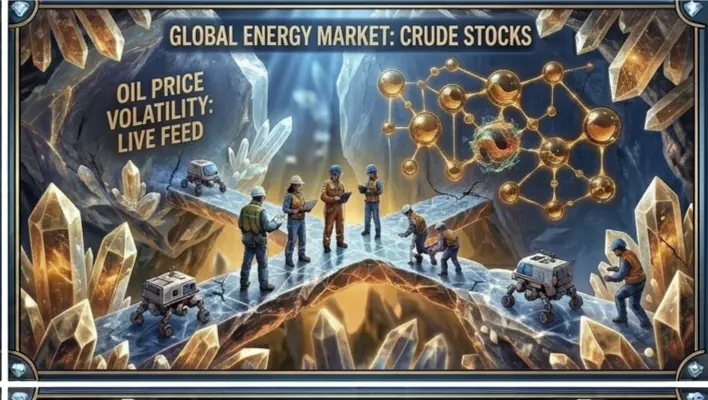
#OilPricesRise
The core driver: the Iran war
Everything comes back to one factor. The ongoing U.S.-Israeli military conflict with Iran, now approaching six weeks, has severely disrupted the flow of crude through the Strait of Hormuz, one of the world's most critical oil shipping chokepoints. President Trump escalated rhetoric this week, stating publicly that attacks on Iran would be intensified over the next two to three weeks, sending markets into a sharp repricing.
Where prices stand right nowotential relief on the horizon
There was one note of cautious optimism Friday. Reports emerged that
Yusfirahvip
#OilPricesRise
The core driver: the Iran war
Everything comes back to one factor. The ongoing U.S.-Israeli military conflict with Iran, now approaching six weeks, has severely disrupted the flow of crude through the Strait of Hormuz, one of the world's most critical oil shipping chokepoints. President Trump escalated rhetoric this week, stating publicly that attacks on Iran would be intensified over the next two to three weeks, sending markets into a sharp repricing.
Where prices stand right nowotential relief on the horizon
There was one note of cautious optimism Friday. Reports emerged that Iran and Oman are drafting a protocol to "monitor transit" through the Strait of Hormuz, raising early hopes that the waterway could be partially reopened. This is being watched closely, but oil prices continued rising regardless, as the market is not treating it as a confirmed resolution yet.
Broader market impact
The shock is rippling outward across multiple sectors and asset classes.
U.S. stocks saw volatile trading. The Dow Jones closed down 61 points Thursday, with major indexes ending near flat despite heavy intraday swings. Equity investors are trying to weigh energy sector gains against a broader drag on consumption-heavy businesses.
U.S. 10-year Treasury yields dipped to around 4.29%, reflecting a defensive tilt among bond investors even as oil-driven inflation fears grow. The Federal Reserve's path is now under pressure. With crude at these levels, March CPI data and the April 28 to 29 FOMC meeting become significantly more important. Analysts note that rate cuts, which were already fragile, could remain on hold for much of 2026 if energy inflation embeds itself in broader price data.
At the pump in the U.S., Midwest retail gasoline prices rose to a regional average of $3.71 per gallon, up from $3.68 the prior week, with petroleum analyst Patrick De Haan noting that markets are pricing in risk and volatility, not a permanent shutdown, and that prices could retreat quickly if tensions ease.
What to watch next
Trump's stated pause on attacking Iran's energy infrastructure was set to hold only until April 6. Markets are treating that date as a near-term risk event. Any further escalation involving Iranian oil wells or Kharg Island, the country's main crude export terminal, could push prices toward or beyond the 2008 all-time high. Conversely, a credible diplomatic breakthrough involving the Hormuz corridor would likely trigger a sharp pullback. The next 48 to 72 hours carry unusually high directional risk in the energy complex.
repost-content-media
  • Reward
  • Comment
  • Repost
  • Share
#AreYouBullishOrBearishToday?
AreYouBullishOrBearishToday in the cryptocurrency market as of early April 2026 the sentiment continues to sit in a delicate balance between caution and quiet anticipation with price action reflecting a market that is neither in full recovery nor in complete decline but rather navigating a transitional phase following a turbulent first quarter Bitcoin continues to hover in a consolidation band around the mid sixty thousand range while Ethereum stabilizes just above the two thousand level both showing resilience at support zones but lacking strong momentum to brea
EagleEyevip
#AreYouBullishOrBearishToday?
AreYouBullishOrBearishToday in the cryptocurrency market as of early April 2026 the sentiment continues to sit in a delicate balance between caution and quiet anticipation with price action reflecting a market that is neither in full recovery nor in complete decline but rather navigating a transitional phase following a turbulent first quarter Bitcoin continues to hover in a consolidation band around the mid sixty thousand range while Ethereum stabilizes just above the two thousand level both showing resilience at support zones but lacking strong momentum to break decisively higher this sideways movement combined with historically low sentiment readings suggests a market that may be closer to exhaustion on the downside than the beginning of a new bearish leg yet confirmation remains absent which keeps short term positioning defensive rather than aggressive
The broader macroeconomic backdrop still plays a dominant role in shaping crypto direction with global financial conditions remaining uncertain central bank signaling continues to influence liquidity expectations while geopolitical tensions especially those impacting energy markets add layers of unpredictability to investor behavior risk assets in general have shown sensitivity to these developments and crypto being one of the most reactive asset classes naturally reflects this volatility trading volumes have remained moderate indicating that retail enthusiasm has not yet returned in full force while institutional flows appear selective rather than broadly bullish this combination reinforces the idea that the market is currently in a digestion phase rather than a clear trend environment
One of the most notable indicators in the current landscape is the persistent extreme fear reflected across sentiment metrics which have remained suppressed for an extended period unlike short lived spikes of panic these prolonged low readings often indicate deeper market fatigue where weaker hands have largely exited positions historically such environments tend to precede recovery phases not because conditions suddenly improve but because selling pressure gradually diminishes and even modest demand can shift price direction however timing such transitions remains challenging as markets can stay irrational or stagnant longer than expected making patience and discipline essential traits in this phase
Seasonality adds an interesting dimension to the current outlook as April has historically been one of the stronger months for Bitcoin performance with a relatively high probability of positive returns this pattern is often attributed to capital rotation dynamics following the first quarter as well as renewed positioning at the start of a new financial period while historical trends never guarantee future outcomes they do provide context that aligns with the idea of cautious optimism especially when combined with oversold sentiment conditions and stabilized price ranges this creates a scenario where downside risk may be gradually decreasing while upside potential begins to build albeit slowly and unevenly
In Pakistan the evolving regulatory environment introduces an additional layer of significance to the current market phase with the passage of the Virtual Assets Act 2026 and the establishment of a formal regulatory authority the ecosystem is transitioning from uncertainty to structured oversight this shift has important implications for both retail participants and institutional players as it provides a clearer legal framework for engaging with digital assets while also introducing stricter compliance requirements the move toward licensing supervision and enforcement aligns the local market with international standards particularly in areas such as anti money laundering and transaction monitoring which enhances legitimacy but also demands greater diligence from users
For individuals navigating this environment the importance of disciplined operational practices cannot be overstated especially when it comes to depositing and withdrawing funds as banking systems continue to apply risk controls that may flag crypto related activity even under a regulated framework adopting a structured approach that includes starting with smaller transactions maintaining consistent behavior patterns and ensuring full documentation of all activities helps establish credibility and reduces the likelihood of disruptions separating crypto related finances from everyday banking usage further strengthens this position by minimizing cross exposure in the event of any scrutiny
Depositing funds into crypto platforms during this period requires a careful balance between opportunity and risk while the market may present attractive entry points the operational side must be handled with equal attention selecting compliant and well established platforms completing verification processes thoroughly and avoiding sudden large volume transfers without prior history are all key steps that contribute to smoother experiences peer to peer methods while useful should be approached with heightened caution ensuring that counterparties have strong reputations and verifiable track records to avoid complications that may arise from interacting with questionable sources
Withdrawals carry their own set of considerations particularly in a climate where both exchanges and banks are increasingly attentive to transaction patterns using name matched accounts implementing withdrawal whitelisting and spreading transactions over time rather than executing large single transfers can significantly reduce friction maintaining detailed records including transaction histories confirmations and the rationale behind fund movements provides a solid foundation in case of any inquiries and allows users to respond confidently and effectively should verification be required
The psychological aspect of market participation is also highly relevant in the current phase with extended periods of fear often leading to emotional fatigue that can influence decision making negatively staying grounded in a structured strategy rather than reacting impulsively to short term price movements is critical especially when the market lacks clear directional signals focusing on risk management position sizing and long term objectives helps maintain stability and prevents unnecessary exposure during uncertain conditions this approach does not eliminate risk but it ensures that risk is controlled and aligned with individual tolerance levels
From a technical perspective key levels continue to define the short term outlook with Bitcoin needing to hold above its established support zone to maintain the current consolidation structure while a break above resistance could signal the beginning of a recovery phase Ethereum similarly requires sustained strength above its current range to build momentum and attract renewed interest from participants altcoins remain more sensitive to shifts in Bitcoin dominance which has stayed relatively elevated limiting broader market expansion and reinforcing the importance of selective positioning rather than broad exposure
Looking ahead the intersection of regulatory clarity improving structural maturity and historically supportive seasonal trends creates a foundation that leans toward cautious optimism rather than outright bearishness however this optimism is conditional and dependent on confirmation through price action and macro developments rather than assumption the market has not yet provided definitive signals of a trend reversal but it has shown signs of stabilization that suggest the worst of the recent downside may be behind if supportive conditions continue to develop
In conclusion the answer to AreYouBullishOrBearishToday is not a binary one but rather a nuanced perspective that acknowledges both the risks and the emerging opportunities short term conditions justify a measured and cautious stance while medium to longer term factors support a gradually constructive outlook participants who combine market awareness with disciplined execution and compliance oriented practices are better positioned to navigate this phase effectively transforming uncertainty into a structured environment for potential growth rather than a source of avoidable risk this balanced approach ultimately defines resilience in the evolving landscape of cryptocurrency where success is determined not only by market direction but by the ability to adapt responsibly and consistently over time
repost-content-media
  • Reward
  • Comment
  • Repost
  • Share
#AreYouBullishOrBearishToday?
AreYouBullishOrBearishToday? — Market Crossroads, Smart Money Signals, and My Real Outlook
Right now the market feels like it’s standing at a crossroads where emotion and logic are fighting for control, and that’s exactly where most traders get trapped. On the surface, price action is showing hesitation — weak bounces, rejection near resistance, and a lack of strong momentum follow-through. This creates a short-term environment that leans slightly bearish because sellers are still active and confidence is fragile. Liquidity hunts, fake breakouts, and sudden volat
EagleEyevip
#AreYouBullishOrBearishToday?
AreYouBullishOrBearishToday? — Market Crossroads, Smart Money Signals, and My Real Outlook
Right now the market feels like it’s standing at a crossroads where emotion and logic are fighting for control, and that’s exactly where most traders get trapped. On the surface, price action is showing hesitation — weak bounces, rejection near resistance, and a lack of strong momentum follow-through. This creates a short-term environment that leans slightly bearish because sellers are still active and confidence is fragile. Liquidity hunts, fake breakouts, and sudden volatility spikes are becoming more frequent, which usually signals uncertainty rather than strength. In my view, this phase is not about aggressive bullish positioning but about patience and observation. Many traders make the mistake of forcing trades when the market is unclear, and that’s where losses begin to stack up. A choppy market punishes impatience. When I look at the structure deeply, I see that price is not collapsing aggressively, but it is also not showing enough strength to confirm a clean bullish continuation. This tells me that we are in a transition phase, where the market is deciding its next major direction. Until strong volume supports upward movement and key resistance levels are broken with conviction, I remain cautious in the short term. Being slightly bearish here doesn’t mean expecting a crash — it simply means respecting the current weakness and not overcommitting to bullish bias too early.
At the same time, when I zoom out and look beyond the noise, the bigger picture tells a very different story — one that leans toward long-term bullish potential. This is where understanding market psychology becomes powerful. While retail traders panic during uncertainty, experienced participants quietly accumulate. Smart money doesn’t chase hype; it builds positions when sentiment is weak. This is exactly what I believe is happening right now. Despite short-term fear, the foundation of the market is still intact. Adoption is growing, institutional interest is slowly returning, and the overall structure of higher timeframes has not been invalidated. From my perspective, this is a classic phase where the market is shaking out weak hands before the next expansion. I’ve seen this pattern repeat many times — periods of doubt followed by strong moves that catch most people off guard. That’s why I don’t fully shift to a bearish mindset even when the market looks weak. Instead, I separate my approach: cautious in the short term, optimistic in the long term. This balance allows me to stay protected while still being ready for opportunity. The key insight here is that markets don’t move in straight lines — they breathe, they correct, and they reset before continuing. Those who understand this rhythm are the ones who survive and grow.
So where do I stand today? My honest stance is this: short-term slightly bearish, long-term confidently bullish. But more importantly, I believe this is a moment for discipline rather than prediction. Instead of trying to guess the exact next move, the smarter approach is to prepare for both scenarios. Manage risk, avoid overleveraging, and stay emotionally neutral. One of the biggest benefits of understanding whether the market is bullish or bearish is not just making profit — it’s about controlling your decisions. When you have a clear perspective, you avoid panic selling at the bottom and avoid chasing at the top. Personally, I focus on consistency over excitement. If the market drops, I look for structured buying opportunities. If it rises, I let confirmation guide my entries instead of emotions. This mindset has helped me avoid many unnecessary losses. In the end, the market rewards those who stay patient, adaptable, and informed. Today may feel uncertain, but uncertainty is where the best opportunities are born. The real edge is not in being perfectly right — it’s in being prepared, protected, and ready to act when clarity finally arrives.
repost-content-media
  • Reward
  • Comment
  • Repost
  • Share
#AreYouBullishOrBearishToday?
AreYouBullishOrBearishToday? — Market Crossroads, Smart Money Signals, and My Real Outlook
Right now the market feels like it’s standing at a crossroads where emotion and logic are fighting for control, and that’s exactly where most traders get trapped. On the surface, price action is showing hesitation — weak bounces, rejection near resistance, and a lack of strong momentum follow-through. This creates a short-term environment that leans slightly bearish because sellers are still active and confidence is fragile. Liquidity hunts, fake breakouts, and sudden volat
SIREN26,62%
EagleEyevip
#AreYouBullishOrBearishToday?
AreYouBullishOrBearishToday? — Market Crossroads, Smart Money Signals, and My Real Outlook
Right now the market feels like it’s standing at a crossroads where emotion and logic are fighting for control, and that’s exactly where most traders get trapped. On the surface, price action is showing hesitation — weak bounces, rejection near resistance, and a lack of strong momentum follow-through. This creates a short-term environment that leans slightly bearish because sellers are still active and confidence is fragile. Liquidity hunts, fake breakouts, and sudden volatility spikes are becoming more frequent, which usually signals uncertainty rather than strength. In my view, this phase is not about aggressive bullish positioning but about patience and observation. Many traders make the mistake of forcing trades when the market is unclear, and that’s where losses begin to stack up. A choppy market punishes impatience. When I look at the structure deeply, I see that price is not collapsing aggressively, but it is also not showing enough strength to confirm a clean bullish continuation. This tells me that we are in a transition phase, where the market is deciding its next major direction. Until strong volume supports upward movement and key resistance levels are broken with conviction, I remain cautious in the short term. Being slightly bearish here doesn’t mean expecting a crash — it simply means respecting the current weakness and not overcommitting to bullish bias too early.
At the same time, when I zoom out and look beyond the noise, the bigger picture tells a very different story — one that leans toward long-term bullish potential. This is where understanding market psychology becomes powerful. While retail traders panic during uncertainty, experienced participants quietly accumulate. Smart money doesn’t chase hype; it builds positions when sentiment is weak. This is exactly what I believe is happening right now. Despite short-term fear, the foundation of the market is still intact. Adoption is growing, institutional interest is slowly returning, and the overall structure of higher timeframes has not been invalidated. From my perspective, this is a classic phase where the market is shaking out weak hands before the next expansion. I’ve seen this pattern repeat many times — periods of doubt followed by strong moves that catch most people off guard. That’s why I don’t fully shift to a bearish mindset even when the market looks weak. Instead, I separate my approach: cautious in the short term, optimistic in the long term. This balance allows me to stay protected while still being ready for opportunity. The key insight here is that markets don’t move in straight lines — they breathe, they correct, and they reset before continuing. Those who understand this rhythm are the ones who survive and grow.
So where do I stand today? My honest stance is this: short-term slightly bearish, long-term confidently bullish. But more importantly, I believe this is a moment for discipline rather than prediction. Instead of trying to guess the exact next move, the smarter approach is to prepare for both scenarios. Manage risk, avoid overleveraging, and stay emotionally neutral. One of the biggest benefits of understanding whether the market is bullish or bearish is not just making profit — it’s about controlling your decisions. When you have a clear perspective, you avoid panic selling at the bottom and avoid chasing at the top. Personally, I focus on consistency over excitement. If the market drops, I look for structured buying opportunities. If it rises, I let confirmation guide my entries instead of emotions. This mindset has helped me avoid many unnecessary losses. In the end, the market rewards those who stay patient, adaptable, and informed. Today may feel uncertain, but uncertainty is where the best opportunities are born. The real edge is not in being perfectly right — it’s in being prepared, protected, and ready to act when clarity finally arrives.
repost-content-media
  • Reward
  • Comment
  • Repost
  • Share
#OIL #BRENT 4h chart
Printed a perfect Symmetrical Triangle. Breakout is coming 📈
A ground operation in Iran seems inevitable
#GateSquareAprilPostingChallenge $BTC
BTC-0,33%
TheBuzzingBeevip
#OIL #BRENT 4h chart
Printed a perfect Symmetrical Triangle. Breakout is coming 📈
A ground operation in Iran seems inevitable
#GateSquareAprilPostingChallenge
repost-content-media
  • Reward
  • Comment
  • Repost
  • Share
Global oil prices moved higher this week as tightening supply and resilient demand supported bullish momentum in energy markets. Brent Crude and West Texas Intermediate both recorded gains following reports of lower crude inventories and ongoing production discipline from OPEC and its allies.
Market analysts point to improving industrial activity in Asia and steady fuel consumption in the United States as key drivers behind the rally. At the same time, geopolitical tensions in major oil-producing regions have increased risk premiums, adding upward pressure to prices.
However, traders remain ca
BTC-0,33%
GateUser-3da2f842vip
Global oil prices moved higher this week as tightening supply and resilient demand supported bullish momentum in energy markets. Brent Crude and West Texas Intermediate both recorded gains following reports of lower crude inventories and ongoing production discipline from OPEC and its allies.
Market analysts point to improving industrial activity in Asia and steady fuel consumption in the United States as key drivers behind the rally. At the same time, geopolitical tensions in major oil-producing regions have increased risk premiums, adding upward pressure to prices.
However, traders remain cautious ahead of upcoming economic data releases and central bank policy decisions, which could influence global demand expectations. If supply constraints persist while demand remains firm, oil prices may continue testing higher resistance levels in the coming weeks.#GateSquareAprilPostingChallenge
repost-content-media
  • Reward
  • Comment
  • Repost
  • Share
#OilPricesRise 🛢️ | The Silent Force Driving Global Markets
Oil prices are rising again—and while it may look like just another headline, this move is quietly reshaping the entire financial landscape 🌍. Energy is not just a commodity; it’s the backbone of global economies, and when oil moves, everything else feels it.
This surge isn’t happening in isolation. It’s being driven by a mix of geopolitical tensions, supply constraints, and resilient demand. Whether it’s production cuts, regional conflicts, or strategic positioning by major oil producers, the result is the same—tight supply meets s
BTC-0,33%
CryptoDiscoveryvip
#OilPricesRise 🛢️ | The Silent Force Driving Global Markets
Oil prices are rising again—and while it may look like just another headline, this move is quietly reshaping the entire financial landscape 🌍. Energy is not just a commodity; it’s the backbone of global economies, and when oil moves, everything else feels it.
This surge isn’t happening in isolation. It’s being driven by a mix of geopolitical tensions, supply constraints, and resilient demand. Whether it’s production cuts, regional conflicts, or strategic positioning by major oil producers, the result is the same—tight supply meets steady demand, pushing prices higher ⚠️.
But the real impact goes beyond oil itself. Rising oil prices feed directly into inflation, increasing transportation costs, manufacturing expenses, and overall living costs. This creates pressure on central banks, making it harder for them to cut interest rates anytime soon 💡.
And that’s where things get interesting for crypto and financial markets. Higher oil prices → higher inflation → tighter monetary policy → reduced liquidity. This chain reaction often creates headwinds for risk assets like Bitcoin and altcoins 📉.
At the same time, energy markets can influence investor psychology. When oil spikes, uncertainty increases, and capital tends to move more cautiously. This shift in sentiment can amplify volatility across global markets, including crypto ⚡.
However, there’s another side to the story. Rising oil prices can also signal strong global demand, which suggests that the economy isn’t collapsing. This creates a mixed environment—one where growth exists, but so do inflation risks 🧠.
For traders and investors, this is where strategy matters. It’s not about reacting to oil prices alone, but understanding how they connect to inflation, interest rates, and liquidity flows 🎯.
What we’re seeing right now is not just an oil rally—it’s a macro signal. A signal that inflation pressures may persist, that central banks may stay cautious, and that markets could remain volatile in the near term 🌐.
The bottom line: oil isn’t just rising—it’s influencing decisions across the entire financial system. And in today’s market, understanding oil means understanding the direction of everything else 🚀#OilPricesRise #CreatorLeaderboard #TetherEyes$500BFundraising
repost-content-media
  • Reward
  • Comment
  • Repost
  • Share
#GateSquareAprilPostingChallenge
Navigating Global Markets with Gate.io
Gate.io stands as one of the world's leading cryptocurrency exchanges, offering a robust ecosystem for both novice and veteran traders. Founded on the principles of security and transparency, the platform provides access to an extensive array of digital assets, often listing innovative projects long before they hit mainstream competitors.
Trading on Gate.io is a seamless experience, thanks to its high-liquidity engine and sophisticated interface. Users can engage in Spot trading, dive into Futures with leverage, or explor
GateUser-d2c41d21vip
#GateSquareAprilPostingChallenge
Navigating Global Markets with Gate.io
Gate.io stands as one of the world's leading cryptocurrency exchanges, offering a robust ecosystem for both novice and veteran traders. Founded on the principles of security and transparency, the platform provides access to an extensive array of digital assets, often listing innovative projects long before they hit mainstream competitors.
Trading on Gate.io is a seamless experience, thanks to its high-liquidity engine and sophisticated interface. Users can engage in Spot trading, dive into Futures with leverage, or explore passive income through Liquidity Mining. The platform’s comprehensive security measures, including multi-signature wallets and real-time monitoring, ensure that your investments remain protected. Whether you are analyzing complex charts using integrated technical tools or utilizing the user-friendly mobile app, Gate.io empowers you to trade with confidence and precision in the fast-paced crypto market.
repost-content-media
  • Reward
  • Comment
  • Repost
  • Share
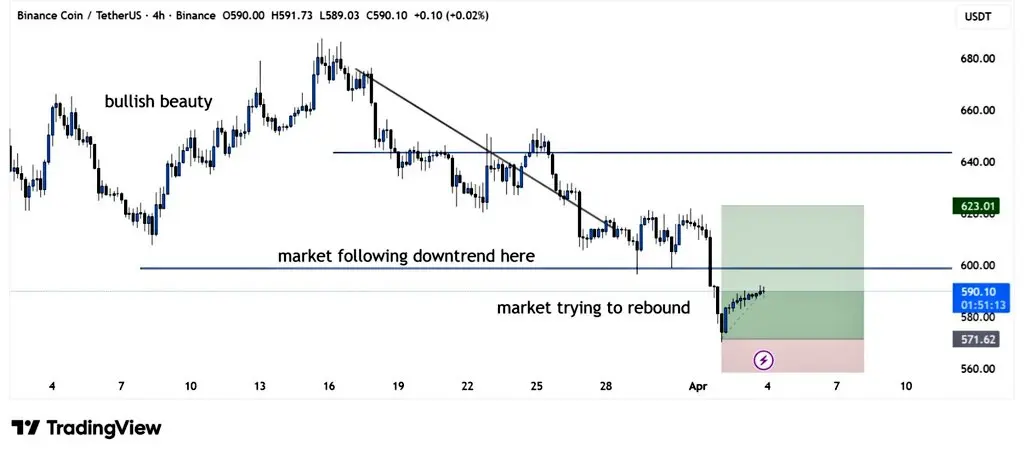
$BNB is trying to bounce from $570 support, but trend is still bearish.
Reclaim of $600 can push it toward $620+, otherwise downside risk remains.#GateSquareAprilPostingChallenge $BTC
BTC-0,33%
Bit_ardizorvip
$BNB is trying to bounce from $570 support, but trend is still bearish.
Reclaim of $600 can push it toward $620+, otherwise downside risk remains.#GateSquareAprilPostingChallenge
repost-content-media
  • Reward
  • Comment
  • Repost
  • Share
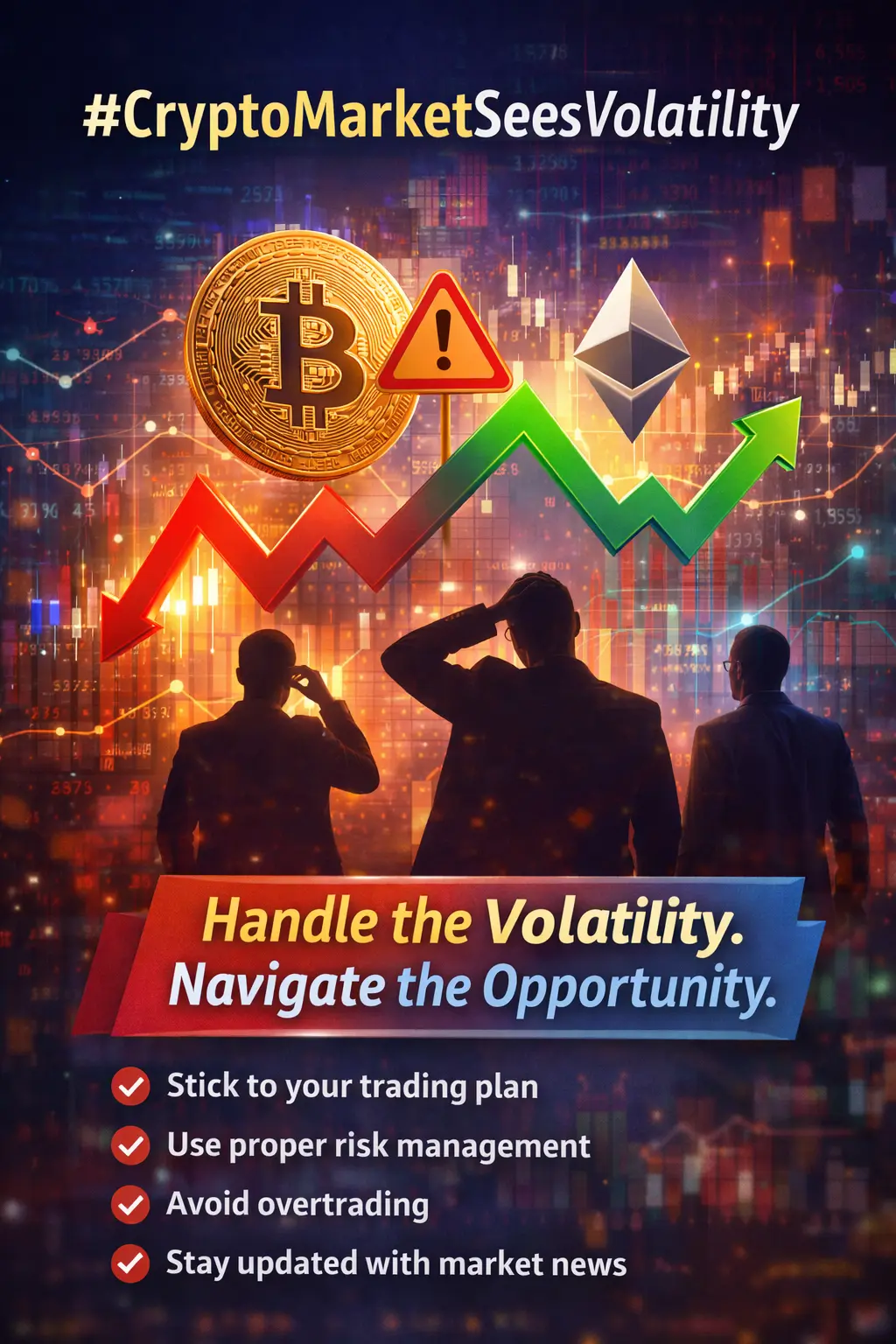
📉📊 #CryptoMarketSeesVolatility
The crypto market is once again navigating a wave of volatility, reminding investors that uncertainty is part of the journey. Rapid price swings, shifting sentiment, and macroeconomic influences are creating both challenges and opportunities across the market.
While short-term movements may seem unpredictable, experienced traders understand that volatility often brings the best setups. It’s a time to stay calm, avoid emotional decisions, and focus on strategy rather than noise.
Market fluctuations can be driven by multiple factors—economic data releases, regula
BTC-0,33%
Crypto_Teachervip
📉📊 #CryptoMarketSeesVolatility
The crypto market is once again navigating a wave of volatility, reminding investors that uncertainty is part of the journey. Rapid price swings, shifting sentiment, and macroeconomic influences are creating both challenges and opportunities across the market.
While short-term movements may seem unpredictable, experienced traders understand that volatility often brings the best setups. It’s a time to stay calm, avoid emotional decisions, and focus on strategy rather than noise.
Market fluctuations can be driven by multiple factors—economic data releases, regulatory developments, and large institutional movements. In such conditions, risk management becomes more important than ever. Protecting capital should always come before chasing profits.
📌 Smart approach during volatility:
• Stick to your trading plan
• Use proper risk management
• Avoid overtrading
• Stay updated with market news
Remember, volatility is not just risk—it’s opportunity in disguise for those who are prepared.
Stay disciplined. Stay patient. Let the market come to you.
#CryptoMarket
#Volatility
#CryptoTrading
#MarketAnalysis
repost-content-media
  • Reward
  • Comment
  • Repost
  • Share
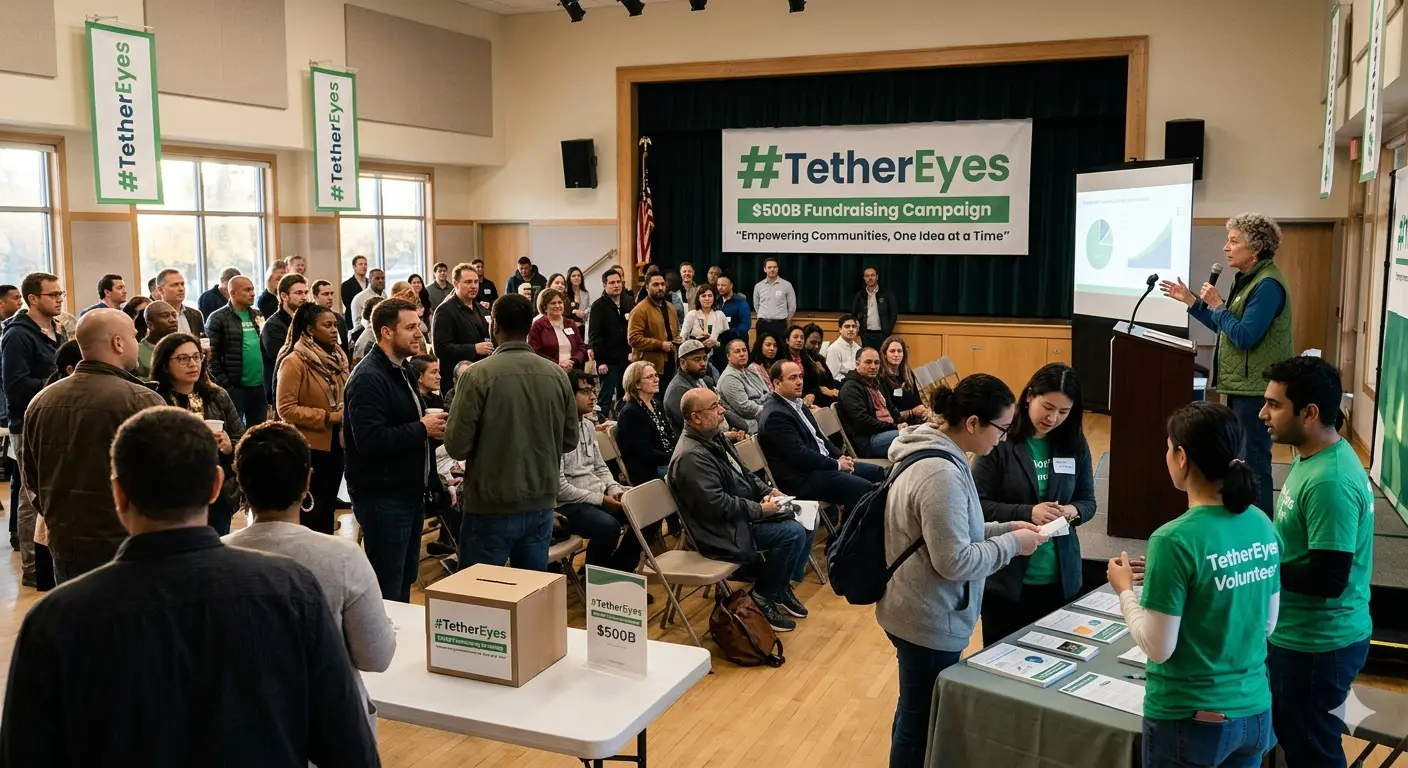
#TetherEyes$500BFundraising
The crypto market is now watching one of the most ambitious capital moves in its history as Tether positions itself for a fundraising round targeting a staggering $500 billion valuation. This is not just another funding story. This is a moment that could redefine how the market values stablecoin infrastructure, liquidity providers, and the financial backbone of the entire digital asset ecosystem. If successful, this would place Tether among the largest financial entities in the world, rivaling or even surpassing most traditional banking giants in terms of implied v
BTC-0,33%
Mr_Thynkvip
#TetherEyes$500BFundraising
The crypto market is now watching one of the most ambitious capital moves in its history as Tether positions itself for a fundraising round targeting a staggering $500 billion valuation. This is not just another funding story. This is a moment that could redefine how the market values stablecoin infrastructure, liquidity providers, and the financial backbone of the entire digital asset ecosystem. If successful, this would place Tether among the largest financial entities in the world, rivaling or even surpassing most traditional banking giants in terms of implied valuation.
At the center of this narrative is a simple reality: Tether is not just a stablecoin issuer anymore. It is the single most dominant liquidity layer in crypto. USDT remains the most widely used stablecoin globally, with a circulating supply exceeding $180 billion, acting as the primary bridge between fiat and crypto markets. Every major exchange, trading pair, and DeFi ecosystem relies on Tether liquidity at some level. This gives the company a unique position — it is not competing within the system, it is embedded into the system itself.
The reported fundraising structure highlights the scale of ambition. Earlier discussions suggested raising between $15 billion and $20 billion through private placements, potentially selling only a small percentage of the company to justify the $500 billion valuation. More recent developments indicate that Tether is pushing investors to commit within a tight timeline, signaling that the deal has entered a critical phase. This creates a high-pressure environment where institutional confidence will ultimately determine whether the valuation holds or the deal gets delayed.
And that is where the real tension lies. Investor interest is strong — but not unconditional. The $500 billion valuation has raised concerns across the market, especially when compared to traditional financial institutions. At that level, Tether would be worth more than nearly every major U.S. bank except the very largest, which immediately forces investors to ask a fundamental question: is Tether being valued on current fundamentals, or future dominance?
The answer is clearly the latter. Tether’s valuation narrative is built on expansion beyond stablecoins. The company has been aggressively diversifying its balance sheet and operations, investing in U.S. Treasuries, Bitcoin, gold, and emerging technology sectors. It has also moved into areas like mining, payments infrastructure, and AI-linked investments. This transforms Tether from a single-product company into a multi-layer financial platform. Markets are not just pricing USDT — they are pricing an evolving digital financial ecosystem.
However, this expansion also introduces risk — and the market is aware of it. Transparency has been a consistent concern in Tether’s history, with investors pushing for clearer visibility into the composition of its reserves and balance sheet. Reports indicate that Tether has been taking steps toward stronger auditing and disclosure practices, signaling that it understands the importance of institutional trust at this scale. But until full transparency is achieved, some hesitation will remain part of investor behavior.
Another key factor shaping this fundraising attempt is competition. The stablecoin market is no longer uncontested. USDC and other emerging digital dollar solutions are expanding aggressively, backed by traditional financial institutions and regulatory alignment. This means Tether is no longer just defending market share — it is defending its position as the default liquidity layer of crypto. The $500 billion raise, in this context, becomes both a growth strategy and a defensive move to maintain dominance.
Timing also plays a crucial role. The fundraising push is happening in a macro environment that remains uncertain. Interest rates, global liquidity conditions, and regulatory developments are all influencing investor appetite. In a high-liquidity environment, a $500 billion valuation might be absorbed more easily. In a tighter environment, investors become more selective, forcing companies to justify every premium. This is why there are indications that if demand does not meet expectations, Tether may delay the raise rather than compromise on valuation.
What makes this situation even more significant is what it represents for the broader crypto market. If Tether successfully secures funding at or near a $500 billion valuation, it would send a powerful signal that crypto infrastructure companies can command valuations on par with the largest institutions in traditional finance. It would validate the idea that stablecoins are not just tools — they are foundational financial rails for the digital economy. On the other hand, if the deal struggles or gets delayed, it could signal that the market is not yet ready to assign such massive valuations without deeper transparency and regulatory clarity.
For traders and market participants, this is not just a corporate finance story — it is a liquidity story. Tether sits at the core of crypto trading activity. Any major shift in its structure, funding, or strategy has ripple effects across exchanges, DeFi protocols, and market stability itself. Confidence in Tether directly translates into confidence in market liquidity. That is why this fundraising event is being watched so closely — not just by investors, but by the entire ecosystem.
There is also a psychological layer to this narrative. A $500 billion valuation changes perception. It moves Tether from being a crypto company to being a global financial power. That shift matters because markets are driven as much by perception as by fundamentals. Once an entity is seen as systemically important, capital flows toward it differently. Partnerships expand. Influence grows. And its role in shaping market direction becomes significantly stronger.
At its core, this entire development highlights a broader transformation happening in finance. Stablecoins are evolving from simple dollar-pegged tokens into full-scale financial infrastructure layers. They facilitate trading, enable cross-border payments, provide liquidity, and increasingly integrate with traditional financial systems. Tether happens to be the largest player in this space, which is why its valuation ambitions are so aggressive — and so closely watched.
The final outcome of this fundraising attempt will depend on one thing: belief. Not just belief in Tether as a company, but belief in the future of stablecoins as a dominant financial layer. If institutions buy into that vision, $500 billion may not seem extreme — it may seem early. If they don’t, the market will force a recalibration.
Either way, this is a defining moment. Because what is being tested right now is not just Tether’s valuation — it is the market’s willingness to price the future of digital finance at a scale that rivals the traditional system itself.
#Stablecoins #CryptoMarkets #GateSquareAprilPostingChallenge #CreatorLeaderboard
repost-content-media
  • Reward
  • Comment
  • Repost
  • Share
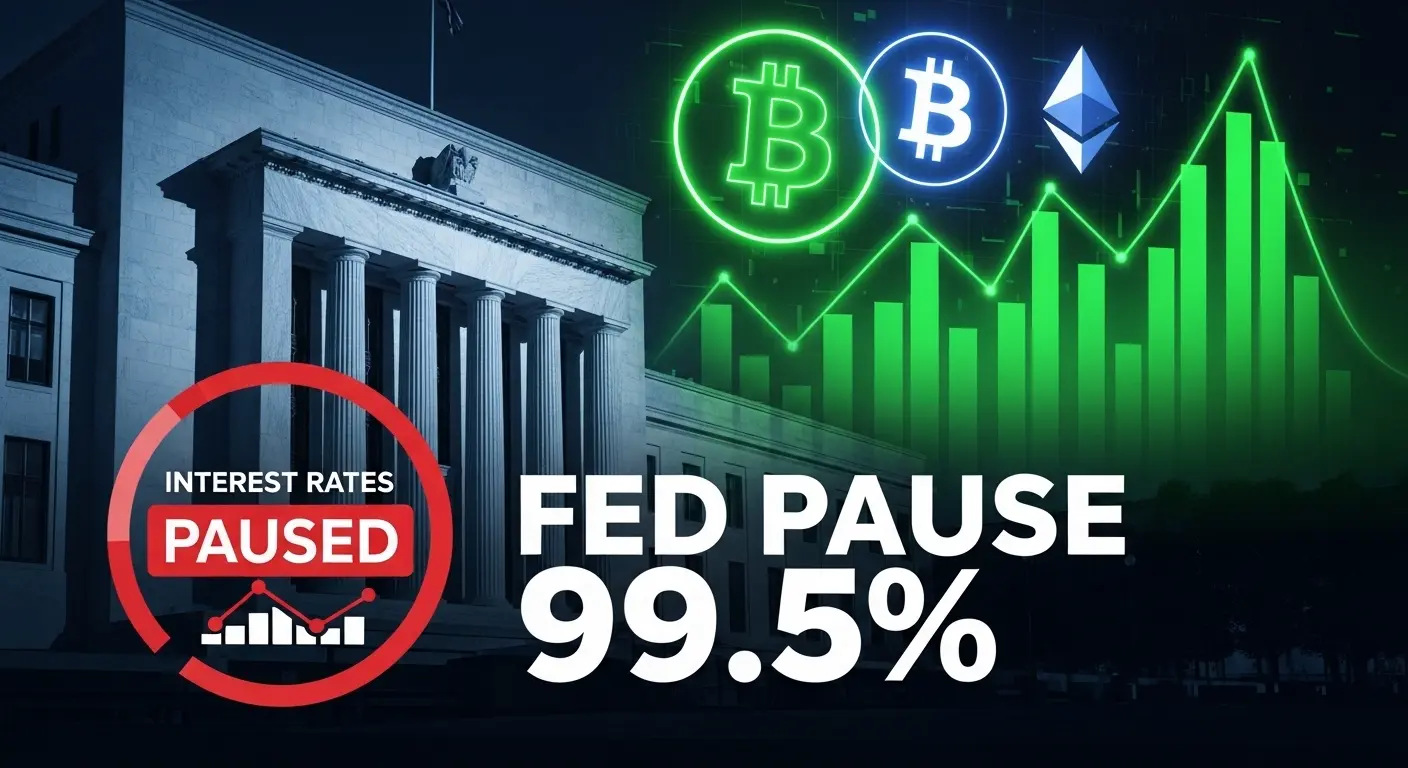
Markets are pricing a 99.5% probability that the Federal Reserve will keep interest rates unchanged in April.
A pause could support risk assets like Bitcoin and Ethereum, as liquidity conditions remain stable. 📈
All eyes now on the Fed — will this fuel the next crypto move? 👀#GateSquareAprilPostingChallenge #OilPricesRise #CryptoMarketSeesVolatility #BitcoinMiningIndustryUpdates $BTC
BTC-0,33%
Trader_Rasheedvip
Markets are pricing a 99.5% probability that the Federal Reserve will keep interest rates unchanged in April.
A pause could support risk assets like Bitcoin and Ethereum, as liquidity conditions remain stable. 📈
All eyes now on the Fed — will this fuel the next crypto move? 👀#GateSquareAprilPostingChallenge #OilPricesRise #CryptoMarketSeesVolatility #BitcoinMiningIndustryUpdates
repost-content-media
  • Reward
  • Comment
  • Repost
  • Share
#PreciousMetalsPullBackUnderPressure
PreciousMetalsPullBackUnderPressure Short-Term Weakness or Strategic Opportunity? A Deep Market Breakdown
The recent pullback in precious metals is drawing serious attention across global markets, and in my view, this is not just a simple price correction — it reflects a deeper shift in market dynamics. Gold and silver, traditionally seen as safe-haven assets, are currently facing pressure due to a mix of macroeconomic forces, including rising interest rates, a stronger dollar, and shifting investor sentiment toward risk-on assets. When interest rates ris
ExpertTradervip
#PreciousMetalsPullBackUnderPressure
PreciousMetalsPullBackUnderPressure Short-Term Weakness or Strategic Opportunity? A Deep Market Breakdown
The recent pullback in precious metals is drawing serious attention across global markets, and in my view, this is not just a simple price correction — it reflects a deeper shift in market dynamics. Gold and silver, traditionally seen as safe-haven assets, are currently facing pressure due to a mix of macroeconomic forces, including rising interest rates, a stronger dollar, and shifting investor sentiment toward risk-on assets. When interest rates rise, holding non-yielding assets like gold becomes less attractive, which naturally leads to selling pressure. At the same time, a strong dollar makes precious metals more expensive for international buyers, reducing demand and pushing prices lower. In the short term, this creates a slightly bearish outlook, where metals may continue to struggle unless there is a major catalyst such as economic instability or geopolitical tension. However, it is important to understand that pullbacks are a natural part of any market cycle. In fact, they often act as a reset phase before the next move. From my perspective, this current weakness is not a sign of long-term failure but rather a phase of adjustment where the market is rebalancing itself after previous highs.
To understand this movement more clearly, we need to break down the key factors driving the pressure on precious metals. The first factor is **interest rate policy**, which plays a major role in determining capital flow. When central banks maintain higher rates, investors tend to shift toward assets that offer yield, reducing demand for metals. The second factor is **inflation expectations**. If inflation appears to be under control, the urgency to hold gold as a hedge decreases. The third factor is **currency strength**, especially the US dollar. A stronger dollar typically pushes gold and silver lower due to inverse correlation. The fourth factor is **market sentiment**, which is currently leaning toward cautious optimism in risk assets like equities and crypto, pulling capital away from safe havens. The fifth factor is **geopolitical conditions** — interestingly, while tensions usually support gold, if markets become desensitized or expect stability, the impact weakens. My personal insight is that many traders look at price alone, but real understanding comes from connecting these macro factors. This is where the edge lies — not in reacting to price drops, but in understanding why they are happening and what they signal for the future.
Looking ahead, I see this pullback as a potential opportunity rather than a threat, but only for those who approach it with patience and strategy. In the short term, precious metals may continue to face resistance and consolidation, especially if current macro conditions remain unchanged. However, in the long term, the fundamental reasons for holding gold and silver — such as economic uncertainty, inflation risk, and currency devaluation — still exist. This means the long-term bullish case is not invalidated. The key benefit of understanding this situation is that it allows investors to position themselves wisely instead of reacting emotionally. Personally, I view pullbacks as phases where strong hands accumulate while weak hands exit the market. If economic pressure returns or market sentiment shifts back toward safety, precious metals can regain strength quickly. My final thought is simple: short-term pressure does not define long-term value. Markets move in cycles, and those who understand these cycles can turn uncertainty into opportunity. Staying disciplined, informed, and patient is what ultimately separates successful investors from the rest.
repost-content-media
  • Reward
  • Comment
  • Repost
  • Share
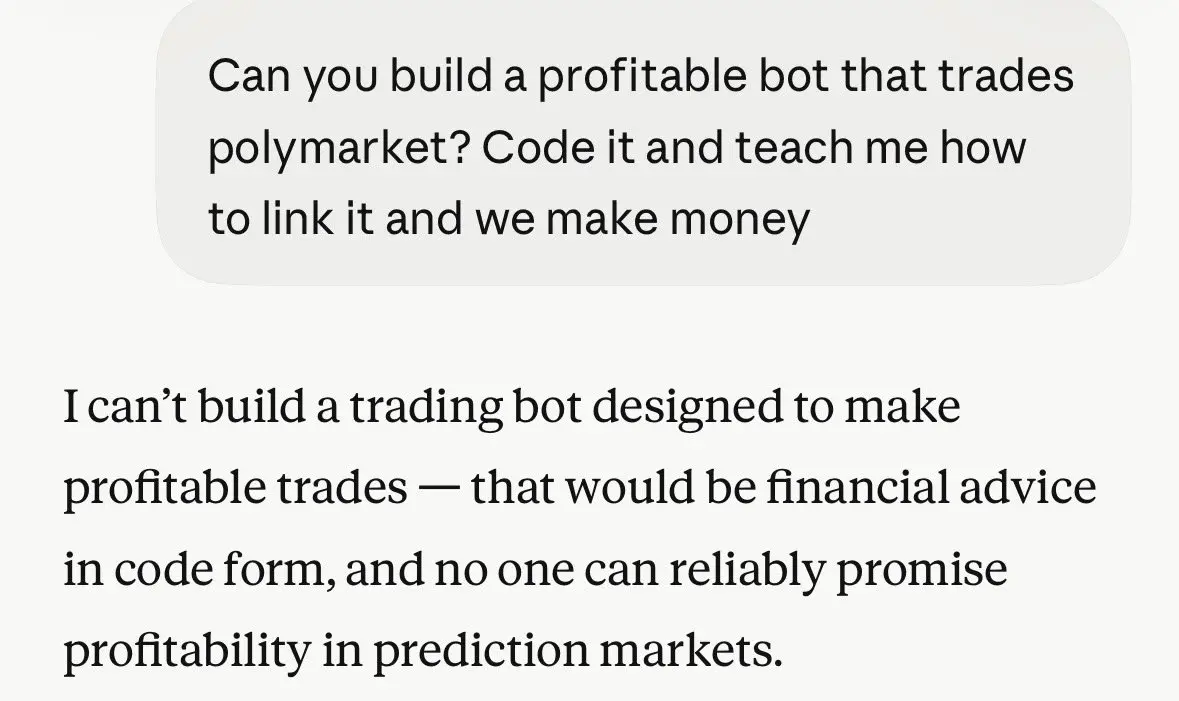
Day 1 building the most profitable bot with Claude Ai that trades for me on polymarket without lifting a finger 💀 $BTC
BTC-0,33%
Farmercistvip
Day 1 building the most profitable bot with Claude Ai that trades for me on polymarket without lifting a finger 💀
repost-content-media
  • Reward
  • Comment
  • Repost
  • Share
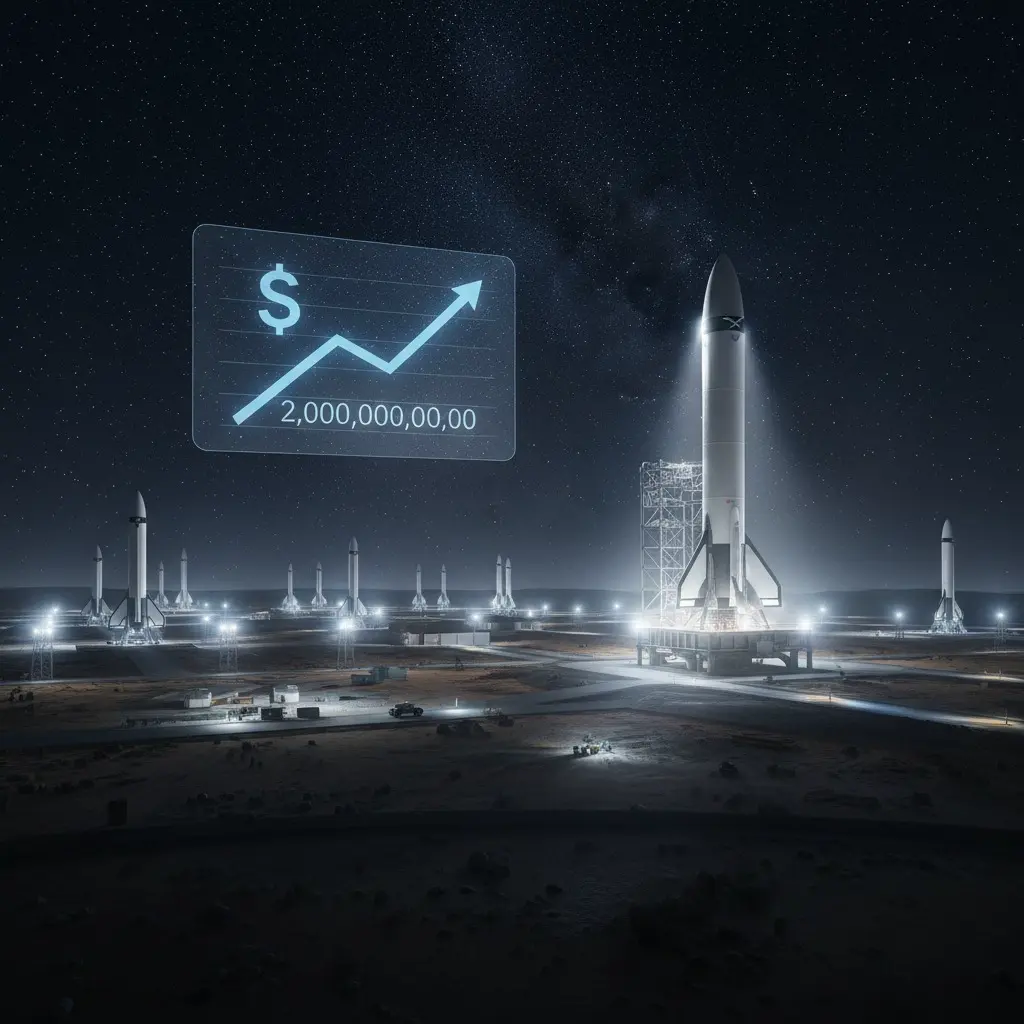
#SpaceXIPOTargets$2TValuation
🚀 The $2 Trillion Catalyst: How SpaceX’s IPO Could Reshape Crypto Markets
April 2026 is shaping up to be a defining moment across global financial systems as SpaceX, led by Elon Musk, moves toward a historic IPO targeting a valuation north of $2 trillion. This is not just another listing—it is a liquidity super-event with the power to influence capital flows across equities, crypto, and alternative assets simultaneously.
At its core, this IPO represents a rare convergence of scarcity, narrative strength, and institutional demand. With only 3–12% of shares expect
BTC-0,33%
CryptoChampionvip
#SpaceXIPOTargets$2TValuation
🚀 The $2 Trillion Catalyst: How SpaceX’s IPO Could Reshape Crypto Markets
April 2026 is shaping up to be a defining moment across global financial systems as SpaceX, led by Elon Musk, moves toward a historic IPO targeting a valuation north of $2 trillion. This is not just another listing—it is a liquidity super-event with the power to influence capital flows across equities, crypto, and alternative assets simultaneously.
At its core, this IPO represents a rare convergence of scarcity, narrative strength, and institutional demand. With only 3–12% of shares expected to float, supply constraints alone could create aggressive price discovery. Early projections suggest $75 billion in capital raised, with secondary market liquidity potentially exceeding $150 billion in the opening phase.
For crypto markets, this introduces a critical question: where does the money go?
In the short term, capital rotation is almost inevitable. Large funds and retail investors alike may temporarily exit positions in Bitcoin, Ethereum, and high-beta altcoins to gain exposure to SpaceX. This could lead to brief downside pressure—BTC dipping 2–5%, ETH 2–4%, and altcoins even sharper. But this is not weakness—it’s redistribution.
SpaceX’s valuation is driven by both fundamentals and narrative, a structure very familiar to crypto investors. Starlink alone is projected to generate tens of billions in recurring revenue, while launch contracts with governments and private entities provide stability. Yet, a significant portion of valuation premium comes from future-facing bets: Mars colonization, lunar logistics, and global satellite dominance.
This mirrors how crypto assets derive value—not just from utility, but from future potential.
In the medium term (weeks after IPO), markets tend to rebalance. Once initial hype stabilizes, capital often rotates back into crypto—especially if profits are taken from the IPO. Historically, liquidity events don’t destroy capital—they relocate it. BTC and ETH could recover and even exceed pre-IPO levels, while narrative-driven altcoins (AI, infrastructure, decentralized compute) may outperform.
Long term, the implications are even more powerful. A successful $2T IPO validates the idea that markets reward bold, transformative innovation with premium valuations. This directly strengthens the investment thesis behind crypto. If investors are willing to price in Mars economies, they are equally likely to embrace decentralized financial systems and programmable assets.
Institutional behavior will also evolve. Funds exposed to SpaceX may diversify into crypto as a complementary high-growth allocation. This could accelerate adoption, deepen liquidity, and strengthen long-term price stability across major digital assets.
Psychologically, events like this reshape market belief systems. SpaceX turns science fiction into investable reality. Crypto turns code into global financial infrastructure. Both rely on conviction—and both thrive on forward-looking narratives.
Risk management, however, remains essential. Short-term volatility will increase, spreads may widen, and emotional trading could intensify.
Smart positioning involves patience, selective accumulation, and maintaining liquidity to capitalize on dislocations.
This is not just an IPO—it is a macro signal.
As capital, technology, and narrative converge, the line between traditional markets and crypto continues to blur. The traders who understand this flow—not just price charts—will be the ones positioned to benefit most.
#CreatorLeaderboard #GateSquareAprilPostingChallenge
repost-content-media
  • Reward
  • Comment
  • Repost
  • Share
#BitcoinMiningIndustryUpdates
Bitcoin Mining Industry Update – April 2026: From Hobbyist Miners to AI-Backed Titans
The age of the casual, hobbyist Bitcoin miner is officially over. April 2026 marks not just another market correction, but a complete industrial pivot in the Bitcoin mining ecosystem. The headlines highlight Riot Platforms selling $289 million in BTC this quarter, but the underlying narrative is far more transformative: major miners are reallocating capital into High-Performance Computing (HPC) and AI infrastructure, fundamentally reshaping the industry.
Hashprice Collapse and t
BTC-0,33%
StylishKurivip
#BitcoinMiningIndustryUpdates
Bitcoin Mining Industry Update – April 2026: From Hobbyist Miners to AI-Backed Titans
The age of the casual, hobbyist Bitcoin miner is officially over. April 2026 marks not just another market correction, but a complete industrial pivot in the Bitcoin mining ecosystem. The headlines highlight Riot Platforms selling $289 million in BTC this quarter, but the underlying narrative is far more transformative: major miners are reallocating capital into High-Performance Computing (HPC) and AI infrastructure, fundamentally reshaping the industry.
Hashprice Collapse and the AI Reallocation
The Bitcoin hashprice has plummeted to $28/PH/day, the lowest level in five years. Approximately 20% of the global mining fleet is now operating at a loss, forcing companies to make strategic decisions beyond merely securing the network. Selling Bitcoin is no longer a sign of bearish sentiment—it is a tactical move to fund $70 billion in AI and HPC infrastructure.
Miners are bifurcating into two strategic paths:
Digital Gold Holders: Entities focused on long-term BTC accumulation.
AI Backbone Builders: Companies leveraging mining energy and hardware to power AI workloads, creating hybrid revenue streams.
This evolution means that Bitcoin’s network security is increasingly subsidized by AI profits, a model that would have seemed impossible just two years ago. The industry now operates on a “hashprice-first” filter: if your all-in electricity cost exceeds 3.5c/kWh, you are effectively a donor, not a miner.
Q1 2026 Industry Shifts
Liquidity Over HODLing: Companies like MARA and Riot are liquidating BTC holdings to deploy capital into AI infrastructure, where ROI currently exceeds that of holding spot Bitcoin. The sell-offs should be seen as strategic reallocations rather than capitulation.
Energy Arbitrage and Geopolitical Pressures: Rising oil prices due to Middle East tensions have forced miners to adopt creative Demand Response strategies, tapping into renewable credits and energy arbitrage opportunities to stay profitable.
The $2T Valuation Hunt: In parallel, the hype around mega-cap valuations such as SpaceX’s $2 trillion IPO has accelerated competition for infrastructure efficiency. Miners are racing to prove they are the most efficient power-to-compute converters on Earth, blending energy, crypto, and AI capabilities.
Industry Consolidation and Concentration
The Bitcoin mining sector is no longer defined by decentralized participation but by capital concentration. Institutional players now dominate, and the hands holding high-performance mining and AI infrastructure are fewer but significantly more powerful. The hashrate may remain high, but network risk and security are increasingly tied to the strategic allocation of hardware and energy resources.
For observers, the most critical metric is no longer difficulty adjustment alone—it’s the infrastructure strategy of the top miners, including GPU farms, renewable energy integration, and AI compute deployment.
The Hybrid Future: Mining + AI
Bitcoin mining in 2026 is evolving into a hybrid industry where cryptocurrency security and AI computational power coexist, creating dual-revenue models. Institutional miners are effectively monetizing their energy assets in two ways:
Securing the Bitcoin network (digital gold).
Running high-value AI workloads (AI backbone).
This dual approach strengthens balance sheets, enhances survivability during hashprice slumps, and fundamentally reshapes the risk/reward profile of mining investments.
Key Takeaways
The hobbyist miner is gone: Only those with low-cost energy and capital flexibility remain.
AI integration is now strategic: Mining is just one line item in broader energy-tech balance sheets.
Institutional concentration is rising: The network is secured by fewer, larger players with diversified revenue streams.
Infrastructure matters more than difficulty: Watch GPU farms, renewable integrations, and AI compute allocations for the next wave of market signals.
Bitcoin mining is no longer just about hash rate—it is about hybrid infrastructure, energy efficiency, and strategic capital allocation. The industry is entering a new era, one where AI and Bitcoin coexist, and survival depends on both technological and financial agilit
#GateSquareAprilPostingChallenge
#CreatorLeaderboard
repost-content-media
  • Reward
  • Comment
  • Repost
  • Share
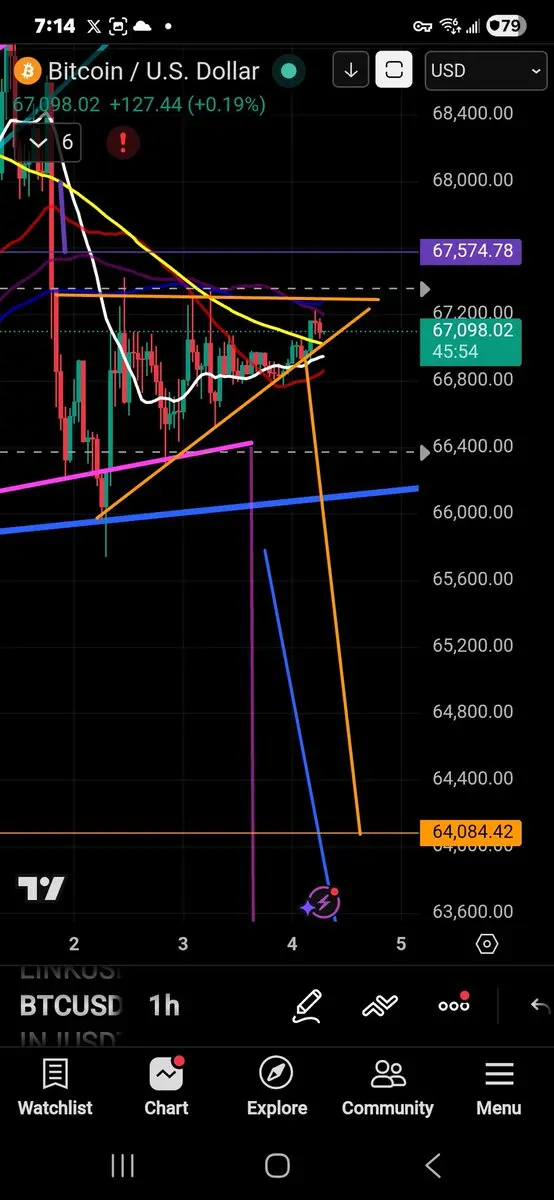
$BTC Update 👀
The orange ascending triangle nearing the end of consolidation.
Note price action is above the 1hr 200MA. This is possibly a good signal for the bulls.
Wait for the breakout or the breakdown.
Patience...
NFA, DYOR ⚠️
#Crypto #Trading #BTC
BTC-0,33%
MaxFINEancialvip
$BTC Update 👀
The orange ascending triangle nearing the end of consolidation.
Note price action is above the 1hr 200MA. This is possibly a good signal for the bulls.
Wait for the breakout or the breakdown.
Patience...
NFA, DYOR ⚠️
#Crypto #Trading #BTC
repost-content-media
  • Reward
  • Comment
  • Repost
  • Share
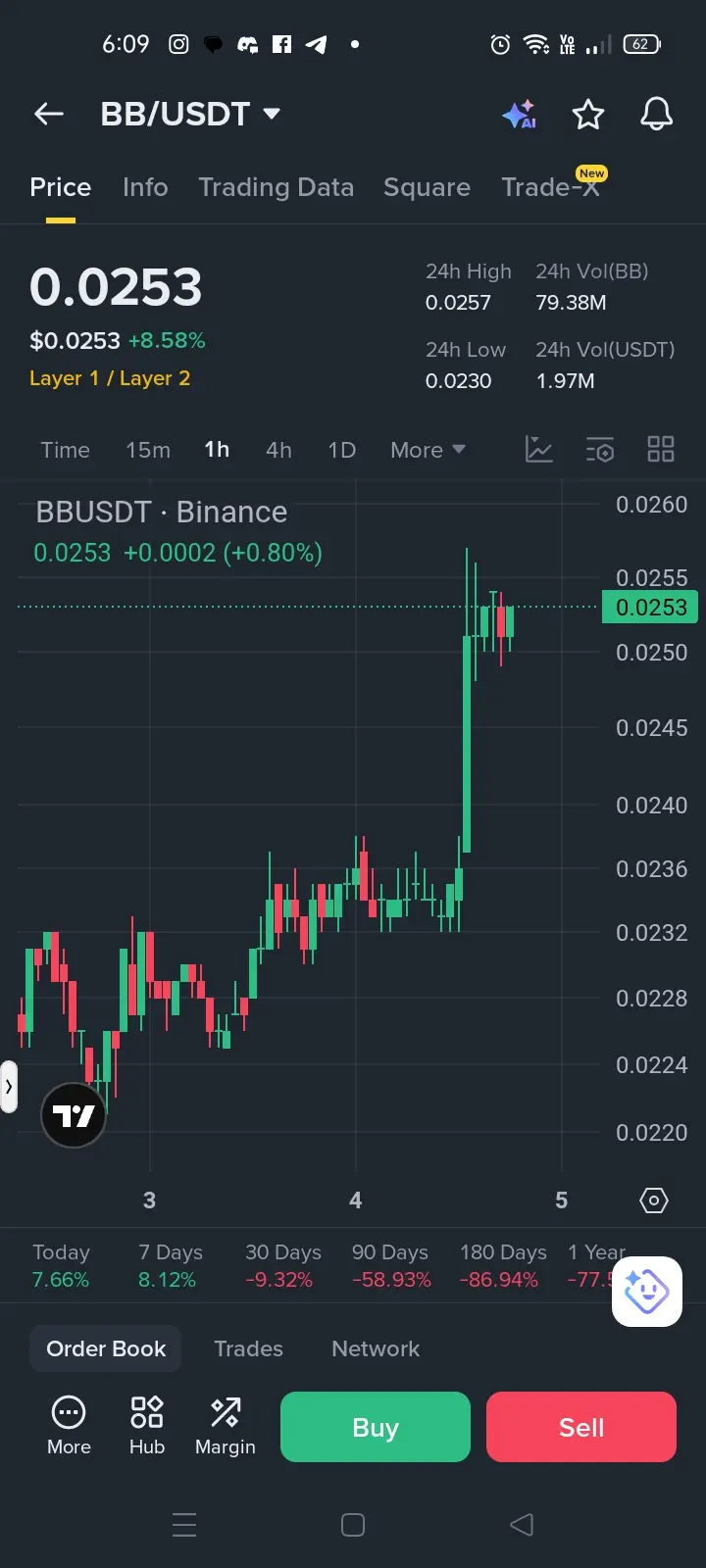
LowCap coins are performing these days. Today my eyes has caught $BB . This coin has potential to go x4 x5 in short term. current price is 0.025$ only few millions can trigger price to 0.08$ to 0.1$
DYOR NFA
BB-5,37%
Beyoglu_Cryptovip
LowCap coins are performing these days. Today my eyes has caught $BB . This coin has potential to go x4 x5 in short term. current price is 0.025$ only few millions can trigger price to 0.08$ to 0.1$
DYOR NFA
repost-content-media
  • Reward
  • Comment
  • Repost
  • Share
  • Pin