Author: Helene Braun, Coindesk; Translated by: shark@Jinse Finance
Key Points
- CitigroupCEOJane****Fraser (Jane Fraser) stated that tokenized deposits (as opposed to stablecoins) will drive the future of digital payments, as they are less frictional and more regulatory compliant.
- Fraser pointed out that while Citigroup supports stablecoin infrastructure, corporate finance departments are not yet prepared for round-the-clock financing, which has slowed its broader adoption.
- Citigroup is expanding its tokenization services through a 24/7 US dollar clearing network and exploring the tokenization of assets such as stocks and commodities.
Jane Fraser, CEO of Citigroup, expressed a clear stance on the future of digital finance. She told investors that tokenized deposits (rather than stablecoins) will be the main engine behind the next generation of payment and financial market infrastructure.
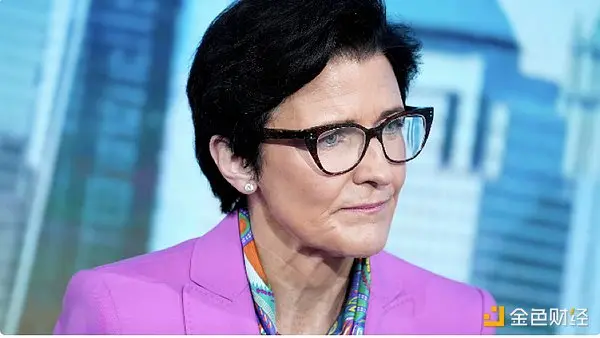
Fraser explained in the investor conference call following the bank's third quarter earnings report on Tuesday that institutional clients are demanding low-cost, compliant, seamless, real-time cross-border fund flows.
“What our clients want is an interoperable, multi-bank, always-on, and secure payment solution,” she said, “tokenized deposits are the best way to achieve this.”
Citigroup has invested heavily in digital asset infrastructure, including its own around-the-clock dollar clearing network. Fraser stated that the bank's tokenization services are currently connected to over 250 banks across more than 40 markets, allowing clients to transfer funds instantly to vendors and third parties. However, she also pointed out that the biggest bottleneck for broader adoption is not technology, but rather that many corporate finance departments are not yet prepared for a 24/7 financial environment.
Although Citigroup will continue to support stablecoins—providing deposit and withdrawal channels, custody services, and cash management for stablecoin providers—Fraser emphasized that stablecoins bring more operational frictions, including regulatory burdens related to anti-money laundering (AML), tax reporting, and accounting. “Our tokenized deposit functionality can avoid these additional requirements,” she said.
Fraser previously stated that Citigroup is exploring the possibility of issuing its own stablecoin, but she warned against overhyping this asset class. “Currently, people are overly focused on stablecoins,” she said. “Most issues will be resolved through tokenized deposit functions.”
Looking to the future, Frezer believes that the scope of tokenization extends far beyond the payment sector. She pointed out that in the future, the issuance and settlement of various assets, from oil to stocks, will take place in a regulated and trusted environment, through tokenized channels.
She stated that the key lies in regulatory agencies beginning to promote responsible innovation.
“We will take this as part of our toolkit,” Fraser said. “Regulators now allow us to innovate responsibly, which is really great. This will truly help the development of the market.”
Disclaimer: The information on this page may come from third parties and does not represent the views or opinions of Gate. The content displayed on this page is for reference only and does not constitute any financial, investment, or legal advice. Gate does not guarantee the accuracy or completeness of the information and shall not be liable for any losses arising from the use of this information. Virtual asset investments carry high risks and are subject to significant price volatility. You may lose all of your invested principal. Please fully understand the relevant risks and make prudent decisions based on your own financial situation and risk tolerance. For details, please refer to
Disclaimer.


