Source: Glassnode; Compiler: Wuzhu, Golden Finance
This week, we introduced another exploration targeting CBD use cases - analyzing metaverse tokens. Despite the price decline and fading hype, on-chain data indicates that major investors remain active, steadily accumulating and lowering their cost basis.
Does this signal a long-term bet on the revival of the metaverse? Let’s first review how to analyze and interpret CBD data, and then apply this knowledge to the latest trends in the metaverse.
Understanding the Cost Base Distribution
Cost Basis Distribution (CBD) tracks the position of token supply concentration based on the average cost basis of holders. By analyzing the changes in supply distribution, we can identify investor behavior—whether they are accumulating, selling, or reallocating their holdings.
How to interpret the CBD heat map:
- Color Intensity (Supply Distribution)
Warm colors (red/yellow) indicate a high concentration of supply within a given price range, while cool colors (blue/green) indicate a lower supply volume.
Each horizontal slice represents the price range of the last movement of a portion of the supply, showing how holders adjust their cost basis over time.
Tracking these changes helps us identify potential market turning points, where accumulation or distribution trends may indicate future price movements.
Metaverse Tokens: What the Cost Basis Distribution Data Reveals
In this analysis, we focus on the metaverse tokens — The Sandbox (SAND), Decentraland (MANA), and Axie Infinity (AXS) — which were among the most prominent assets during the metaverse boom of 2021. Although the hype surrounding virtual worlds has faded, our focus shifts from user activity to examining investor behavior using cost basis distribution (CBD) data.
We are not assessing adoption metrics or in-game activities, but rather analyzing how token holders adjust their positions over time. Are they selling off, maintaining stability, or accumulating at lower prices? By tracking supply changes at different price levels, we can gain insights into how investor beliefs evolve during the post-speculation phase, and whether accumulation trends suggest long-term confidence in these projects.
The Sandbox (SAND): Steady accumulation in a bear market
Despite price fluctuations, on-chain data shows that accumulation continues. Holders with strong conviction are steadily increasing their positions, enhancing their confidence in the project’s long-term potential.

Decentraland (MANA): Buy on dips
The supply concentration has significantly increased, reaching around $0.60, reflecting an increase in purchasing activity after the price decline. This indicates that investors see the price drop as a buying opportunity rather than a sign of further decline.
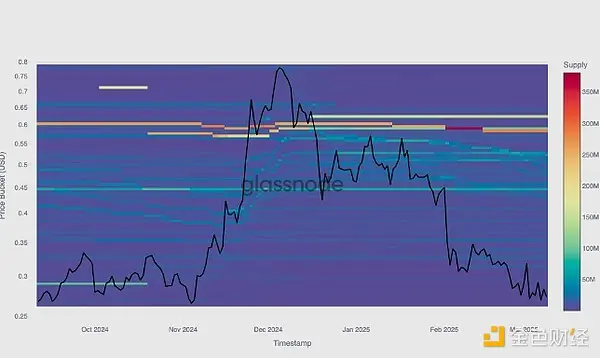
Axie Infinity (AXS): Long-term confidence remains strong.
Despite the ongoing downtrend, on-chain data shows a gradual increase in large positions. This pattern indicates that certain investors remain confident about the future of Axie Infinity.

Will the Metaverse Revive?
Speculative hype around the metaverse may have subsided, but on-chain activity indicates otherwise. The continued accumulation of major metaverse tokens suggests that many investors see these projects as undervalued opportunities rather than failures.
Does this lay the foundation for a future recovery? Although the price trend remains uncertain, data shows that the confidence of major market participants is still strong—they are positioning themselves accordingly.
Disclaimer: The information on this page may come from third parties and does not represent the views or opinions of Gate. The content displayed on this page is for reference only and does not constitute any financial, investment, or legal advice. Gate does not guarantee the accuracy or completeness of the information and shall not be liable for any losses arising from the use of this information. Virtual asset investments carry high risks and are subject to significant price volatility. You may lose all of your invested principal. Please fully understand the relevant risks and make prudent decisions based on your own financial situation and risk tolerance. For details, please refer to
Disclaimer.


