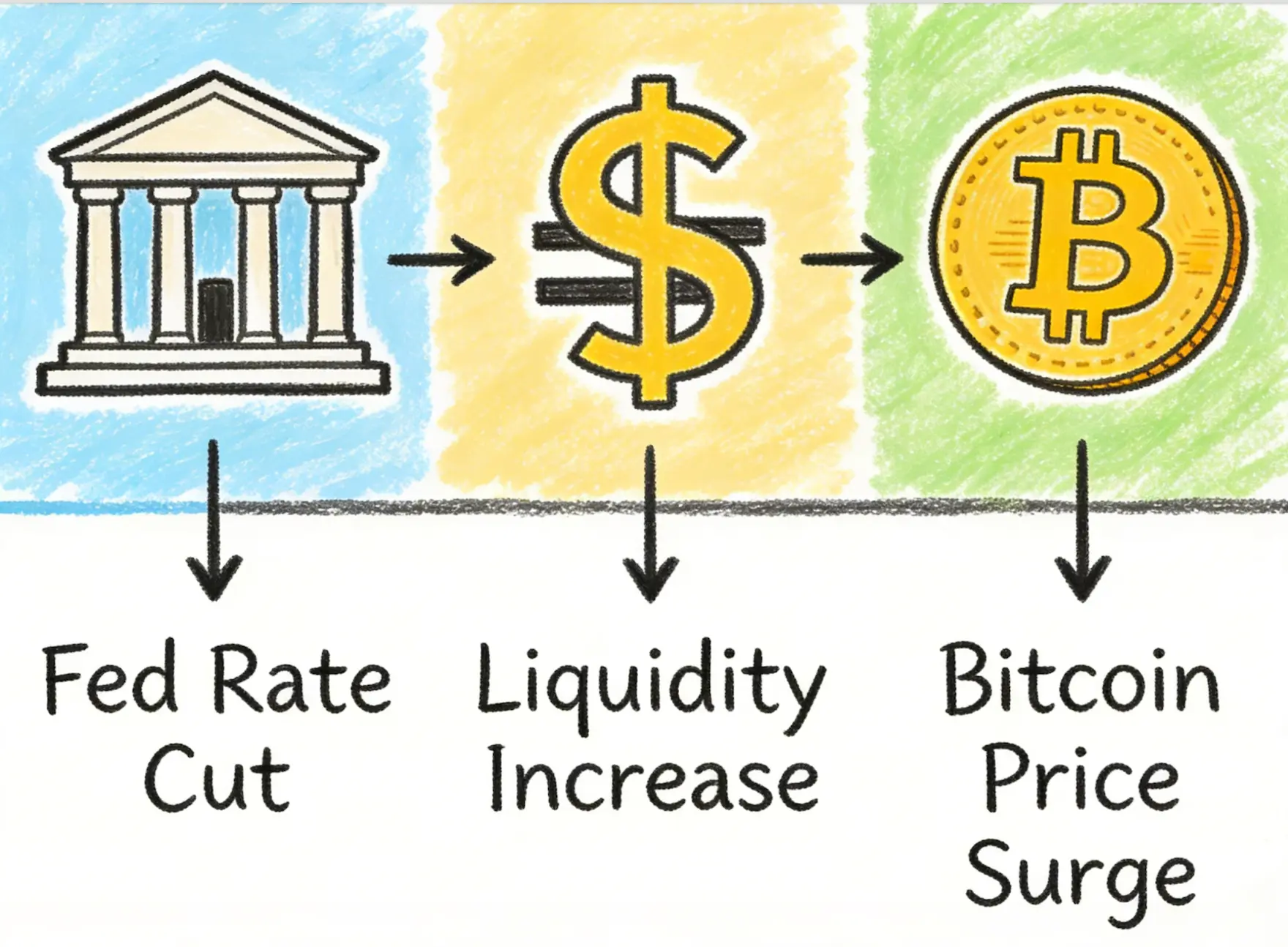
 U.S. President Donald Trump intensified pressure on Federal Reserve Chair Jerome Powell on March 16, 2026, calling for an immediate interest rate cut and suggesting the central bank hold a “special meeting” to reduce rates, despite market pricing indicating a 99% probability that rates will remain unchanged at the March 17-18 Federal Open Market Committee (FOMC) meeting.
Trump argued that lower rates would reduce the cost of servicing the $39 trillion U.S. national debt and stimulate economic growth, housing, and stock markets, while potentially pushing investors toward higher-risk assets including cryptocurrencies.
Bitcoin surged above $74,000 on March 16, wiping out nearly $300 million in short positions, as markets digested the conflicting pressures of geopolitical conflict in Iran driving oil prices above $105 per barrel and expectations that the Fed will maintain its current 3.50% to 3.75% rate range through the March meeting.
Trump’s Escalating Pressure on the Federal Reserve
Latest Rate Cut Demands
In comments at a White House meeting, Trump stated: “What’s a better time to cut interest rates than now? A third-grade student would know that.” He suggested the Fed should convene a special meeting rather than waiting for its regularly scheduled policy announcements.
This follows Trump’s March 12 Truth Social post asserting that Fed Chair Powell “should be dropping interest rates, IMMEDIATELY.” The president has consistently advocated for lower rates since January, labeling Powell “too late” and claiming his rate policy is “hurting our country, and its National Security.”
Political Context
Trump’s renewed attacks come as Powell’s term as Fed Chair is scheduled to end in mid-May 2026, with Trump’s nominee Kevin Warsh expected to take the helm. Trump has previously stated the U.S. should have “substantially lower” rates and “the lowest in the world.”
March FOMC Meeting Expectations
Rate Decision Outlook
The Federal Open Market Committee begins its two-day meeting March 17, with a rate decision and Powell’s press conference scheduled for March 18. According to CME FedWatch data, markets have priced in a 99% probability that rates will remain unchanged in the 3.50% to 3.75% range. The outlook for the April 29 meeting similarly shows a 97% probability of no change.
Powell’s Communication in Focus
While the rate decision itself is widely expected, analysts emphasize that Powell’s tone and forward guidance will be critical. Investors will scrutinize his remarks for signals about how policymakers view the inflationary impact of the Middle East conflict and whether the Fed’s balancing act between cooling inflation and supporting the labor market is shifting.
Geopolitical and Inflationary Pressures
Oil Price Surge
The ongoing conflict with Iran has driven oil prices sharply higher, with Brent crude exceeding $105 per barrel on March 15. On March 12, approximately 15,000 contracts betting that Brent crude would trade around $145 were executed, suggesting investor expectations of further price increases.
Inflation Implications
Higher oil prices typically translate into increased fuel, food, and transportation costs, creating upward pressure on inflation. U.S. inflation remained steady at 2.4% in February, but economists expect it to rise in March due to energy price impacts. This inflationary pressure complicates the Fed’s rate-cutting calculus, as higher inflation typically supports maintaining or increasing rates.
Market Pricing of Rate Cuts
Jeff Mei, Chief Operations Officer at BTSE exchange, noted that “traders have already priced in the likelihood of zero cuts this year” due to the conflict’s impact on oil prices and its unclear inflation implications. He suggested the Fed will likely “continue to wait out the situation,” which could mean “less downward pressure on crypto asset prices.”
Bitcoin Price Dynamics
Rally to $74,000
Bitcoin surged above $74,000 on March 16, recording an 8% gain over the past week despite geopolitical uncertainty. The rally liquidated nearly $300 million in short positions, reflecting the market’s asymmetric positioning.
Short-Term Holder Dynamics
Illia Otychenko, Lead Analyst at CEX.IO Exchange, highlighted the significance of Bitcoin’s return above $72,000: “With price returning above $72,000, short-term holders are back in profit on average. This matters because short-term selling pressure was the main force limiting upside momentum.”
However, Otychenko warned of potential volatility: “If Bitcoin declines, short-term holders who just returned to profit could quickly move back into losses and start selling again. That would increase pressure on the market and could push volatility higher in the short term.”
Decoupling from Traditional Assets
Despite being down 42% from its October 2025 peak, Bitcoin has demonstrated relative strength during the Iran conflict. Otychenko noted: “Bitcoin’s performance looks solid, adding nearly 12% since the beginning of the Iran war, while major US indices and gold remain underwater.”
Global Central Bank Coordination
This week features a集中 of monetary policy decisions from major central banks, including:
Ed Yardeni, President of Yardeni Research, noted that while surprises are possible, the preference across central banks is to wait and assess how the Iran conflict evolves before adjusting official rates.
Frequently Asked Questions
Will the Fed cut rates at the March meeting?
According to CME FedWatch data, markets have priced in a 99% probability that rates will remain unchanged in the 3.50% to 3.75% range following the March 17-18 FOMC meeting. Despite President Trump’s calls for immediate cuts, the Fed is widely expected to maintain its current stance while assessing the inflationary impact of rising oil prices due to the Iran conflict.
How does the Iran conflict affect Fed rate decisions?
The conflict has driven oil prices above $105 per barrel, which typically increases fuel, food, and transportation costs—creating upward pressure on inflation. Since the Fed’s mandate includes maintaining price stability, higher inflation expectations make rate cuts less likely. Analysts suggest the Fed will “wait out the situation” to assess whether oil price spikes translate into sustained inflation before adjusting policy.
Why is Bitcoin rallying despite geopolitical uncertainty?
Bitcoin has gained approximately 12% since the Iran conflict began, outperforming major U.S. indices and gold. The rally reflects multiple factors: expectations that the Fed may eventually cut rates (benefiting risk assets), Bitcoin’s perceived role as a hedge against traditional financial system stress, and technical dynamics where short sellers were forced to cover positions as prices rose above key levels. However, analysts warn that short-term holders returning to profit could create selling pressure if prices decline.
Disclaimer: The information on this page may come from third parties and does not represent the views or opinions of Gate. The content displayed on this page is for reference only and does not constitute any financial, investment, or legal advice. Gate does not guarantee the accuracy or completeness of the information and shall not be liable for any losses arising from the use of this information. Virtual asset investments carry high risks and are subject to significant price volatility. You may lose all of your invested principal. Please fully understand the relevant risks and make prudent decisions based on your own financial situation and risk tolerance. For details, please refer to
Disclaimer.


