

Trade
Basic
Futures
Futures
Hundreds of contracts settled in USDT or BTC
Options
HOT
Trade European-style vanilla options
Unified Account
Maximize your capital efficiency
Demo Trading
Futures Kickoff
Get prepared for your futures trading
Futures Events
Participate in events to win generous rewards
Demo Trading
Use virtual funds to experience risk-free trading
Earn
Launch
CandyDrop
Collect candies to earn airdrops
Launchpool
Quick staking, earn potential new tokens
HODLer Airdrop
Hold GT and get massive airdrops for free
Launchpad
Be early to the next big token project
Alpha Points
NEW
Trade on-chain assets and enjoy airdrop rewards!
Futures Points
NEW
Earn futures points and claim airdrop rewards
Investment
Simple Earn
Earn interests with idle tokens
Auto-Invest
Auto-invest on a regular basis
Dual Investment
Buy low and sell high to take profits from price fluctuations
Soft Staking
Earn rewards with flexible staking
Crypto Loan
0 Fees
Pledge one crypto to borrow another
Lending Center
One-stop lending hub
VIP Wealth Hub
Customized wealth management empowers your assets growth
Private Wealth Management
Customized asset management to grow your digital assets
Quant Fund
Top asset management team helps you profit without hassle
Staking
Stake cryptos to earn in PoS products
Smart Leverage
NEW
No forced liquidation before maturity, worry-free leveraged gains
GUSD Minting
Use USDT/USDC to mint GUSD for treasury-level yields

More




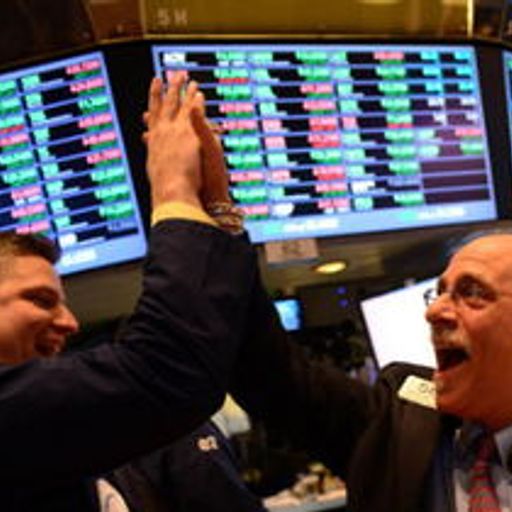


Trade policy rumors cause jitters, Bitcoin drops below 90,000, refreshing market risk aversion sentiment
【Crypto World】Recently, market volatility has intensified. Bitcoin has fallen below the $90,000 mark, and Ethereum has also slipped below $3,000, keeping investors on edge.
The trigger behind this is trade policy. The US government has explicitly stated that tariffs will become an important bargaining chip in geopolitical negotiations. After this stance was made public, the market began to worry that trade friction could push up inflation. Once inflation expectations rise, risk assets are the first to be sold off — this is the core logic behind the recent decline in cryptocurrencies.
More specific signals come from recent policy directions. It is reported that the US may impose a 10% tariff on relevant regions before February 1, which the market interprets as a tough stance, further intensifying risk sentiment.
Many traders are beginning to reassess the macro situation. Rising trade policy uncertainty → increased inflation expectations → pressure on risk assets, this transmission chain is playing out in reality. For holders, it is important to closely monitor policy developments and data, as macro fluctuations directly impact asset price movements.