

Trade
Basic
Futures
Futures
Hundreds of contracts settled in USDT or BTC
Options
HOT
Trade European-style vanilla options
Unified Account
Maximize your capital efficiency
Demo Trading
Futures Kickoff
Get prepared for your futures trading
Futures Events
Participate in events to win generous rewards
Demo Trading
Use virtual funds to experience risk-free trading
Earn
Launch
CandyDrop
Collect candies to earn airdrops
Launchpool
Quick staking, earn potential new tokens
HODLer Airdrop
Hold GT and get massive airdrops for free
Launchpad
Be early to the next big token project
Alpha Points
NEW
Trade on-chain assets and enjoy airdrop rewards!
Futures Points
NEW
Earn futures points and claim airdrop rewards
Investment
Simple Earn
Earn interests with idle tokens
Auto-Invest
Auto-invest on a regular basis
Dual Investment
Buy low and sell high to take profits from price fluctuations
Soft Staking
Earn rewards with flexible staking
Crypto Loan
0 Fees
Pledge one crypto to borrow another
Lending Center
One-stop lending hub
VIP Wealth Hub
Customized wealth management empowers your assets growth
Private Wealth Management
Customized asset management to grow your digital assets
Quant Fund
Top asset management team helps you profit without hassle
Staking
Stake cryptos to earn in PoS products
Smart Leverage
NEW
No forced liquidation before maturity, worry-free leveraged gains
GUSD Minting
Use USDT/USDC to mint GUSD for treasury-level yields

More


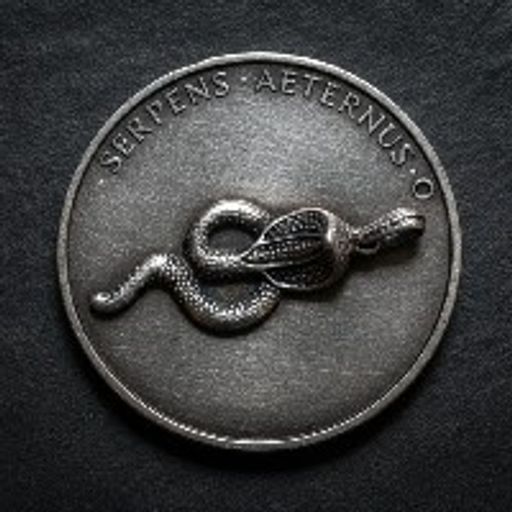



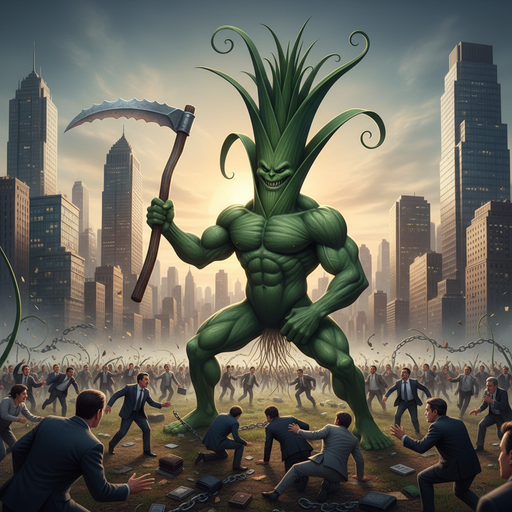
QTO Token Surges 744% in a Week: Su Zhu's Comeback Through Quanto Perp DEX Raises Both Hype and Concerns
Over the past week, QTO token—the native asset of Quanto, a Solana-based perpetual futures platform—has experienced explosive growth, soaring 744% and reaching a $30 million circulating market cap. Behind this market frenzy stands Su Zhu, the co-founder of Three Arrows Capital, whose return to the crypto spotlight following years of turmoil has reignited both enthusiasm and skepticism within the community.
The Fall and Rise: Su Zhu’s Turbulent Journey
Su Zhu’s name was once synonymous with crypto prominence. Together with Kyle Davies, he built Three Arrows Capital (3AC) into a powerhouse managing $10 billion in assets. That dominance, however, came to a dramatic halt in 2022.
The collapse of the Terra/Luna ecosystem triggered a cascade of failures, with 3AC at the epicenter. The fund’s liquidation on June 27, 2022, left creditors with over $3.5 billion in claims, sending shockwaves through the industry and destabilizing institutions like Voyager Digital and BlockFi. Singapore’s Monetary Authority issued a stern reprimand, citing violations including exceeding asset management limits, submitting false information, and failing to disclose directorship changes.
Rather than face creditors head-on, Su Zhu and Davies initially disappeared from view, later attempting to relocate to the Middle East. In September 2023, Su Zhu was detained at a major airport while trying to leave the region, leading to a four-month imprisonment for breaching obligations to the liquidation process.
What followed was unexpected. In early 2024, Su Zhu described his prison experience in surprisingly positive terms, characterizing it as a period of personal reflection and renewal. He highlighted the structured daily routine—physical exercise, extensive reading, and digital detox—as spiritually rejuvenating, ultimately framing it as a transformative chapter rather than a punishment.
Quanto: Trading the Future of Perpetuals
Quanto represents Su Zhu and Kyle Davies’ re-entry into the DeFi space. The platform, set for a September 2025 launch, operates as a decentralized perpetual futures exchange on Solana, enabling traders to leverage positions up to 100 times across diverse collateral including BTC, ETH, meme coins, and LP tokens.
The platform traces its roots to an earlier derivatives project but has undergone significant restructuring under new ownership and management. According to community accounts, investor @yqboom acquired the platform and assembled a fresh team specifically to distance the new iteration from previous regulatory and operational failures.
Quanto’s architecture emphasizes speed, liquidity depth, and accessibility through its QLP mechanism, which facilitates trading in lower-cap tokens. In March 2025, Su Zhu publicly announced his leading role in the initiative, positioning it as a user-centric alternative to existing perp DEX solutions—inspired by platforms known for intuitive design and operational efficiency.
Community Dynamics: Optimism Clashes With Historical Skepticism
The market reaction to Su Zhu’s involvement has been decidedly polarized.
The Skeptical Camp: A substantial portion of the crypto community views Quanto through the lens of 3AC’s catastrophic failure. Critics label the project as inherently risky, pointing to Su Zhu’s track record and fears that past mistakes could resurface. For these observers, any venture associated with Su Zhu carries reputational baggage that’s difficult to overcome.
The Optimistic Camp: Supporters counter that Quanto operates as a structurally independent entity, freed from 3AC’s operational model. The new team has implemented safeguards such as global position caps to limit excessive leverage exposure. Additionally, the project team has maintained transparent communications regarding token economics, announcing a substantial token burn program (exceeding 29 million QTO tokens eliminated since inception) and committing platform revenues toward token buybacks.
This dichotomy—between viewing Quanto as either a suspicious continuation of a failed venture or as a legitimately reformed platform—has become the defining narrative tension surrounding the project’s credibility and future performance.
Broader Context: Su Zhu’s Multifaceted Comeback
Su Zhu’s resurgence extends beyond Quanto alone. He co-founded OPNX, an exchange designed to facilitate claims trading for creditors affected by crypto bankruptcies—essentially transforming industry failures into business opportunities. The platform securing a $4 million funding round signals renewed investor interest in his initiatives.
At recent industry conferences, Su Zhu has actively repositioned himself as a market commentator, advocating contrarian views. He argues that retail investors’ diminishing appetite for serving as liquidity for venture-backed projects will elevate meme coins relative to traditional altcoin performance—a thesis reflecting his evolving market philosophy.
The Unresolved Complications
Despite his apparent reinvention, Su Zhu faces persistent legal and financial headwinds. Liquidators pursuing 3AC’s remaining assets have secured a global freeze on funds potentially linked to him, with claims reaching approximately $1.1 billion. These unresolved matters introduce substantial uncertainty into his comeback narrative, suggesting that full redemption remains incomplete.
Quanto’s trajectory will serve as a crucial benchmark for whether Su Zhu has genuinely transcended his past or whether history will repeat itself. The outcome carries implications not just for him personally, but for the broader market’s willingness to welcome controversial figures back into prominence.
(This analysis is provided for informational purposes only and should not be construed as investment guidance)