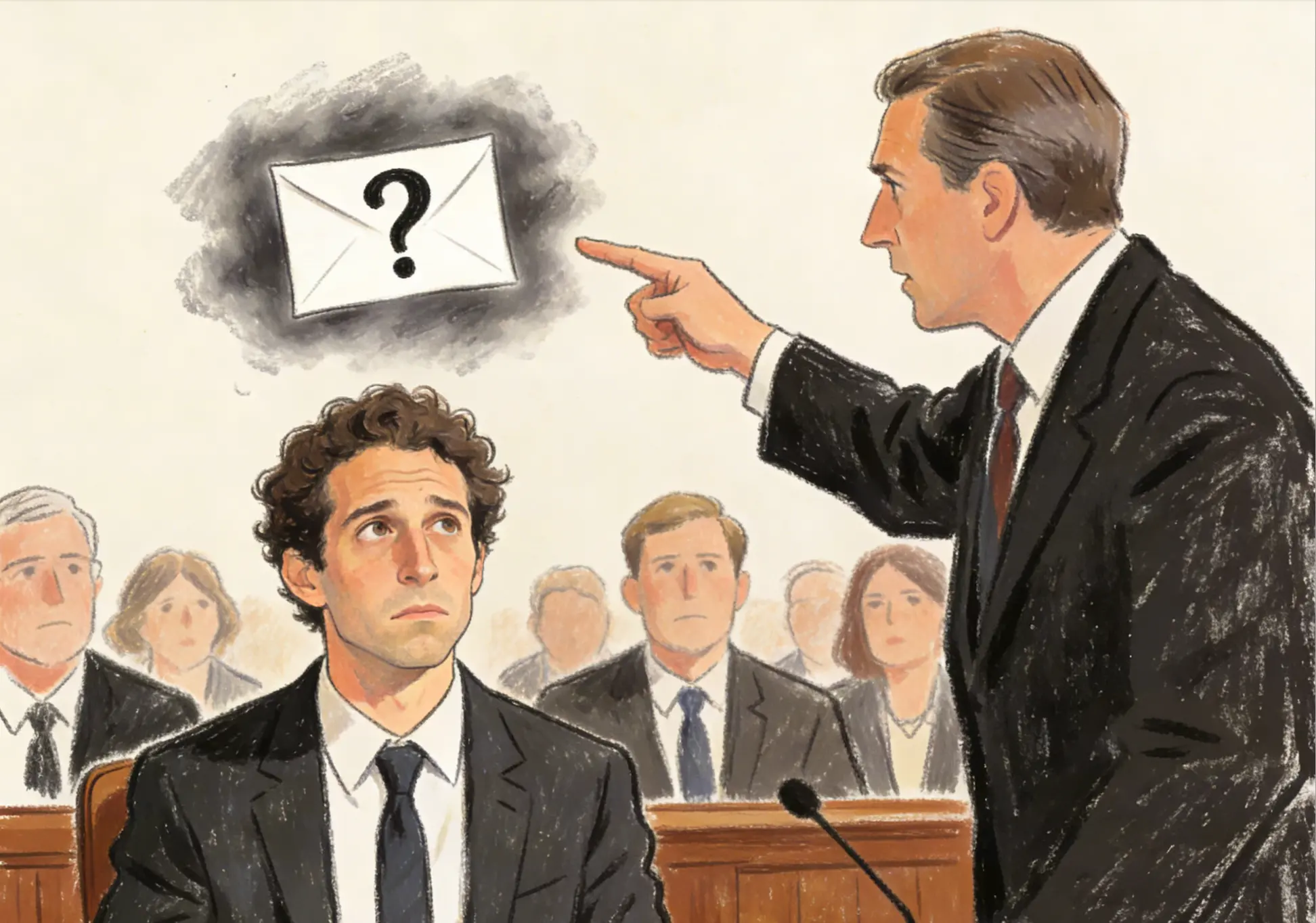
 Federal prosecutors have raised doubts about the authenticity of a letter submitted to the court in support of Sam Bankman-Fried’s motion for a new trial, noting that the document was shipped via FedEx from Palo Alto or Menlo Park, California—rather than from the federal prison where he is incarcerated—and carried a typed digital signature instead of a handwritten one.
In response, Judge Lewis Kaplan ordered Bankman-Fried to submit a sworn statement by April 15, 2026, clarifying who actually prepared his court filings and whether attorneys were involved. The ruling adds a procedural layer to Bankman-Fried’s ongoing effort to overturn his 2023 fraud conviction, while the former FTX CEO has separately made public statements praising President Donald Trump’s policies, fueling speculation that he is seeking a presidential pardon.
Disputed Letter and Prosecution Concerns
Shipping Irregularities
The letter, dated March 16, 2026, was sent to the court via FedEx—a private carrier prohibited for inmate mail under Bureau of Prisons regulations. Prosecutors noted that shipping data indicated the package originated in Palo Alto or Menlo Park, California, rather than from Terminal Island prison where Bankman-Fried is serving a 25-year sentence. The envelope also mislabeled the facility as a state prison rather than a federal institution.
Signature and Authenticity
The document bore a typed “/s/” signature rather than a handwritten one, a format typical of electronic legal filings rather than physical prison correspondence. Prosecutors did not accuse Bankman-Fried or his associates of fabricating the document but stated that the discrepancies provided “reason to doubt” that the letter was actually sent by him.
Court’s Disclosure Order
Sworn Statement Requirement
Judge Lewis Kaplan ordered Bankman-Fried to submit a sworn statement by April 15 clarifying whether he wrote his court filings himself or received assistance from lawyers. If attorneys were involved, he must identify them. The judge also ruled that any future filings must include the same disclosure.
Focus on Transparency
The order does not rule on the merits of Bankman-Fried’s new trial motion, which argues that he did not receive a fair trial and cites the later recovery of customer funds through the FTX bankruptcy process as new evidence. Instead, the ruling addresses procedural transparency and compliance with basic court rules.
Separate Pardon Speculation
Public Statements Supporting Trump
Through prison-approved intermediaries, Bankman-Fried has recently made public statements supporting President Trump’s policies, including strikes against Iran and the replacement of former SEC Chair Gary Gensler with Paul Atkins. Observers have noted that such public alignment with the president could be part of an effort to seek a pardon, following Trump’s 2025 commutation of Ross Ulbricht’s life sentence.
Legal and Political Context
Bankman-Fried’s conviction stemmed from one of the largest financial collapses in crypto history, with FTX’s 2022 bankruptcy causing millions of customers to lose access to funds. While the FTX Recovery Trust has since returned billions to creditors, appellate judges have signaled skepticism toward arguments that post-bankruptcy recoveries warrant a new trial, emphasizing that the original case turned on how customer funds were used and represented at the time.
Frequently Asked Questions
Why did prosecutors question the letter submitted in support of Bankman-Fried’s retrial?
Prosecutors noted that the letter was shipped via FedEx—a private carrier inmates are barred from using—and originated in Palo Alto or Menlo Park, California, rather than from Terminal Island prison where Bankman-Fried is incarcerated. The document also carried a typed digital signature rather than a handwritten one, raising doubts about its authenticity.
What did Judge Kaplan order Bankman-Fried to do?
Judge Lewis Kaplan ordered Bankman-Fried to submit a sworn statement by April 15, 2026, disclosing who actually prepared his court filings and whether attorneys were involved. Future filings must include the same disclosure, though the order does not rule on the merits of his new trial motion.
Is Sam Bankman-Fried seeking a presidential pardon?
Bankman-Fried has not formally requested a pardon, but he has made public statements through intermediaries praising President Trump’s policies on Iran, SEC leadership, and other matters. Observers have noted parallels with Trump’s 2025 commutation of Ross Ulbricht’s sentence, fueling speculation that he is positioning himself for potential clemency.
Disclaimer: The information on this page may come from third parties and does not represent the views or opinions of Gate. The content displayed on this page is for reference only and does not constitute any financial, investment, or legal advice. Gate does not guarantee the accuracy or completeness of the information and shall not be liable for any losses arising from the use of this information. Virtual asset investments carry high risks and are subject to significant price volatility. You may lose all of your invested principal. Please fully understand the relevant risks and make prudent decisions based on your own financial situation and risk tolerance. For details, please refer to
Disclaimer.


