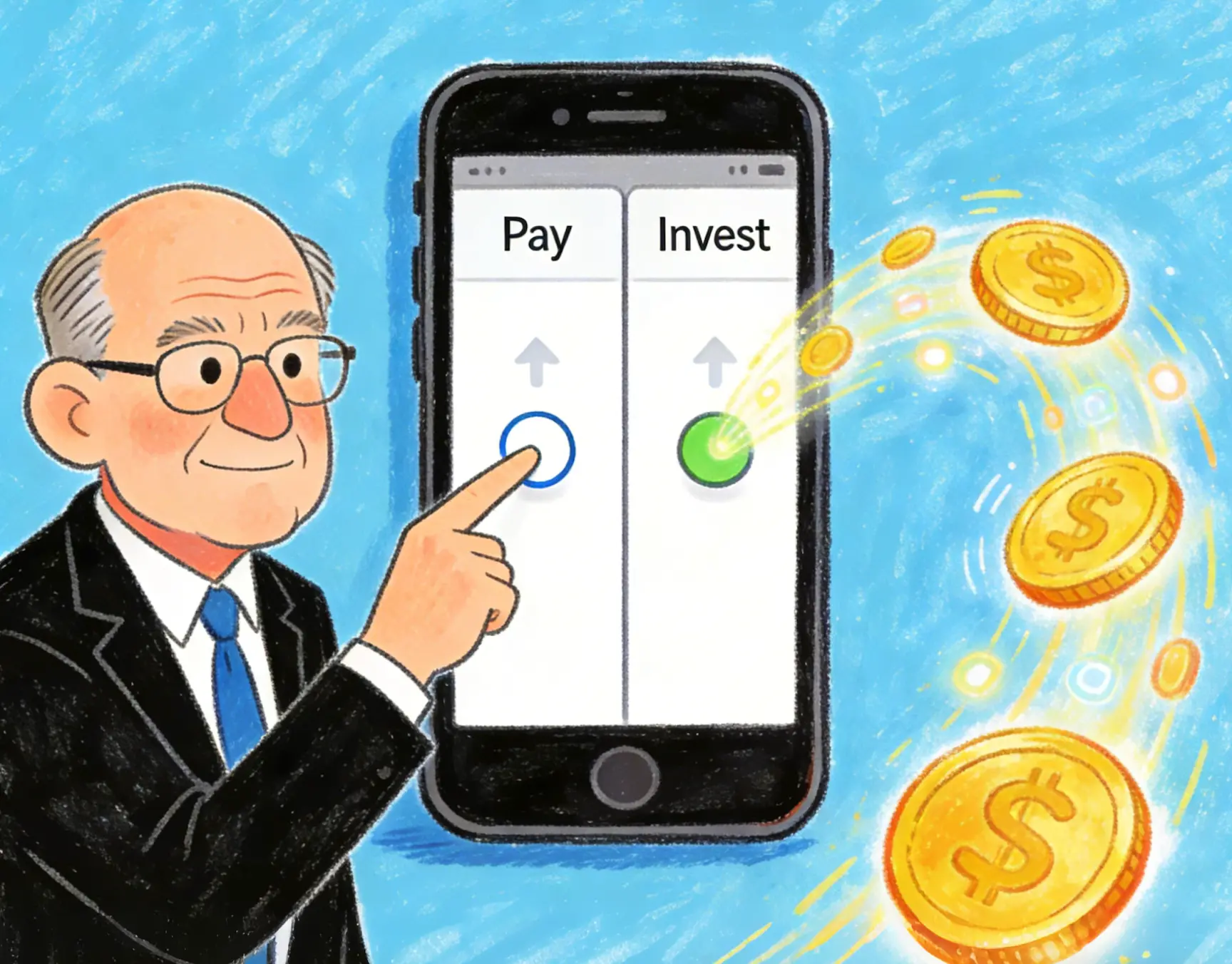
 BlackRock Chairman and CEO Larry Fink used his annual shareholder letter, released on March 23, 2026, to argue that tokenization of traditional assets could modernize the financial system by enabling the world’s 5.4 billion smartphone users to invest as easily as they send payments.
Fink framed digital asset infrastructure as a solution to systemic challenges, stating that “half the world’s population carries a digital wallet on their phone,” and that tokenization could “update the plumbing of the financial system—making investments easier to issue, easier to trade, and easier to access.” The comments come as U.S. regulators, including the Securities and Exchange Commission (SEC), have recently approved Nasdaq’s pilot program for trading tokenized securities, signaling growing institutional acceptance of blockchain-based market infrastructure.
Tokenization as a Tool for Inclusion
Expanding Investor Access
In his second consecutive annual letter focused on tokenization, Fink shifted emphasis from last year’s technological efficiency arguments to a broader vision of financial inclusion. He noted that while the current financial system has delivered gains, those benefits have disproportionately accrued to those who already own assets, leaving many workers excluded from market growth.
“Capitalism is working—just not for enough people,” Fink wrote. He argued that tokenization could help address this imbalance by allowing a regulated digital wallet to hold not just payments, but also tokenized bonds, exchange-traded funds (ETFs), and fractional interests in assets such as infrastructure or private credit. “Imagine if that same digital wallet could also let you invest in a broad mix of companies for the long term—as easily as sending a payment,” he stated.
Modernizing Market Infrastructure
Fink compared tokenization to the internet in 1996, suggesting it will not replace traditional finance overnight but will gradually connect old and new systems. He called on policymakers to build that bridge “as quickly and safely as possible” and advocated for clear buyer protections, counterparty-risk standards, and digital identity checks to mitigate illicit finance risks.
Regulatory and Market Developments
SEC and Nasdaq Embrace Tokenization
Fink’s letter follows significant regulatory momentum. Last week, the SEC approved Nasdaq’s pilot program for trading tokenized shares under a framework developed with the Depository Trust Company (DTC). The program allows eligible participants to settle stock trades in tokenized form, with tokenized equities sharing the same order book and execution priority as traditional shares.
Under Chairman Paul Atkins, the SEC has advanced crypto-related rulemaking, including a potential “innovation exemption” for onchain securities. On Monday, Nasdaq and digital asset firm Talos announced a partnership to make tokenized collateral usable for institutional investors. Nasdaq Executive Vice President Roland Chai stated: “This partnership builds on a series of strategic initiatives designed to converge on- and off-chain market ecosystems, while preserving the liquidity, transparency and integrity of regulated markets.”
Wall Street’s Digital Asset Push
BlackRock has emerged as one of the most proactive traditional asset managers in digital assets. The firm manages approximately $65 billion in stablecoin reserves, nearly $80 billion in digital asset exchange-traded products, and its USD Institutional Digital Liquidity Fund (BUIDL) is the largest tokenized fund in the world with approximately $2.2 billion in assets under management. Combined, BlackRock now oversees approximately $150 billion in assets connected to digital markets.
Fink’s endorsement of tokenization comes as other Wall Street giants also deepen their engagement with digital assets. Goldman Sachs, the second-largest investment bank globally, last year acknowledged the prevalence of cryptocurrencies in its annual shareholder letter for the first time, noting that “the growth of electronic trading and the introduction of new products and technologies, including trading and distributed ledger technologies, such as cryptocurrencies, and AI technologies, has increased competition.”
Broader Economic Context
Systemic Pressures on U.S. Finance
Fink’s letter also addressed deeper structural issues in the U.S. financial system, warning that banks, corporations, and governments can no longer fund large economic shifts on their own, particularly as the country works to rebuild manufacturing capacity, expand energy supply, and compete in artificial intelligence. He argued that Social Security remains a critical safety net but may need structural reform, including some exposure to long-term market returns, to remain sustainable.
For Fink, tokenization sits within this larger picture—not as a speculative bet but as infrastructure that could help more people become investors rather than bystanders in the economy.
Frequently Asked Questions
What did Larry Fink say about tokenization in his 2026 shareholder letter?
Fink argued that tokenization could democratize investing by allowing the billions of people who carry digital wallets on their phones to invest in a broad mix of assets as easily as sending a payment. He framed tokenization as a way to “update the plumbing of the financial system,” making investments easier to issue, trade, and access, while calling for clear regulatory frameworks to support the transition.
What recent regulatory developments support tokenization?
The SEC recently approved Nasdaq’s pilot program for trading tokenized shares, allowing eligible participants to settle stock trades in tokenized form alongside traditional shares. Nasdaq also partnered with Talos to make tokenized collateral usable for institutional investors. Under SEC Chairman Paul Atkins, the agency has advanced crypto-related rulemaking, including exploring an innovation exemption for onchain securities.
How is BlackRock positioned in digital assets?
BlackRock manages approximately $65 billion in stablecoin reserves, nearly $80 billion in digital asset exchange-traded products, and its BUIDL fund is the largest tokenized fund in the world, with approximately $2.2 billion in assets under management. Combined, the firm oversees approximately $150 billion in assets connected to digital markets, positioning it as a leader in the sector.
Disclaimer: The information on this page may come from third parties and does not represent the views or opinions of Gate. The content displayed on this page is for reference only and does not constitute any financial, investment, or legal advice. Gate does not guarantee the accuracy or completeness of the information and shall not be liable for any losses arising from the use of this information. Virtual asset investments carry high risks and are subject to significant price volatility. You may lose all of your invested principal. Please fully understand the relevant risks and make prudent decisions based on your own financial situation and risk tolerance. For details, please refer to
Disclaimer.


