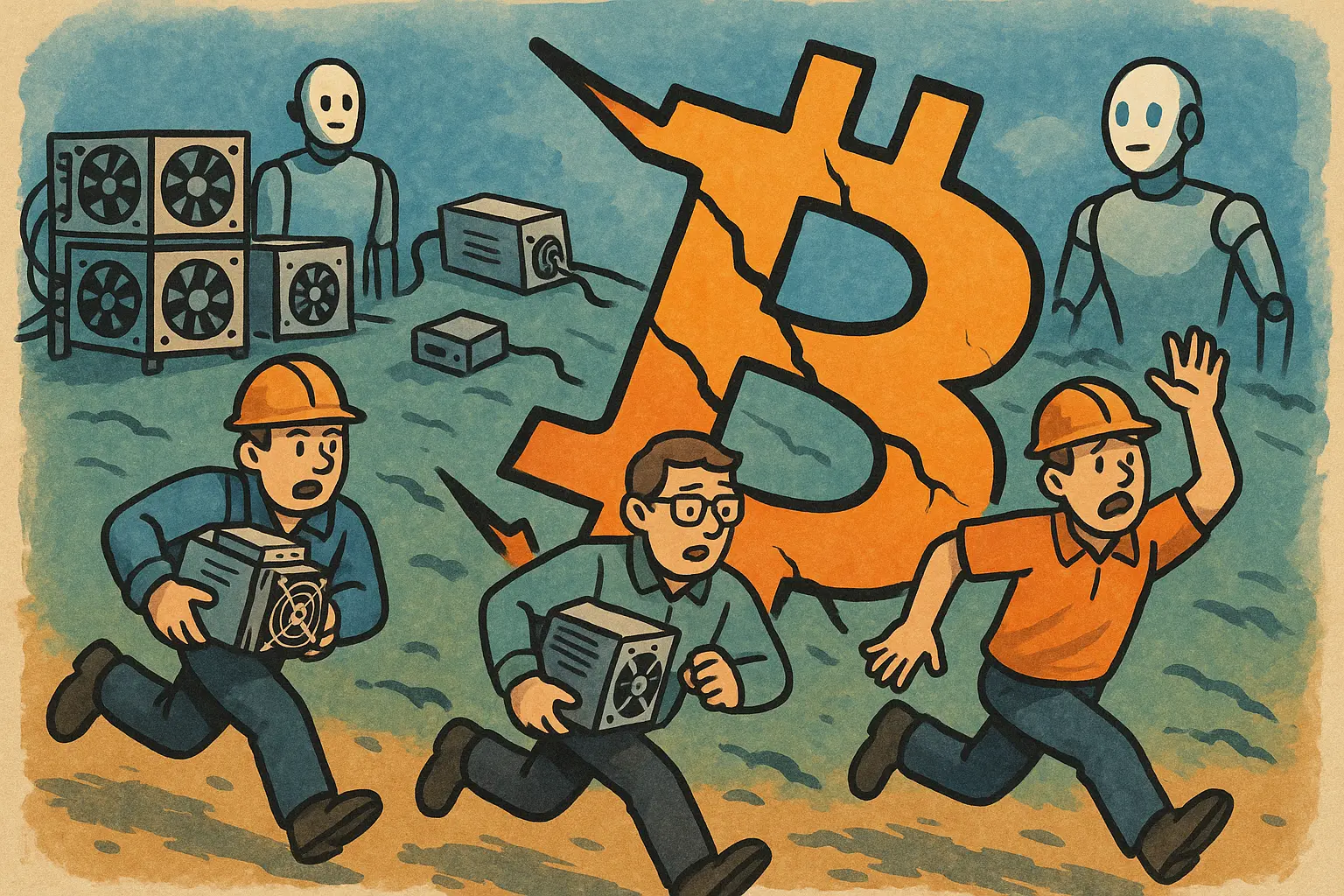
According to data from CloverPool and CoinWarz, Bitcoin mining difficulty decreased by 7.76% during the bi-weekly adjustment on Saturday, dropping to 133.79 trillion. The block height is 941,472, marking the second-largest negative adjustment since 2026. The current hash rate has fallen back to approximately 903 to 948 EH/s, well below the 2025 peak of 1 zettahash (ZH/s).
Difficulty Adjustment Data: Trigger Mechanism for Consecutive 10% Decline
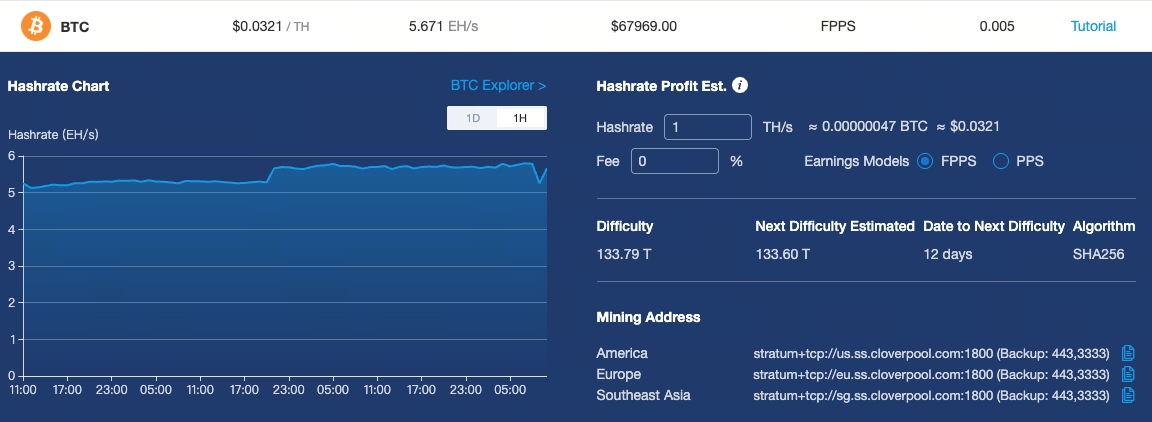
(Source: CloverPool)
Based on CloverPool data, the average block time in the previous epoch extended to about 12 minutes and 36 seconds, significantly exceeding the Bitcoin protocol’s 10-minute target, automatically triggering a downward recalibration. Currently, Bitcoin mining difficulty has decreased by about 10% from the 148 trillion at the start of the year and is far below the nearly 155 trillion high reached in November 2025.
This round of difficulty decline has multiple causes: in early February, the winter storm “Fern” caused approximately 200 EH/s of hash rate to shut down, leading to an 11% drop in Bitcoin mining power and a simultaneous drop in price below $70,000; on February 20, a strong rebound of 14.7% occurred, but it was short-lived, and hash rate quickly declined again. According to CoinWarz predictions, the next difficulty adjustment is expected in early April, potentially leading to further declines.
Mining Industry’s AI Transformation Wave: Major Miners’ Strategic Shifts
The decline in Bitcoin mining difficulty not only reflects cyclical pressure but also indicates an accelerated structural transformation within the industry. Matthew Sigel, Head of Digital Asset Research at VanEck, states that miners with large power capacities are “sitting on a gold mine” for AI applications, a judgment driving strategic shifts among miners.
Major Miners’ AI Transformation Trends
Core Scientific: Announced plans to sell most of its Bitcoin reserves in 2026 to fund AI and high-performance computing (HPC) expansion.
Bitdeer: Fully liquidated its Bitcoin holdings in February, becoming the largest publicly traded miner with zero Bitcoin holdings.
HIVE Digital Technologies: Recently launched its first AI GPU cluster in Paraguay, officially handling non-Bitcoin computational workloads.
Other Miners’ Diversification Strategies: Cango, Riot Platforms, TeraWulf, IREN, CleanSpark, and Bitfarms have all adopted similar diversification strategies in recent quarters.
The Block’s 2026 mining outlook warns that if this trend continues, Bitcoin hash rate will face long-term pressure, potentially weakening the security of the Bitcoin network over time.
Survival Pressure: Structural Challenges with Price Below Cost
Currently, Bitcoin trades at about $70,370, well below the estimated production costs by major institutions. JPMorgan estimated in February that, as high-cost miners exit, the industry’s average production cost has fallen from around $90,000 to $77,000, but this figure still exceeds the current price.
According to Luxor’s hash rate index, the hash price is around $33.30 per PH/s/day, near or below breakeven for most mining hardware; on February 23, it even hit a historic low of about $28 per PH/s/day.
Cost-revenue structures are also deteriorating. Transaction fees now account for about 1% of miners’ total revenue, down sharply from approximately 7% in 2024, making miners almost entirely dependent on block rewards, i.e., Bitcoin’s spot price. VanEck’s Thursday report states that miners hold about 684,000 BTC, a 0.5% decrease year-over-year, but during the reporting period, miners sold all newly issued Bitcoin. Notably, VanEck’s December research shows that during periods of declining Bitcoin hash rate historically, there is a 65% probability of positive returns over 90 days, providing some statistical basis for long-term holders.
FAQs
Q: Why did Bitcoin mining difficulty decrease by 7.8% in March?
This decline was triggered by two factors: first, the previous epoch’s average block time extended to 12 minutes and 36 seconds, exceeding the 10-minute protocol target, automatically triggering recalibration; second, more miners are shifting hash power to AI workloads, causing overall Bitcoin hash rate to fall to 903–948 EH/s.
Q: What does the hash price indicate about miners’ profitability?
Hash price measures expected daily revenue per PH/s and is a core indicator of miner profitability. The current level of about $33.30 per PH/s/day is near breakeven for most mining hardware, with some high-cost miners already incurring losses. This financial pressure is a direct driver for miners to accelerate their AI business transformation.
Q: Will large-scale AI transformation by miners impact Bitcoin network security?
The Block’s 2026 mining outlook warns that if publicly traded miners continue shifting infrastructure toward AI, the long-term structural decline in hash rate could gradually weaken Bitcoin’s resistance to attacks. Hash rate has already fallen more than 10% from the 2025 peak of 1 ZH/s; if this trend persists, the Bitcoin mining ecosystem may become highly concentrated among a few large miners.
Disclaimer: The information on this page may come from third parties and does not represent the views or opinions of Gate. The content displayed on this page is for reference only and does not constitute any financial, investment, or legal advice. Gate does not guarantee the accuracy or completeness of the information and shall not be liable for any losses arising from the use of this information. Virtual asset investments carry high risks and are subject to significant price volatility. You may lose all of your invested principal. Please fully understand the relevant risks and make prudent decisions based on your own financial situation and risk tolerance. For details, please refer to
Disclaimer.


