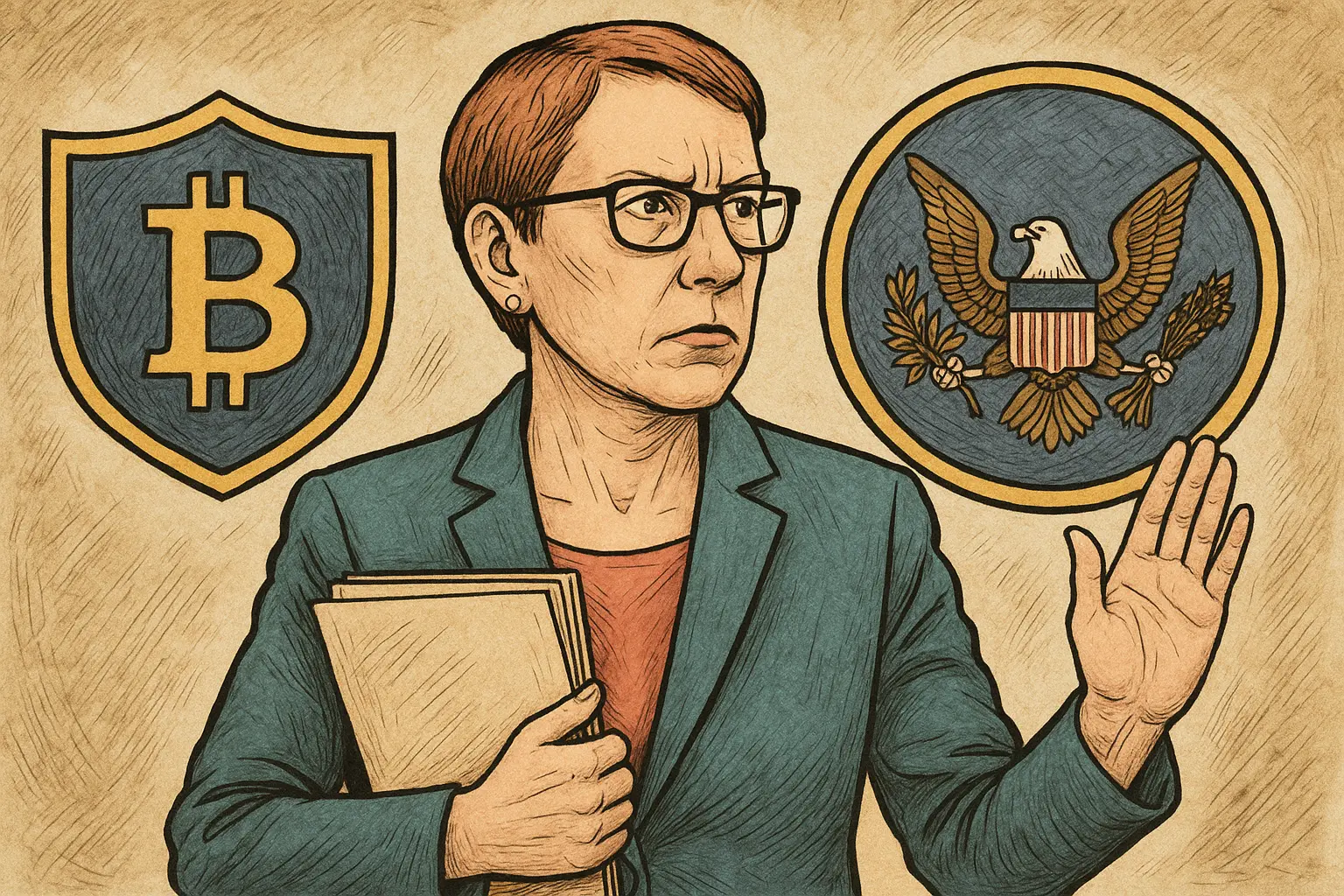
Known as the “Crypto Mom,” U.S. Securities and Exchange Commission (SEC) Commissioner Hester Peirce clarified on Thursday at the Investor Advisory Committee (IAC) meeting that SEC staff are developing innovative exemptions for tokenized securities, but the approach will be much narrower than the scope suggested in the original draft proposal. Her statement marks a shift in SEC’s regulatory approach to tokenized securities, moving from early discussions of broad exemptions toward a framework that emphasizes investor protection.
Background of the “Narrower” Exemption: IAC Opposes a One-Size-Fits-All Regulatory Shift
The key force behind the narrowing of this exemption framework is the Market Structure Subcommittee under the IAC. In a letter submitted on February 26, the subcommittee explicitly opposed establishing a broad “one-size-fits-all” innovative exemption for tokenized securities, citing concerns that such an approach could weaken core investor protections, including:
Ownership Transparency: Broad exemptions could obscure disclosure obligations related to securities ownership.
Intermediary Regulation: Bypassing oversight of intermediaries could introduce new risks.
Market Order Protections: Mechanisms to safeguard market order integrity, similar to traditional stock markets, might be compromised.
The IAC recommends a targeted “rule-by-rule” reform approach, with each change subject to public notice and comment before approval. Peirce confirmed at the Thursday meeting that the SEC’s direction is to adopt this more cautious path.
IAC Also Recognizes the Core Advantages of Tokenization
Despite opposing broad exemptions, the IAC report objectively lists potential benefits of tokenized securities, noting that these advantages provide a reasonable basis for regulatory reform:
Atomic Settlement: Blockchain technology enables synchronized clearing of transactions, eliminating delays and counterparty risks inherent in traditional T+2 settlement processes, representing an efficiency improvement.
Reducing Information Gaps: Tokenization structures have the potential to improve transparency by providing real-time, direct on-chain information, reducing asymmetries between companies and shareholders.
The IAC also points out that “equity security tokenization remains in very early stages and involves complex technological development,” and therefore recommends high-level issues and principles as the basis for proposals, believing that “principle-based recommendations are the most practical and beneficial at this stage.”
SEC Chair Atkins Signals a Timeline
At the same IAC meeting, SEC Chair Paul Atkins commented on the timeline for advancing innovative exemptions, expecting the committee to “consider a pioneering exemption soon,” which would give the SEC enough time to systematically develop a long-term regulatory framework for tokenized securities based on experimental exemptions.
Currently, tokenized securities in the U.S. are fully subject to federal securities laws, requiring compliance with existing registration, disclosure, regulation, and settlement procedures. Once the innovative exemption is finalized, it could allow controlled testing of more advanced decentralized trading models while maintaining necessary investor protections.
Frequently Asked Questions
Q: Why is the SEC establishing an “exemption” for tokenized securities instead of directly amending existing rules?
Innovative exemptions are more flexible regulatory tools that allow safe spaces for specific experimental activities without comprehensive legal overhaul. Given the rapid evolution of tokenization technology and markets, exemptions enable regulators and market participants to gain practical experience, which can inform the development of more robust long-term rules, avoiding regulations that become quickly outdated.
Q: How does the IAC’s “rule-by-rule” approach differ fundamentally from a “broad exemption”?
A “broad exemption” would temporarily exempt tokenized securities as a whole category from many existing securities rules, risking a loss of detailed oversight. The “rule-by-rule” approach evaluates each regulation individually for exemption suitability, with public comment procedures, allowing market participants and the public to provide input on each specific reform, thereby reducing systemic regulatory blind spots.
Q: Why does “Crypto Mom” have a special influence within the SEC crypto community?
Hester Peirce has been known since 2018 as one of the few friendly voices toward the crypto industry, frequently opposing SEC enforcement actions against crypto firms and dissenting on Bitcoin ETF rejection decisions. Her openness to technological innovation and ongoing criticism of overregulation have earned her the nickname “Crypto Mom,” making her a symbol of the SEC’s crypto-friendly stance.
Disclaimer: The information on this page may come from third parties and does not represent the views or opinions of Gate. The content displayed on this page is for reference only and does not constitute any financial, investment, or legal advice. Gate does not guarantee the accuracy or completeness of the information and shall not be liable for any losses arising from the use of this information. Virtual asset investments carry high risks and are subject to significant price volatility. You may lose all of your invested principal. Please fully understand the relevant risks and make prudent decisions based on your own financial situation and risk tolerance. For details, please refer to
Disclaimer.


