Within the Jupiter ecosystem, the JUP token is not only used for governance decisions but is also closely tied to community incentives, ecosystem development, and protocol participation mechanisms. As Jupiter continues to expand its influence within the Solana DeFi trading infrastructure, JUP has gradually become an important mechanism connecting protocol governance with community engagement.
Through governance mechanisms, Active Staking Rewards (ASR), and integration across multiple product use cases, JUP forms a tokenomic structure within the Jupiter ecosystem that centers on governance participation, incentive alignment, and ecosystem coordination.
Introduction To Jupiter
Jupiter is a decentralized exchange aggregation protocol within the Solana ecosystem. Its primary function is to integrate liquidity from multiple decentralized trading platforms and provide users with optimized trading routes through intelligent routing algorithms.
In the Solana DeFi environment, different decentralized exchanges usually maintain separate liquidity pools. Jupiter aggregates these liquidity sources and enables trades to automatically search across multiple platforms for the most efficient pricing. This process improves trading efficiency while reducing slippage for users.
As the ecosystem has expanded, Jupiter has gradually developed a broader infrastructure centered on liquidity routing, trade optimization, and community governance. Within this framework, the JUP token plays an important role in coordinating governance participation and ecosystem incentives.
The Core Role Of JUP In The Jupiter Ecosystem
Within the Jupiter ecosystem, JUP primarily serves governance and incentive functions, and it is integrated across multiple product and community scenarios.
First, JUP acts as the governance token of the Jupiter DAO. Token holders can participate in governance voting by staking their tokens and contribute to decisions related to protocol development, fee structures, and ecosystem incentive programs.
Second, JUP functions as a key instrument for ecosystem incentives. Through reward programs, community campaigns, and collaborative initiatives, the token is used to encourage users and developers to participate in building and expanding the Jupiter ecosystem.
In addition, JUP helps connect different product modules within the protocol, including DEX aggregation trading, the LFG Launchpad, and ecosystem partnerships. Through these interactions, JUP helps establish a value flow between users, the protocol, and ecosystem projects.
JUP Supply Structure And Distribution Mechanism
The JUP token was initially designed with a maximum supply of 10 billion tokens. In the original distribution structure, 50 percent of the supply was managed by the team while the remaining 50 percent was allocated to the community. Unlike many crypto projects, Jupiter did not conduct a traditional token sale. The team emphasized a community first principle, arguing that the token’s long term value should be driven by community consensus and ecosystem growth rather than early investor allocations.
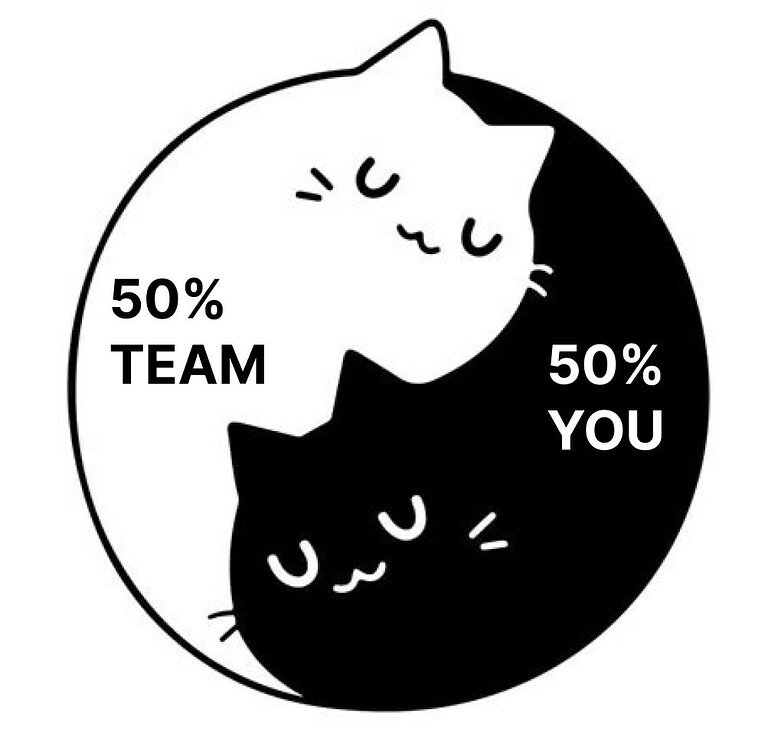
The following illustrates the early distribution structure of the JUP token:
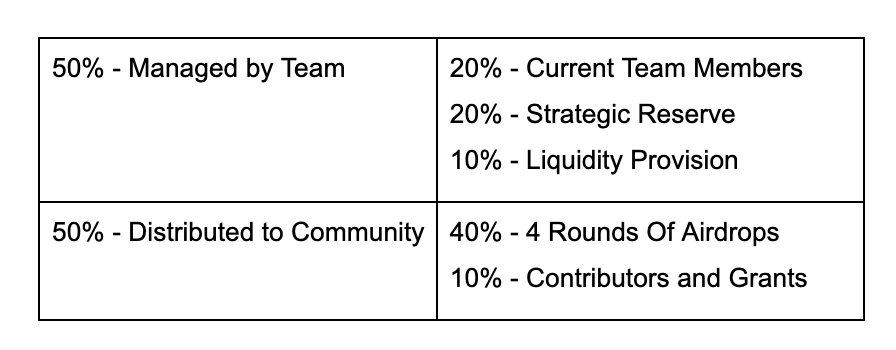 Image source: Jupiter co founder meow on X
In January 2025, the Jupiter community approved a governance proposal that adjusted the token supply structure. As part of this change, 30 percent of the supply was permanently removed through a token reduction and burn process. After the adjustment, the total supply of JUP decreased to 7 billion tokens while the overall allocation balance between the team and the community remained unchanged.
At the same time, the protocol’s fee mechanism was redesigned. Under the new structure, 50 percent of protocol revenue is used to buy back JUP tokens and lock them for three years. The remaining 50 percent is allocated to an ecosystem development fund intended to support future growth and innovation within the Jupiter network.
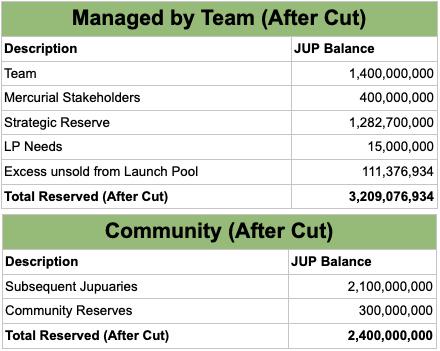 Image source: JUP community audit, February 2025
In early 2026, the Jupiter community began discussing whether the buyback mechanism should be paused. Some participants argued that when token price performance is weak, the long term effectiveness of buybacks may require further evaluation. Following community debate, a governance proposal was approved to gradually reduce the net future token emissions toward zero.
These changes illustrate how the Jupiter DAO governance framework continues to refine and adjust the tokenomics model over time in response to market conditions and community feedback.
The following chart summarizes the current distribution and allocation proportions of JUP tokens based on data compiled by Tokenomist:
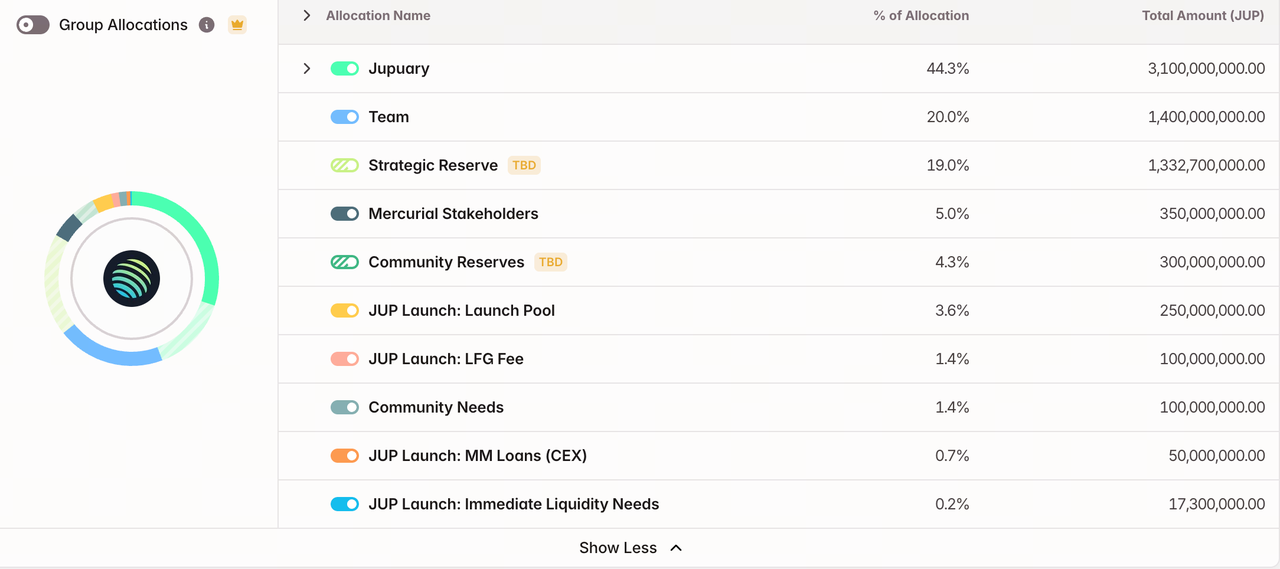
Image source: Tokenomist
Governance Power: How Jupiter DAO Operates
Jupiter implements community governance through a decentralized autonomous organization known as the Jupiter DAO. JUP token holders can obtain voting power by staking their tokens and participate in key protocol decisions that shape the future of the ecosystem.
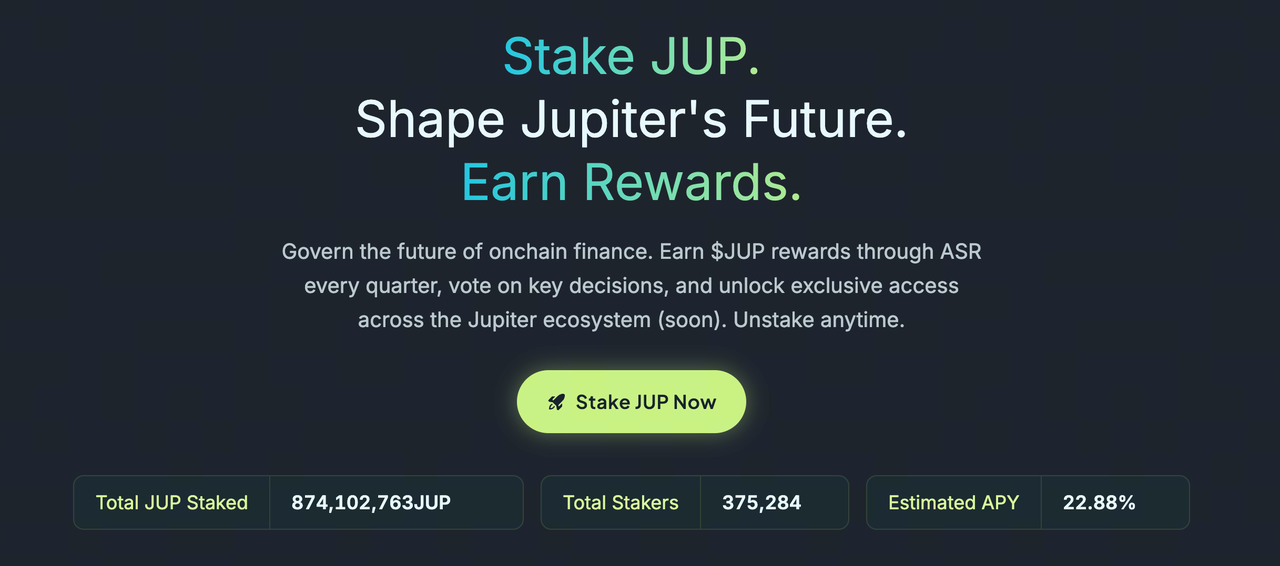
Within the Jupiter governance framework, proposals are typically discussed by the community before being submitted for formal voting. This process allows token holders to collectively evaluate potential changes to the protocol and decide how resources and incentives should be allocated.
Common governance topics within the Jupiter DAO include:
-
Trading fee structures and how fees are distributed between the protocol treasury and incentive pools
-
Rules for selecting new projects on the LFG Launchpad, including allocation models and participation requirements
-
Liquidity mining programs, market making incentives, and reward budgets for partner decentralized applications
-
Tokenomic adjustments such as token burns, supply restructuring, emission changes, and long term incentive programs
Through this governance structure, Jupiter attempts to align the interests of users, developers, and ecosystem partners while allowing the protocol to evolve as the Solana DeFi landscape changes.
Value Capture: From Active Staking Rewards To Protocol Governance
Active Staking Rewards, commonly referred to as ASR, form one of the core incentive mechanisms for governance participation within the Jupiter ecosystem. Under this system, users who stake JUP and participate in governance voting can receive rewards based on their voting power and level of participation.
The reward distribution generally reflects two factors: the proportion of governance voting power held by the participant and their activity level in governance proposals. Participants who stake more tokens and engage more actively in voting can receive a larger share of the rewards.
Funding for ASR rewards comes from several sources within the Jupiter ecosystem. Part of the funding is derived from protocol product revenues, such as fees generated by products like the LFG Launchpad. Additional rewards are distributed from a dedicated JUP incentive pool reserved for ecosystem participation.
In some cases, rewards are distributed in a staked form after being claimed, which encourages continued participation in governance and reinforces long term commitment to the protocol. This design aims to create a reinforcing cycle in which governance participation strengthens both user influence and ecosystem engagement.
Through this structure, the JUP token forms a value loop within the ecosystem. Protocol products generate trading and launchpad related fees. A portion of these revenues flows into reward pools and the protocol treasury. JUP holders who stake tokens and participate in governance receive rewards based on their voting power and participation. These rewards may then be restaked, increasing governance influence and reducing circulating supply.
In this way, the activity level of the protocol and the incentives received by token holders become partially connected.
Cross Product Utility Of JUP In The Ecosystem
As Jupiter continues to expand its product ecosystem, the use cases of the JUP token have gradually increased.
Within Jupiter’s trading and aggregation products, JUP can be used in incentive programs to reward market makers and liquidity providers. These incentives encourage more liquidity to flow into the pools connected through Jupiter’s routing infrastructure, which helps improve pricing efficiency and reduce slippage.
In new token issuance scenarios such as the LFG Launchpad, JUP can be used together with project tokens for allocation incentives, whitelist rewards, or airdrop eligibility. For example, additional rewards or participation access may be determined based on JUP staking balances or governance participation levels.
In addition, JUP is used in several ecosystem incentive scenarios, including:
-
Joint incentive programs with ecosystem partner projects
-
Trading mining campaigns or community reward events
-
Strategy trading and quantitative market making activities
Within the broader Solana ecosystem, JUP may also function as a high liquidity governance asset integrated into lending protocols, LSDFi strategies, and structured products, which can improve the capital efficiency and utilization of the asset.
Conclusion
Overall, JUP functions as more than a simple transactional token. It operates as a governance centered asset within the Jupiter ecosystem. The tokenomics model surrounding JUP is built around community participation, protocol governance, and ecosystem incentives, reflecting a broader shift in decentralized finance toward community driven development.
Through mechanisms such as supply reduction, long term token locking, and Active Staking Rewards, Jupiter aims to align the interests of token holders with the long term development of the protocol. At the same time, expanding use cases across multiple products help position JUP as a coordinating asset that connects different participants throughout the Jupiter ecosystem.
FAQs
What Is The Use Of The JUP Token In Jupiter?
JUP is primarily used for governance participation, ecosystem incentives, and decision making within the Jupiter DAO. Token holders can stake JUP to obtain voting power and participate in proposals that influence protocol development, incentive programs, and other ecosystem initiatives.
Can The Total Supply Of JUP Change In The Future?
The total supply of JUP was reduced from 10 billion tokens to approximately 7 billion after a supply reduction and token burn approved by community governance. If further adjustments to the supply structure are needed in the future, such as additional burn plans or new incentive programs, they would typically require approval through the Jupiter DAO governance proposal and voting process.
What Is Jupiter ASR?
ASR, or Active Staking Rewards, is Jupiter’s governance participation incentive mechanism. It encourages users to stake JUP and actively participate in governance voting by distributing rewards to engaged participants.
How Can Users Receive ASR Rewards?
The general process includes staking JUP through a supported interface in order to obtain voting power and participating in governance votes within the Jupiter DAO. At the beginning of each reward cycle, users can claim their ASR rewards through the designated platform interface. Official announcements regarding claim periods are typically published through Jupiter’s official communication channels. In some reward cycles, part of the distributed rewards may automatically remain staked, which increases future governance voting power.
Will There Be Future JUP Airdrops?
Jupiter has indicated plans to conduct multiple rounds of community airdrops designed to reward ecosystem participants. These distributions are generally intended to recognize users who actively contribute to the growth and activity of the Jupiter ecosystem.







