What is GRT: Understanding The Graph Protocol and Its Native Token

2025-09-16 01:02:27
Blockchain
Crypto Ecosystem
DeFi
Ethereum
Web 3.0
Article Rating : 3
0 ratings
This article offers an in-depth exploration of The Graph Protocol, focusing on its significance in blockchain data indexing and the utility of its native token, GRT. It addresses the increasing demand for decentralized applications (dApps) and efficient query systems, featuring The Graph’s technical architecture, community-driven developments, and market performance. The text provides practical insights for developers, crypto enthusiasts, and investors by detailing the protocol's operational mechanics, key milestones, strategic collaborations, and future roadmap. Discover how The Graph shapes the Web3 infrastructure with comprehensive guides on participation and engagement.
What is GRT: Understanding The Graph Protocol and Its Native Token

The Graph's Positioning and Significance

In 2020, The Graph (GRT) was launched to address the challenge of efficiently indexing and querying blockchain data, particularly on Ethereum.

As a decentralized protocol for indexing and querying data from blockchains, The Graph plays a crucial role in the realm of decentralized applications (dApps) and blockchain data accessibility.

As of 2025, The Graph has become a fundamental infrastructure for the blockchain ecosystem, boasting a significant number of subgraphs and an active developer community. This article will delve into its technical architecture, market performance, and future potential.

Origin and Development History

Birth Background

The Graph was created in 2020 with the aim of simplifying blockchain data queries and making data more accessible. It emerged during the boom of decentralized finance (DeFi) and the growing need for efficient data indexing in the blockchain space.

The Graph's launch brought new possibilities for developers and users in the blockchain ecosystem, enabling easier access to on-chain data.

Important Milestones

  • 2020: Mainnet launch, achieving decentralized indexing and querying of blockchain data.
  • 2021: The Graph Network went live, introducing the GRT token and decentralized participation.
  • 2022: Expansion to support multiple blockchain networks beyond Ethereum.
  • 2023: Significant growth in the number of subgraphs and indexed data, surpassing previous records.

With support from its foundation and community, The Graph continues to optimize its technology, security, and real-world applications in the blockchain data space.

How Does The Graph Work?

Decentralized Control

The Graph operates on a decentralized network of computers (nodes) worldwide, free from control by any single entity. These nodes collaborate to index and serve blockchain data, ensuring system transparency and attack resistance, thus empowering users with greater data accessibility and network resilience.

Blockchain Core

The Graph's core functionality revolves around indexing blockchain data and making it easily queryable. It creates and maintains subgraphs, which are open APIs that allow anyone to query blockchain data efficiently.

Transactions and events on supported blockchains are processed, indexed, and made available through GraphQL APIs, forming a robust and accessible data layer for blockchain applications.

Ensuring Fairness

The Graph employs a unique approach to network participation and security:

  • Indexers stake GRT tokens to run nodes and process queries.
  • Curators signal on subgraphs by staking GRT, identifying valuable data sources.
  • Delegators participate by delegating GRT to indexers.

This system incentivizes network participants to maintain data accuracy and availability, with rewards distributed in GRT tokens.

Secure Transactions

The Graph utilizes cryptographic techniques to secure its operations:

  • Indexers use private keys to sign their work and claim rewards.
  • Public keys are used to verify identities and stake ownership.

This mechanism ensures the integrity of the indexing process and the security of the network. Additionally, The Graph implements various security measures to protect against potential vulnerabilities in subgraph deployments and query processing.

The Graph (GRT) Market Performance

Circulation Overview

As of September 16, 2025, The Graph's circulating supply is 10,477,670,000.99702 tokens, with a total supply of 10,800,262,816.04821.

Price Fluctuations

The Graph reached its all-time high of $2.84 on February 12, 2021. Its lowest price was $0.052051, occurring on November 22, 2022. These fluctuations reflect market sentiment, adoption trends, and external factors.

Click to view the current GRT market price
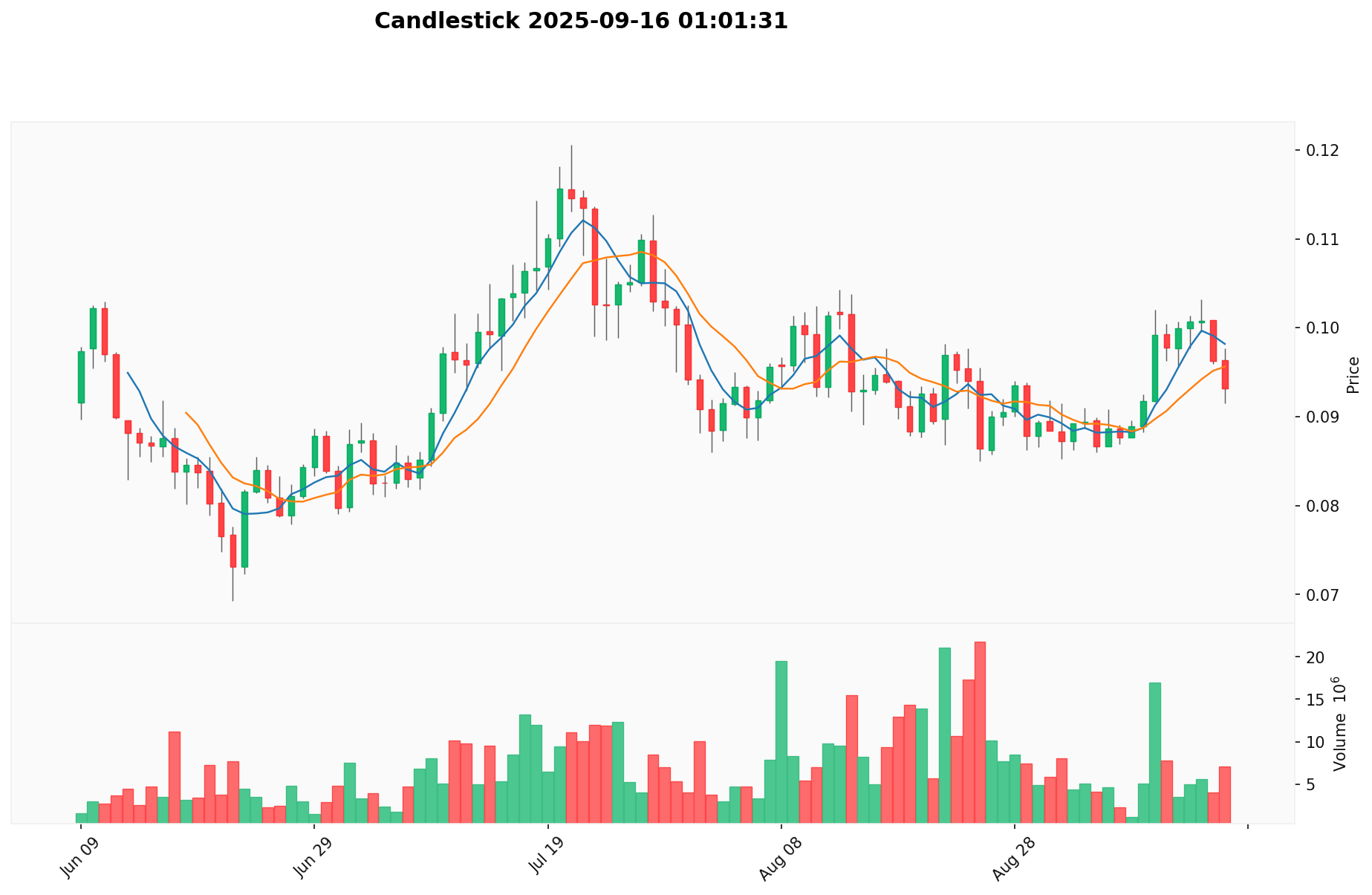
price-image

On-chain Metrics

  • Daily Transaction Volume: $666,796.9445273 (indicating network activity)
  • Active Addresses: 174,161 (reflecting user engagement)

The Graph Ecosystem Applications and Partnerships

Core Use Cases

The Graph's ecosystem supports various applications:

  • Data Indexing: Decentralized protocols like Uniswap use The Graph for efficient data querying and indexing.
  • DeFi: Projects such as Aave leverage The Graph for real-time data analytics and transaction insights.

Strategic Collaborations

The Graph has established partnerships with Ethereum, Polygon, and other major blockchain networks, enhancing its technological capabilities and market influence. These partnerships provide a solid foundation for The Graph's ecosystem expansion.

Controversies and Challenges

The Graph faces the following challenges:

  • Technical Issues: Scaling the network to meet growing demand
  • Regulatory Uncertainty: Potential classification as a security token
  • Competitive Pressure: Emergence of alternative blockchain indexing solutions

These issues have sparked discussions within the community and market, driving continuous innovation for The Graph.

The Graph Community and Social Media Atmosphere

Fan Enthusiasm

The Graph's community is vibrant, with over 170,000 token holders as of September 2025. On X platform, related posts and hashtags like #TheGraph frequently trend, with monthly post volumes reaching hundreds of thousands. New subgraph launches and protocol upgrades ignite community excitement.

Social Media Sentiment

Sentiment on X shows a mix of opinions:

  • Supporters praise The Graph's decentralized indexing capabilities and consider it the "Google of blockchains."
  • Critics focus on token price volatility and competition from centralized alternatives.

Recent trends indicate cautious optimism amidst market fluctuations.

Hot Topics

X users actively discuss The Graph's role in Web3 infrastructure, token economics, and governance model, highlighting both its transformative potential and the challenges in achieving mainstream adoption.


More Information Sources for The Graph

  • Official Website: Visit The Graph's official website for features, use cases, and latest updates.
  • White Paper: The Graph's technical documentation is available on their GitHub repositories, detailing its architecture, goals, and vision.
  • X Updates: On X platform, The Graph uses @graphprotocol, with over 250,000 followers as of September 2025, posting about technical upgrades, community events, and partnership news, generating significant engagement.

The Graph's Future Roadmap

  • 2026: Launch of enhanced subgraph composability, improving data query efficiency and cross-chain functionality
  • Ecosystem Goal: Support indexing for 100+ blockchain networks
  • Long-term Vision: Become the universal API for blockchain data retrieval and indexing

How to Participate in The Graph?

  1. Purchase Channels: Buy GRT on Gate.com
  2. Storage Solutions: Use Web3 wallets for secure storage
  3. Participate in Governance: Engage in community decisions through The Graph Council
  4. Build on the Ecosystem: Visit The Graph's developer documentation to create subgraphs or contribute code

Summary

The Graph is redefining blockchain data indexing, offering transparency, efficiency, and decentralized query capabilities. Its active community, rich resources, and strong market presence make it stand out in the cryptocurrency landscape. Despite facing scaling challenges and market volatility, The Graph's innovative spirit and clear roadmap position it as a crucial player in the future of decentralized technologies. Whether you're a newcomer or a seasoned participant, The Graph is worth watching and engaging with.

FAQ

What does GRT stand for?

GRT stands for The Graph. It's a decentralized protocol for indexing and querying data from blockchains, starting with Ethereum.

What is GRT in crypto?

GRT is the token of The Graph, a decentralized protocol for indexing and querying blockchain data. It powers a network of nodes that provide efficient access to on-chain information for developers.

What is GRT used for?

GRT is the utility token used on The Graph to pay for data queries and reward network participants. It incentivizes Indexers and Delegators to maintain the blockchain data indexing system.

What is GRT in finance?

GRT (The Graph) is a decentralized protocol for indexing and querying blockchain data, facilitating efficient data retrieval for dApps on Ethereum and other networks.

* The information is not intended to be and does not constitute financial advice or any other recommendation of any sort offered or endorsed by Gate.
Related Articles
How to Measure a Cryptocurrency's Community and Ecosystem Vitality?

How to Measure a Cryptocurrency's Community and Ecosystem Vitality?

This article provides a comprehensive analysis of measuring a cryptocurrency's community and ecosystem vitality, focusing on platforms like Twitter and Telegram for gauging social media presence. It evaluates community engagement through interaction quality and frequency while examining developer contributions via GitHub activity. The piece highlights the importance of understanding decentralized applications' (DApps) ecosystem size and user adoption metrics. Useful for investors and project managers, it identifies key engagement metrics essential for growth forecasting. Key terms include cryptocurrency community, ecosystem vitality, and user adoption.
2025-10-27 14:18:42
What Are the Biggest Crypto Security Breaches and How Can We Prevent Them?

What Are the Biggest Crypto Security Breaches and How Can We Prevent Them?

This article explores the monumental security breaches in the cryptocurrency sector, focusing on smart contract vulnerabilities and exchange hacks. It delves into incidents like the 2016 DAO hack and the FTX collapse, highlighting their profound impact on security protocols and market behavior. The piece addresses ongoing challenges in centralized crypto custody, offering insights into decentralized alternatives such as self-custody wallets and multi-signature protocols. Targeting security-conscious investors and developers, the article emphasizes the importance of robust protective measures and the innovation required to safeguard digital assets. Key terms include smart contracts, exchange hacks, decentralization, and crypto security.
2025-11-12 12:22:30
How to Measure Crypto Community Engagement: Key Metrics Explained

How to Measure Crypto Community Engagement: Key Metrics Explained

This article explores key metrics to effectively measure crypto community engagement, focusing on platforms like Twitter and Telegram, and examining factors such as Daily Active Users and GitHub activity. It addresses the need for blockchain projects to understand community interaction, developer contribution, and DApp ecosystem metrics like Total Value Locked and Unique Active Wallets. The structure methodically outlines the significance of these metrics, detailing their impact on Ethereum's market dynamics and ecosystem health. Ideal for developers, investors, and marketers seeking insights into community strength and engagement strategies.
2025-11-22 10:40:59
What is SNT: Exploring the Innovative Blockchain Platform for Social Networks

What is SNT: Exploring the Innovative Blockchain Platform for Social Networks

Discover the innovative blockchain platform Status Network Token (SNT) through this comprehensive guide. Launched in 2017, Status revolutionizes digital communication and dApp interaction within the Ethereum ecosystem. The article delves into Status's technical architecture, market performance, and community dynamics, highlighting its role in secure messaging, transactions, and governance. Ideal for crypto enthusiasts and developers, this analysis addresses user needs for decentralized communication. Key insights include SNT’s fluctuating market trends and future roadmap, offering reliable resources for staking and participating in Status's development. Purchase SNT on Gate.

2025-11-17 01:42:54
What is BZZ: The Buzz Around Decentralized Storage and Data Distribution

What is BZZ: The Buzz Around Decentralized Storage and Data Distribution

This article delves into Swarm (BZZ), a pivotal player in decentralized storage and data distribution within the Ethereum ecosystem. By highlighting Swarm's evolution and technical framework, it addresses essential needs for decentralized applications, providing resilience against censorship and central authority control. Targeting developers, investors, and tech enthusiasts, the article navigates Swarm's market performance, community dynamics, and strategic partnerships. It unravels Swarm's decentralized control, incentivization via BZZ tokens, and encryption techniques to ensure data integrity. Concluding with user engagement avenues and Swarm's future roadmap, the piece is structured for quick understanding and insight into this critical Ethereum Web3.0 component.
2025-11-20 15:42:10
What is MOVR: Understanding the Cross-Chain Bridge Solution for Polkadot and Kusama Ecosystems

What is MOVR: Understanding the Cross-Chain Bridge Solution for Polkadot and Kusama Ecosystems

This article explores Moonriver (MOVR), a cross-chain bridge solution enhancing Ethereum compatibility within Polkadot and Kusama ecosystems. It delves into Moonriver's creation by the Moonbeam Foundation, its pivotal role as an EVM-compatible parachain, and market performance. Readers will gain insights into its technical architecture, decentralized control, and benefits for Ethereum-based applications. As a major asset in the Kusama ecosystem, Moonriver presents opportunities and challenges in scalability, regulatory frameworks, and competition. The article targets blockchain enthusiasts, developers, and investors interested in cross-chain interoperability, offering a clear understanding of Moonriver's significance and future trajectory.

2025-09-29 08:34:57
Recommended for You
Former Nike and Apple Executive Gerardo Carucci Joins TON Foundation as CMO

Former Nike and Apple Executive Gerardo Carucci Joins TON Foundation as CMO

Gerardo Carucci, a seasoned marketing executive from Nike and Apple, has been appointed Chief Marketing Officer of the TON Foundation, a non-profit blockchain organization. His extensive experience in executing high-impact global campaigns, including Apple's Steve Jobs Theater launch and Nike's 2014 World Cup marketing initiative, positions him to revitalize TON's brand presence and user engagement. This strategic appointment addresses TON Foundation's recent challenges in activity metrics by combining proven consumer-marketing expertise with blockchain-specific community engagement. Backed by institutional confidence from investors like Sequoia and Pantera Capital, Carucci's human-centered marketing approach aims to make TON blockchain technology more accessible to mainstream audiences while driving developer and user acquisition. His leadership is expected to accelerate TON's growth within the Web3 ecosystem and strengthen its competitive market position.
2026-01-11 04:53:04
The Altseason Index has hit its highest point of the year, fueling optimism among traders.

The Altseason Index has hit its highest point of the year, fueling optimism among traders.

Discover when crypto altseason starts. Analyze the 2024 Altseason Index, recognize key signals indicating the onset, explore altcoin trading strategies on Gate, and review market outlook forecasts.
2026-01-11 04:49:58
FOMC Reduces Rates by 25 Basis Points, Influencing Cryptocurrency Markets

FOMC Reduces Rates by 25 Basis Points, Influencing Cryptocurrency Markets

This article explores how FOMC interest rate decisions reshape cryptocurrency markets through liquidity and investor behavior shifts. When the Federal Reserve cuts rates by 25 basis points, it lowers borrowing costs and increases dollar liquidity, prompting investors to seek higher-yield alternative assets like Bitcoin and Ethereum. The piece examines the cascading effects: weakened traditional fixed-income returns drive capital toward risk assets, institutional investors increase crypto allocations, and DeFi protocols become more competitive. Perfect for crypto investors, institutional fund managers, and traders seeking to understand macroeconomic policy impacts on digital assets. The analysis covers market implications, institutional demand trends, and DeFi opportunities while addressing common questions about rate cuts and cryptocurrency performance correlations.
2026-01-11 04:48:16
N4T Unveils the World's First Peace Prize Token on Ethereum

N4T Unveils the World's First Peace Prize Token on Ethereum

Explore N4T, the first peace prize token built on the Ethereum blockchain. Find out how to purchase N4T, unlock the advantages of ERC-20, and understand its fair distribution system. Become part of the peaceful crypto community on Gate today.
2026-01-11 04:46:48
Whale.Guru Predicts XRP to Hit $5 by End of 2025

Whale.Guru Predicts XRP to Hit $5 by End of 2025

Whale.Guru, a renowned market analyst, projects XRP could reach $5 by end of 2025, representing a 103% increase from current levels around $2.47. This forecast forms part of a broader bullish outlook including Bitcoin at $250,000 and Ethereum at $6,000. The prediction is grounded in realistic market fundamentals rather than speculation. Supporting factors include XRP's utility in cross-border payments, established financial partnerships, improved regulatory clarity, and institutional adoption growth. The projection aligns with convergent views from other prominent analysts like Ash Crypto and Mario Nawfal, suggesting growing consensus within the crypto community. XRP's fast transaction speeds and lower fees position it competitively, though regulatory uncertainties and market volatility remain key considerations. Success depends on sustained adoption, favorable regulatory environment, and broader cryptocurrency market strength, particularly Bitcoin's performance as a leading indicator.
2026-01-11 04:45:22
673 BTC Worth $63.9 Million Transferred to Antpool

673 BTC Worth $63.9 Million Transferred to Antpool

This article examines a significant 673 BTC transfer valued at $639 million to Antpool, a major Bitcoin mining pool operated by Bitmain Technologies. The analysis explores the transaction's potential motivations, ranging from reward consolidation to strategic asset reallocation within mining operations. Large-scale Bitcoin movements to mining pools differ from exchange transfers, typically indicating long-term holding strategies rather than immediate liquidation pressure. The article contextualizes this transfer within the broader cryptocurrency ecosystem, discussing operational dynamics of industrial-scale mining and market implications. Readers gain insights into blockchain transparency, whale movement analysis, and how to interpret on-chain data through whale watching tools. Whether you're a crypto investor, miner, or analyst, this guide clarifies why major Bitcoin transfers matter and how to track them effectively on the blockchain network.
2026-01-11 04:43:57







