Polygon MATIC Delisting: Key Insights and Impact on the Market

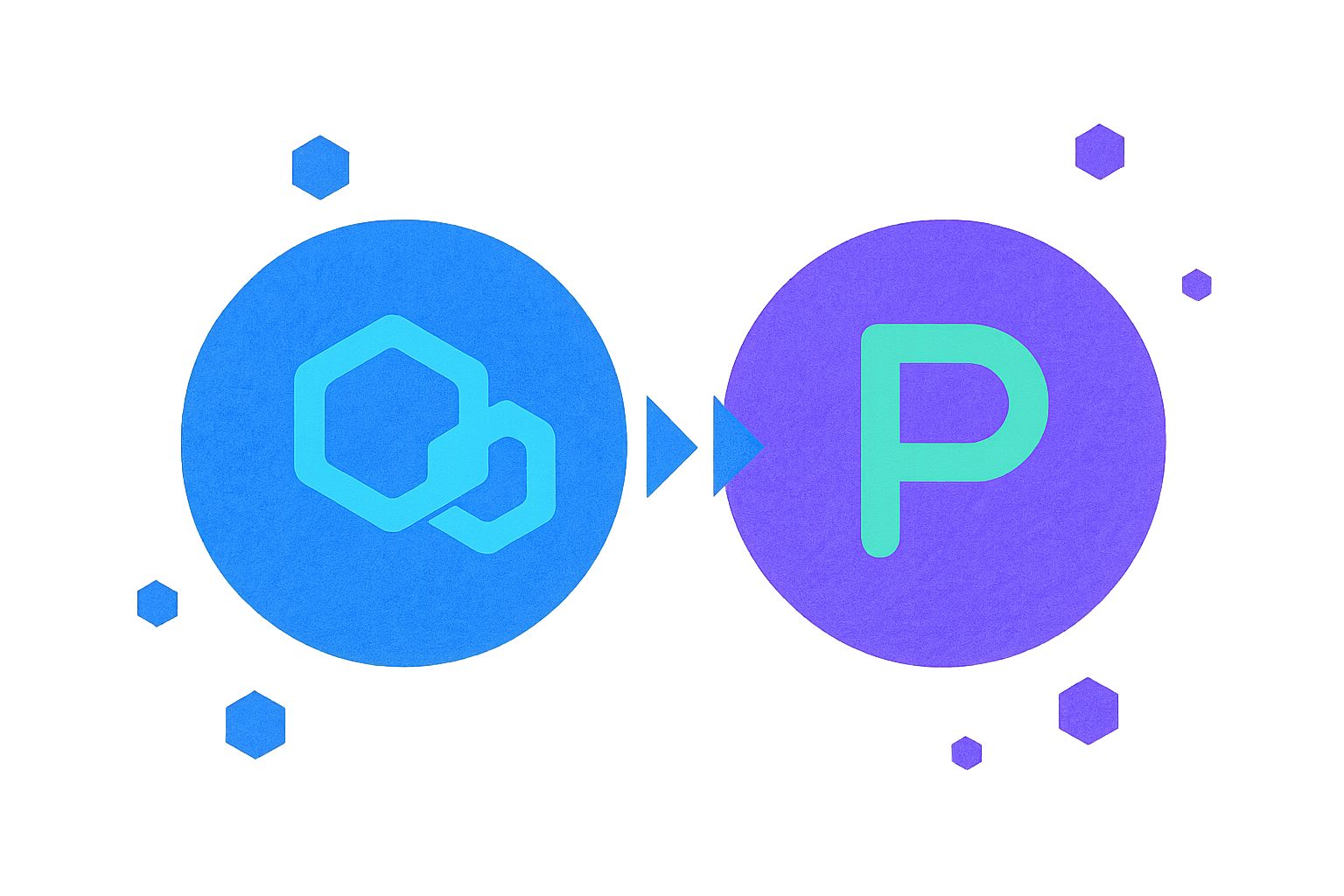
MATIC Coin Transition to POL: Polygon's Evolution Under the 2.0 Roadmap
The cryptocurrency landscape is experiencing a transformative shift as the Polygon network undergoes a significant evolution. MATIC coin, which has served as the backbone of the Polygon ecosystem, transitioned to POL coin as part of the ambitious Polygon 2.0 roadmap. This migration represents more than a simple rebranding; it reflects a strategic repositioning designed to enhance the network's capabilities and expand its reach. Understanding what happened to the MATIC coin and the implications of this transition is essential for investors, token holders, and ecosystem participants seeking clarity on this major network upgrade.
What Should Matic Holders Do?
One of the primary concerns for MATIC token holders is whether any action is required on their part during this transition. The process was designed with user convenience in mind. All MATIC assets held on the Polygon PoS network underwent automatic conversion to POL tokens at a 1:1 ratio, meaning each MATIC token was exchanged for exactly one POL token. This seamless swap mechanism ensured that users experienced no disruption to their holdings or need for manual intervention. The automatic nature of this conversion eliminated potential complications that might arise from manual claiming or staking processes, making the transition accessible to all token holders regardless of their technical proficiency.
What is POL Coin, and How Does it Differ from Matic?
While POL coin maintains the fundamental structure of its predecessor and preserves the 10 billion token supply cap, it represents an evolution rather than merely a cosmetic change. POL coin is engineered to play a central role in Polygon's ecosystem expansion and technical advancement. Beyond its function as a utility token, POL is integral to the Polygon 2.0 infrastructure, where it serves multiple critical functions including staking mechanisms, community governance, and protocol ownership. This enhanced functionality positions POL as more than a digital asset; it becomes a governance instrument and stake mechanism that empowers community members to participate directly in network decisions and security validation. The token's expanded role demonstrates Polygon's commitment to decentralization and community-driven development.
When Did the Transition Take Place?
The migration from MATIC to POL occurred on September 10, 2024, marking a definitive date for ecosystem participants. On this date, all MATIC tokens held in user wallets were systematically updated to their POL equivalents. This coordinated transition eliminated ambiguity regarding timeframes and ensured that all network participants operated within the same updated framework. The completion of this transition on a specific date provided clarity to investors and traders, allowing them to adjust their strategies and portfolio management accordingly. Since this date, POL has become the standard token for all Polygon network activities and interactions.
What is the Purpose of This Change?
The transformation from MATIC to POL serves strategic objectives that extend beyond token mechanics. This change aims to enhance the flexibility and scalability of the Polygon ecosystem, addressing the evolving demands of decentralized applications and users. POL coin functions as the foundational element of Polygon 2.0, an ambitious upgrade designed to strengthen the network's technical infrastructure and broaden its accessibility to mainstream users. By repositioning the token under a new identity aligned with the 2.0 vision, Polygon communicates its commitment to innovation and continuous improvement. This strategic shift enables the network to implement advanced features, improve transaction throughput, and establish more robust governance structures that reflect the principles of blockchain technology. The change represents a deliberate effort to position Polygon for sustained growth and relevance in an increasingly competitive blockchain landscape.
Conclusion
The transition from MATIC to POL marks a pivotal moment in Polygon's development trajectory. This evolution, completed in September 2024, demonstrates the network's proactive approach to technological advancement and ecosystem refinement. For token holders, the automatic 1:1 conversion ensured a frictionless experience while maintaining their investment value. POL coin's expanded role within Polygon 2.0 positions it as a multifunctional asset central to governance, staking, and community participation. As Polygon continues to develop under its 2.0 roadmap, POL serves as the enabling asset for this next generation of blockchain infrastructure. While this transition offers promising opportunities for ecosystem growth and user engagement, it is imperative for investors to conduct thorough research and understand the inherent risks associated with cryptocurrency investments before committing capital to this or any digital asset.
FAQ
What happened with Matic Coin?
Matic Coin remains a core asset within the Polygon ecosystem, valued for its fast transaction speeds and low gas fees. It continues to attract developers and maintain strong utility and adoption in the Web3 space.
Does Matic Coin have a future?
Yes, Matic Coin has a positive future. Experts predict MATIC could reach around $4.78 by 2033, with anticipated growth driven by Polygon's expanding ecosystem and adoption. Short-term volatility may occur, but long-term prospects remain promising.
Why did Matic get delisted?
Matic was delisted due to Polygon's token migration to POL. This upgrade aims to enhance network infrastructure, improve scalability, and support future protocol developments.
Will Matic bounce back?
Yes, MATIC has potential to bounce back if the broader crypto market recovers and Polygon continues securing strategic partnerships. Strong fundamentals and ecosystem growth support a recovery, though market conditions will ultimately determine the trajectory.
What is Matic (Polygon) and what is its purpose?
Matic (Polygon) is a Layer 2 scaling solution for Ethereum that improves transaction speeds and reduces fees. The native MATIC token pays network transaction fees, secures the network through staking, and enables holders to earn staking rewards.
How does Matic compare to other Layer 2 solutions?
Matic offers lower fees and faster transaction speeds than Optimism and Arbitrum. It uses proof-of-stake consensus for scalability and supports diverse decentralized applications with superior performance metrics.
Share
Content
How to Buy Cryptocurrency


Trending Cryptocurrencies



L1TF Unveils Latest Strategy for Luna Classic Revival | Crypto News Insights

HOOK Protocol Explained: Core Logic for Web3 Adoption and Learn-to-Earn Innovation

What is TIA: Understanding Transient Ischemic Attack and Its Warning Signs

2025 KAIA Price Prediction: Expected Market Trends and Investment Outlook for the Innovative Digital Asset
2025 DYMPrice Prediction: Analyzing Market Trends and Future Potential of Dymension Token in the Layer-2 Ecosystem

What is ABT: Understanding the Art of Narrative Structure in Storytelling

Understanding Spot Balance on a Cryptocurrency Exchange
Cooin Wallet: A Comprehensive Guide to Secure Crypto Management
What Is a Market Order?
List of XRP Rich: How Much XRP Puts You in the Top 10%

Fear, Uncertainty and Doubt (FUD)