How to Use Phantom Wallet Safely: A Beginner’s Guide

What Is Phantom Wallet and How to Use It?
Key Takeaways
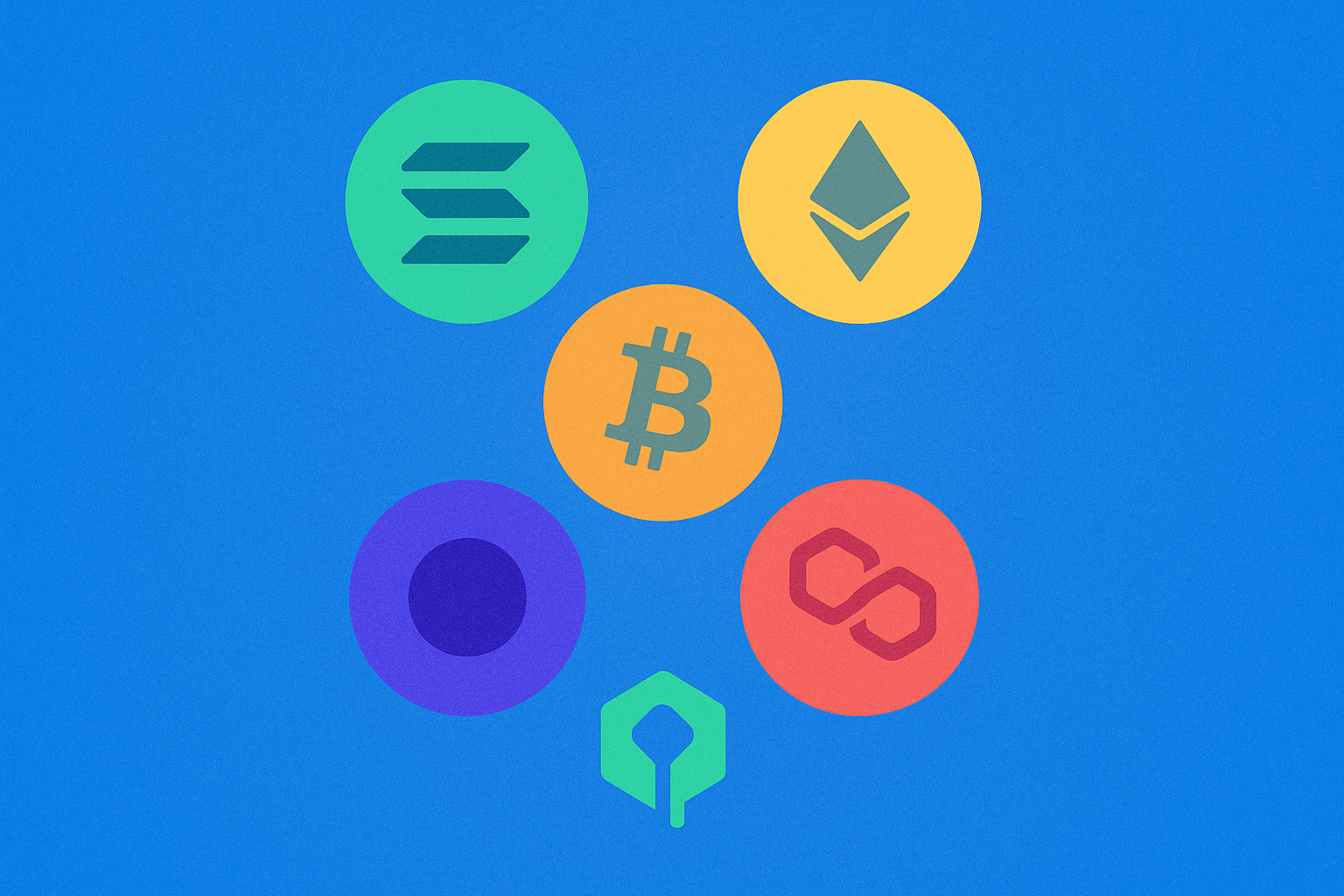
Phantom Wallet represents a significant advancement in cryptocurrency wallet technology, offering users a comprehensive solution for managing digital assets across multiple blockchain networks. As a non-custodial wallet, it provides users with complete control over their private keys and seed phrases, ensuring maximum security and autonomy. The wallet supports major blockchains including Solana, Ethereum, Bitcoin, Base, and Polygon, making it a versatile tool for diverse cryptocurrency portfolios.
The primary features of Phantom Wallet include seamless management of cryptocurrencies and non-fungible tokens (NFTs), along with the ability to interact with decentralized finance (DeFi) applications. This multi-functional approach makes Phantom an essential gateway for both novice and experienced cryptocurrency users who require reliable and secure access to the Web3 ecosystem. As a legally compliant wallet solution, Phantom Wallet operates within established regulatory frameworks, providing users with peace of mind regarding its legitimacy and security.
What Is Phantom Wallet?
Phantom Wallet is a sophisticated non-custodial cryptocurrency wallet that has evolved from its original Solana-focused design to become a multi-chain solution. The wallet's architecture supports various blockchain networks, including Solana, Ethereum, Base, Polygon, and Bitcoin, providing users with a unified interface for managing diverse digital assets.
The non-custodial nature of Phantom Wallet is particularly significant for security-conscious users. Unlike custodial wallets where third parties hold user credentials, Phantom ensures that private keys and seed phrases remain exclusively under user control. This design philosophy aligns with the fundamental principles of cryptocurrency: decentralization and user sovereignty.
Beyond basic wallet functionality, Phantom serves as a comprehensive gateway to the decentralized web. Users can manage their cryptocurrency portfolios, organize their NFT collections, and seamlessly interact with various DeFi platforms. This integration capability makes Phantom particularly valuable for users who actively participate in the broader blockchain ecosystem, whether for trading, staking, or engaging with decentralized applications. Is Phantom Wallet legal? Yes, Phantom Wallet is a legitimate, legally compliant cryptocurrency wallet that adheres to industry standards and regulatory requirements in jurisdictions where it operates.
How to Set Up a Phantom Wallet
Establishing a Phantom Wallet is a straightforward process designed to accommodate users of varying technical expertise. The setup procedure remains consistent across different platforms, with minor variations between the browser extension and mobile applications.
To begin, users must visit the official Phantom website and download the appropriate version for their device. Phantom is available as mobile applications for both iOS and Android devices, as well as browser extensions compatible with Chrome, Firefox, Brave, and Edge. This wide platform support ensures accessibility for users across different operating systems and preferences.
During the initialization process, users face a choice between creating a new wallet or importing an existing one. For new users, the wallet creation process offers two methods: using an email address or generating a seed phrase. The seed phrase method, while requiring more careful handling, provides enhanced security and aligns with best practices in cryptocurrency management.
Password creation represents a critical security step. Users must establish a strong, unique password that will be used for local authentication. On browser extensions, this password is profile and device-specific, while mobile applications offer additional security through biometric authentication options such as fingerprint scanning or facial recognition.
The most crucial step in wallet setup is the secure storage of the seed phrase. This phrase functions as the master key to the wallet and represents the only method for wallet recovery in case of device loss or password forgetting. Users must write down this phrase and store it in a secure, offline location, never sharing it with anyone or storing it digitally where it could be compromised.
How to Use Your Phantom Wallet
Phantom Wallet's user interface is designed with intuitive navigation and clear functionality. Browser extension users can enhance accessibility by pinning the wallet to their extension bar, ensuring quick access whenever needed.
The wallet's main interface features four primary action buttons: Receive, Send, Swap, and Buy. The Receive function allows users to access their wallet addresses and corresponding QR codes, which are essential for receiving cryptocurrency deposits. For example, when withdrawing SOL from a centralized exchange platform, users would copy their Phantom Wallet receiving address and paste it into the exchange's withdrawal interface.
The Send function enables users to transfer funds from their Phantom Wallet to other addresses. This feature requires careful attention to blockchain network selection and accurate address input to prevent irreversible transaction errors. The Swap functionality provides in-wallet trading capabilities, allowing users to exchange between different cryptocurrencies without leaving the application. Advanced users can adjust slippage settings, balancing between transaction certainty and price optimization.
The Buy feature integrates third-party payment processors, enabling users to purchase cryptocurrencies directly within the wallet using various payment methods including credit cards, debit cards, Apple Pay, and Google Pay. Availability and fees vary by geographic location and selected payment method.
Token management in Phantom is automated yet customizable. The wallet automatically displays balances for major cryptocurrencies while allowing users to manually add or remove specific tokens through the "Manage token list" feature. This customization helps maintain a clean interface and protects users from scam tokens that might appear unsolicited.
Phantom's multi-account functionality represents another powerful feature, allowing users to create and manage multiple cryptocurrency wallets using a single password and seed phrase. This capability is particularly useful for users who want to separate different types of transactions or maintain distinct portfolios for various purposes. Each account maintains independent public addresses across supported blockchains, providing organizational flexibility while maintaining security.
The wallet's bottom navigation menu provides access to additional functions including NFT management, transaction history, and an exploration interface for discovering new projects and collections. This comprehensive design ensures that users can perform all necessary cryptocurrency operations within a unified, coherent interface.
Is Phantom Wallet Legal?
One of the most common questions among potential users is: Is Phantom Wallet legal? The answer is unequivocally yes. Phantom Wallet operates as a legitimate cryptocurrency wallet service that complies with applicable laws and regulations in the jurisdictions where it is available. As a non-custodial wallet, Phantom does not hold or control user funds, which positions it favorably within most regulatory frameworks.
The legality of Phantom Wallet stems from its fundamental nature as a software tool that enables users to manage their own cryptocurrency holdings. Unlike centralized exchange platforms that may face stricter regulatory requirements, non-custodial wallets like Phantom serve primarily as interfaces for blockchain interaction, with users maintaining complete control over their assets.
Phantom Wallet's development team has demonstrated commitment to compliance and security standards, regularly updating the application to align with evolving regulatory landscapes. The wallet operates transparently, with clear terms of service and privacy policies that outline user rights and responsibilities.
It is important to note that while Phantom Wallet itself is legal, the legality of cryptocurrency activities varies by jurisdiction. Users are responsible for ensuring their cryptocurrency transactions and holdings comply with local laws and regulations. In regions where cryptocurrency use is restricted or prohibited, users should consult local legal guidance before engaging with any cryptocurrency wallet, including Phantom.
Tips for Staying Safe
Security in cryptocurrency management demands constant vigilance and adherence to best practices. The foundation of Phantom Wallet security rests on proper seed phrase management. Users must write down their seed phrase on physical media and store it in a secure location, such as a safe or safety deposit box. Digital storage of seed phrases, whether in cloud services, email, or computer files, creates vulnerability to hacking and should be strictly avoided.
Biometric authentication on mobile devices adds an additional security layer that balances convenience with protection. Face ID and fingerprint authentication prevent unauthorized access even if a device falls into wrong hands. Users should enable these features whenever available.
Interaction with decentralized applications requires caution and discernment. Users should only connect their wallet to trusted, verified websites and applications. Before authorizing any transaction or connection, users should verify the authenticity of the website URL and understand the permissions being granted. Scam websites often mimic legitimate platforms, making careful verification essential.
Regular software updates ensure that users benefit from the latest security patches and feature improvements. The cryptocurrency landscape evolves rapidly, with new threats emerging constantly. Maintaining the latest version of Phantom Wallet ensures optimal protection against known vulnerabilities.
Users should also exercise caution regarding unsolicited tokens appearing in their wallets. These tokens often represent scam attempts and should be hidden or ignored rather than interacted with. The "Manage token list" feature provides an easy method for removing these potentially malicious tokens from view.
When using trading platforms or DeFi protocols, always verify you are connecting to legitimate services. Be particularly cautious of phishing attempts that impersonate popular platforms or services.
Conclusion
Phantom Wallet stands as a comprehensive, user-friendly solution for cryptocurrency management in the modern blockchain ecosystem. Its non-custodial architecture ensures that users maintain complete control over their digital assets while providing the convenience and functionality necessary for active participation in the cryptocurrency space.
The wallet's multi-chain support, intuitive interface, and robust feature set make it accessible to newcomers while offering the sophistication required by experienced users. From basic sending and receiving functions to advanced DeFi interactions and NFT management, Phantom provides a unified platform for diverse cryptocurrency activities.
For those wondering "Is Phantom Wallet legal?" – the answer is clear: Phantom Wallet is a legitimate, legally compliant cryptocurrency wallet that operates within established regulatory frameworks. Its non-custodial nature and commitment to security standards make it a trustworthy choice for cryptocurrency management.
Success with Phantom Wallet, as with any cryptocurrency tool, depends on user diligence in security practices. Proper seed phrase management, cautious interaction with decentralized applications, and regular software updates form the foundation of safe cryptocurrency usage. By combining Phantom's secure architecture with responsible user behavior, individuals can confidently navigate the cryptocurrency landscape while maintaining control over their digital assets.
As the blockchain ecosystem continues to evolve, tools like Phantom Wallet play an increasingly important role in making cryptocurrency accessible, secure, and practical for everyday use. Whether managing a simple cryptocurrency portfolio or engaging deeply with DeFi protocols and NFT markets, Phantom Wallet provides the necessary infrastructure for secure and efficient digital asset management.
FAQ
Is Phantom Wallet allowed in the USA?
Yes, Phantom Wallet is allowed in the USA. It is legal software that facilitates blockchain interaction. No specific legal restrictions apply to using Phantom Wallet for managing digital assets and interacting with decentralized applications.
Does Phantom Wallet report to IRS?
Phantom Wallet does not report to the IRS or issue tax forms. However, the IRS can still track blockchain transactions through other means. Users remain responsible for reporting their own crypto activities to tax authorities.
Is Phantom Wallet safe to use?
Yes, Phantom Wallet is generally safe and trusted. It features a built-in scam detection system and strong security measures. However, users should still practice caution with their private keys and be aware of phishing attempts.
Can you pull money out of a Phantom wallet?
Yes, you can withdraw money from Phantom wallet by transferring your cryptocurrency to a supported exchange that allows cashouts. Simply send your assets from your wallet to the exchange, then cash out to your bank account.
What is the difference between Phantom Wallet and other crypto wallets like MetaMask?
Phantom Wallet supports Solana with a smoother interface, while MetaMask primarily serves Ethereum. Phantom features built-in scam detection and NFT spam filtering. MetaMask charges service fees on top of gas fees. Both are non-custodial wallets with in-app swaps.
Share
Content
How to Buy Cryptocurrency


Trending Cryptocurrencies



10 Best Crypto Wallets: Secure, Multi-Chain, and Easy to Use

Comprehensive Guide: Setting Up and Using Your Phantom Wallet
How to Use the Phantom Digital Wallet Effectively

Top 10 Digital Wallets for Cryptocurrency Enthusiasts in India (June 2025)
Top Crypto Wallets for 2025 | Secure and User-Friendly Options for New Investors
Top 10 Crypto Wallets for Indian Users in June 2025

How to Use MACD, RSI, and Bollinger Bands for Cryptocurrency Technical Analysis in 2026?

What is BEAT token price volatility and how has it fluctuated between $1.29 and $1.97 in 24 hours?

How do exchange net flows and holdings concentration affect LMWR token price movements?

How Does LMWR Compare to MUSIC and XBorg: Price Predictions and Market Share Analysis

Is It Worth Staking Crypto? Real Benefits vs Actual Risks