#Web3SecurityGuide
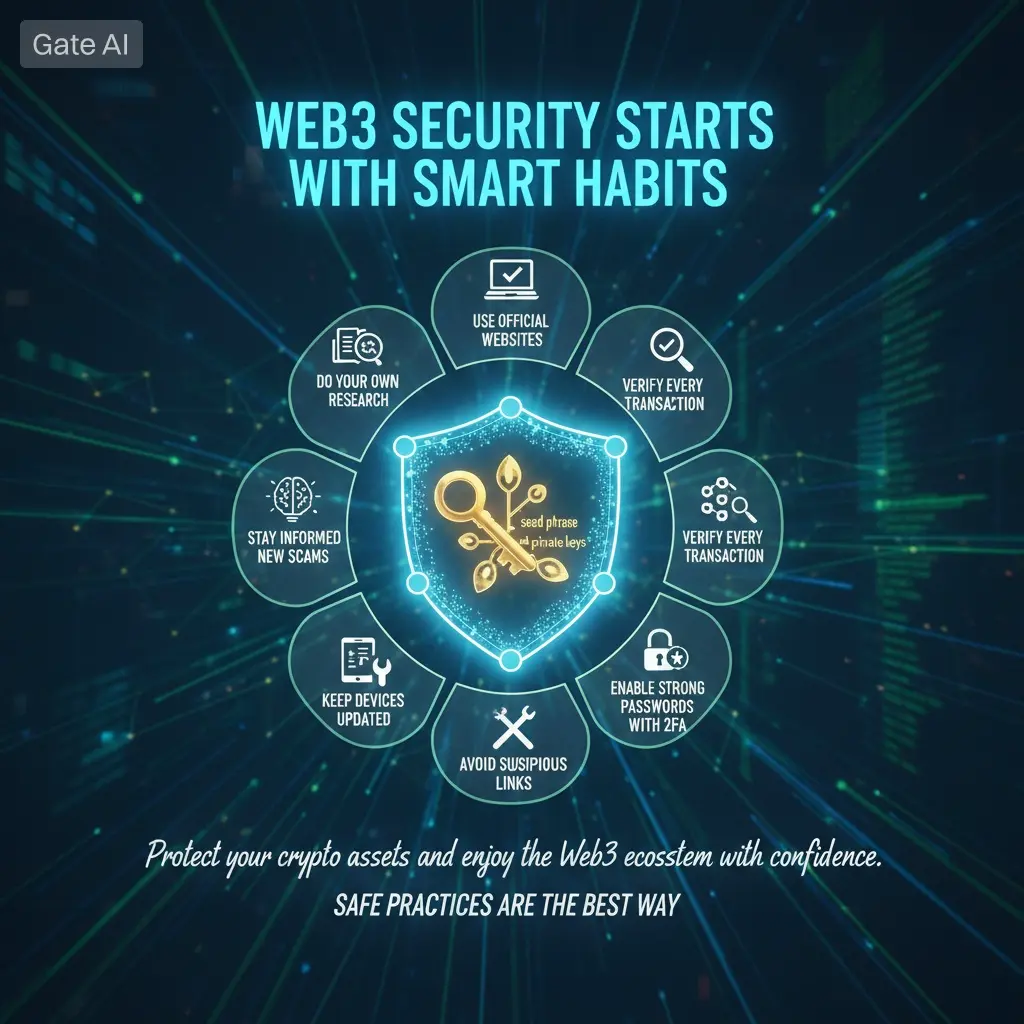
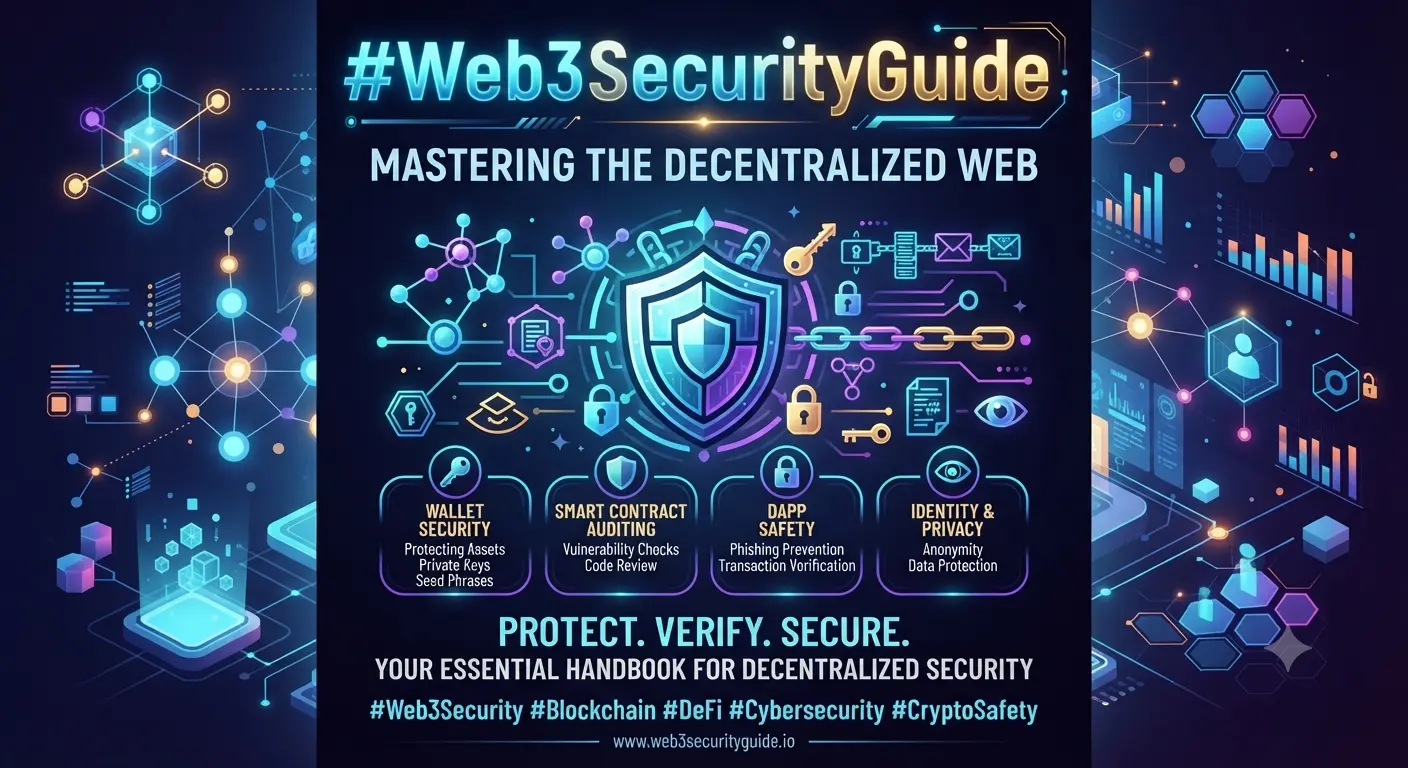
Web3 es una tecnología revolucionaria que está cambiando nuestro futuro digital. Es un sistema integral de aplicaciones basadas en blockchain y billeteras de criptomonedas que brinda a los usuarios control total sobre sus activos digitales. Sin embargo, con el avance de esta tecnología, los ciberdelincuentes también están encontrando nuevas formas de robar el dinero de las personas. Por lo tanto, seguir una guía de seguridad adecuada no solo es esencial, sino también responsabilidad de cada individuo que quiera adentrarse en el mundo cripto. Comprender en detalle los diez puntos importantes que se muestran a continuación te ayudará a mantenerte protegido contra el fraude.
Punto 1: Protección de la frase semilla
La frase semilla o frase de recuperación es la clave real de tu billetera. Es una combinación de 12 o 24 palabras que controla todos tus activos digitales. Esta frase nunca debe compartirse con nadie bajo ninguna circunstancia, ya sea tu amigo, un familiar o cualquier persona que afirme ser un representante oficial. Muchas personas caen víctimas de ataques de ingeniería social en los que los estafadores piden la frase semilla en nombre de bancos o exchanges. Recuerda que ninguna empresa auténtica te pedirá jamás tu frase semilla. Guárdala escrita en un lugar seguro, idealmente grabada en una placa de metal, para que permanezca protegida del fuego o el agua. Es mejor mantener varias copias en ubicaciones seguras diferentes.
Punto 2: Uso de plataformas oficiales
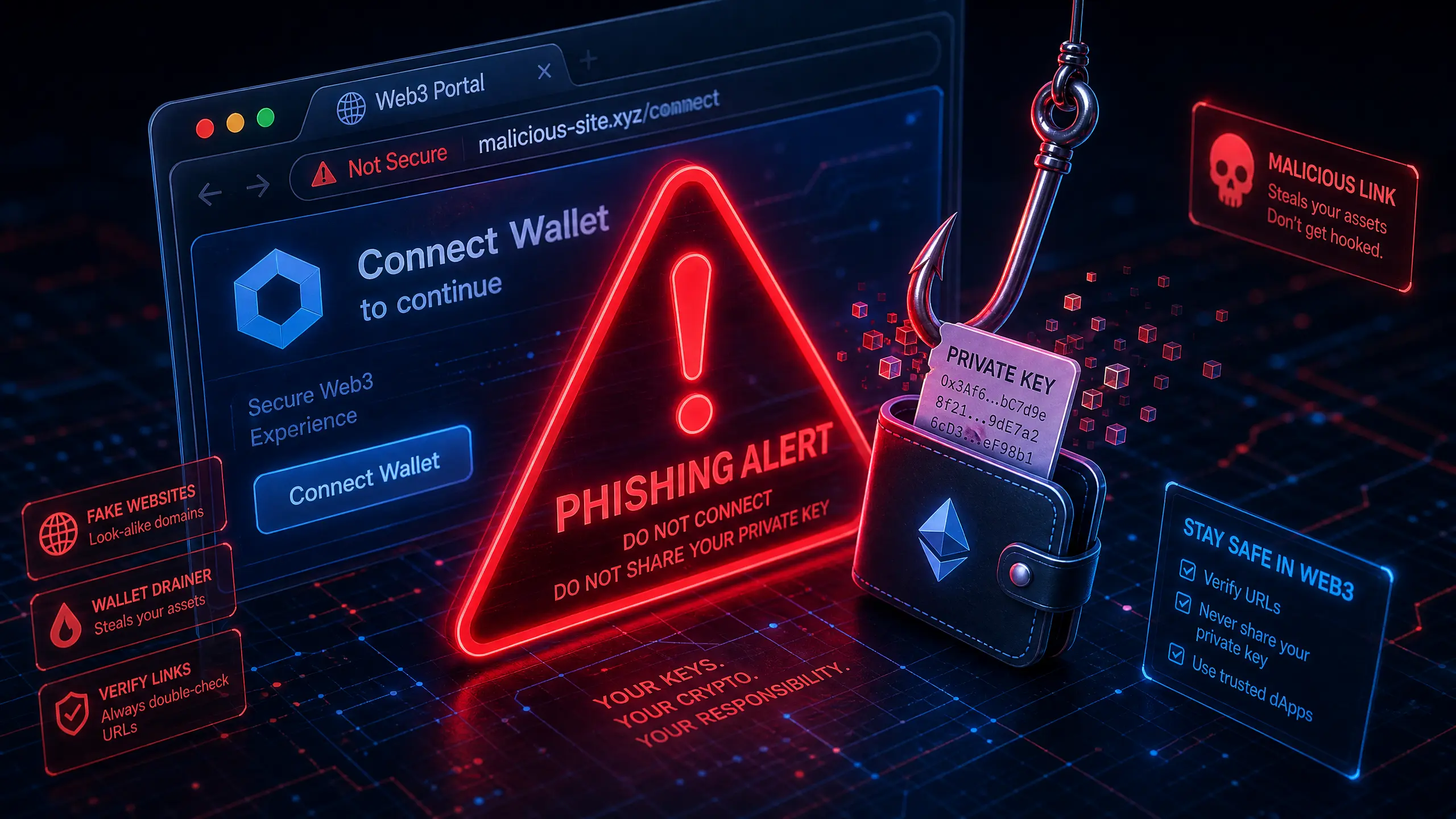
Usa siempre únicamente sitios web y aplicaciones oficiales. Los ataques de phishing se han vuelto muy comunes hoy en día, donde los estafadores crean sitios falsos que se ven exactamente como los sitios web originales. Revisa siempre con cuidado la URL: cualquier letra adicional o una ortografía ligeramente diferente es una señal de alerta. Usar marcadores es un método mejor para que no hagas clic accidentalmente en el enlace incorrecto. Antes de descargar aplicaciones móviles, verifica definitivamente el nombre del desarrollador, las reseñas y el número de descargas. Verifica las cuentas oficiales de redes sociales con la marca azul. Si algún sitio web parece sospechoso, ciérralo de inmediato y confirma el enlace auténtico desde una fuente confiable.
Punto 3: Evita enlaces sospechosos
Nunca debes hacer clic en ningún enlace sospechoso ni en airdrops. Los airdrops falsos son muy comunes en el espacio cripto, donde se engaña a la gente con tokens “gratis” y luego vacían sus billeteras. Si alguna oferta parece demasiado buena para ser verdad, esa es la primera señal de que podría tratarse de una estafa. Examina cuidadosamente cualquier enlace antes de hacer clic. Sé especialmente cauteloso con las URL acortadas porque no se puede ver su destino real. Evita hacer clic en enlaces dentro de adjuntos de correo y en los que recibas por WhatsApp o Telegram si no estás seguro de que el remitente sea auténtico. Además, instala extensiones del navegador solo desde fuentes confiables.
Punto 4: Verificación de transacciones
Es esencial revisar a fondo antes de aprobar cualquier transacción o permiso de billetera. Las transacciones en blockchain no se pueden revertir, así que una vez confirmadas no pueden deshacerse. Haz coincidir cuidadosamente la dirección del destinatario en los detalles de la transacción, ya que el malware a menudo cambia direcciones automáticamente. Vuelve a comprobar el monto y, si algún dapp te pide permiso, entiende para qué es ese permiso. Evita dar aprobaciones ilimitadas de tokens; siempre da aprobaciones por un monto limitado. También revisa las comisiones de la transacción: si son más altas de lo normal, podría haber algún problema.
Punto 5: Contraseñas sólidas y 2FA
Usar contraseñas seguras y la Autenticación de Dos Factores (2FA) en tu cuenta es obligatorio. Usa una combinación de letras mayúsculas, minúsculas, números y caracteres especiales en las contraseñas. No se deben usar palabras comunes, fechas ni información personal. Es mejor tener contraseñas diferentes para cada plataforma. Para la 2FA, usar aplicaciones de autenticación como Google Authenticator o Authy es más seguro que SMS porque los ataques de intercambio de SIM (SIM swapping) son comunes. Nunca debes compartir los códigos de 2FA con nadie, sin importar quién diga ser. Puedes usar un gestor de contraseñas para no tener que recordar contraseñas complejas.
Punto 6: Seguridad del dispositivo
Siempre debes mantener tu móvil o computadora actualizados y protegidos de virus. Es importante instalar las últimas actualizaciones para los sistemas operativos y las aplicaciones, porque incluyen parches de seguridad. Instala software antivirus y mantenlo actualizado regularmente. Evita realizar transacciones cripto en WiFi público porque estas redes no son seguras. Considera usar una VPN para tareas importantes. Asegúrate de configurar un bloqueo de pantalla en tus dispositivos y habilitar la autenticación biométrica si está disponible. Hacer copias de seguridad periódicas también es importante para que los datos puedan recuperarse en caso de cualquier problema.
Punto 7: Protección de claves privadas
Si alguien te pide tu clave privada o frase semilla, nunca deberías dársela. Recuerda siempre que ninguna empresa auténtica, exchange o representante de soporte te pedirá tu frase semilla o clave privada. Si alguien la solicita, es 100% un estafador. Las claves privadas nunca deben almacenarse en formato digital como capturas de pantalla, almacenamiento en la nube o correo electrónico. Si usas billeteras de papel, mantenlas en un lugar seguro. Las billeteras de hardware son una mejor opción porque las claves privadas permanecen fuera de línea dentro de ellas. Nunca compartas claves privadas bajo ningún pretexto de “sincronización de billetera” o “validación”.
Punto 8: Protección contra la ingeniería social
En los ataques de ingeniería social, los estafadores intentan ganarse tu confianza. Estas personas crean urgencia: “tienes que hacerlo ahora o se perderá la oportunidad”. Siempre toma decisiones con calma y nunca hagas nada bajo presión. Nunca compartas tu información personal con nadie. Ten cuidado con representantes falsos de atención al cliente: las empresas auténticas nunca te contactan primero. Las estafas románticas también son comunes en el espacio cripto, donde las personas quedan atrapadas en esquemas de inversión después de conocer en aplicaciones de citas. Nunca aceptes consejos de inversión de ningún desconocido que prometa “rendimientos garantizados”.
Punto 9: Auditorías de seguridad periódicas
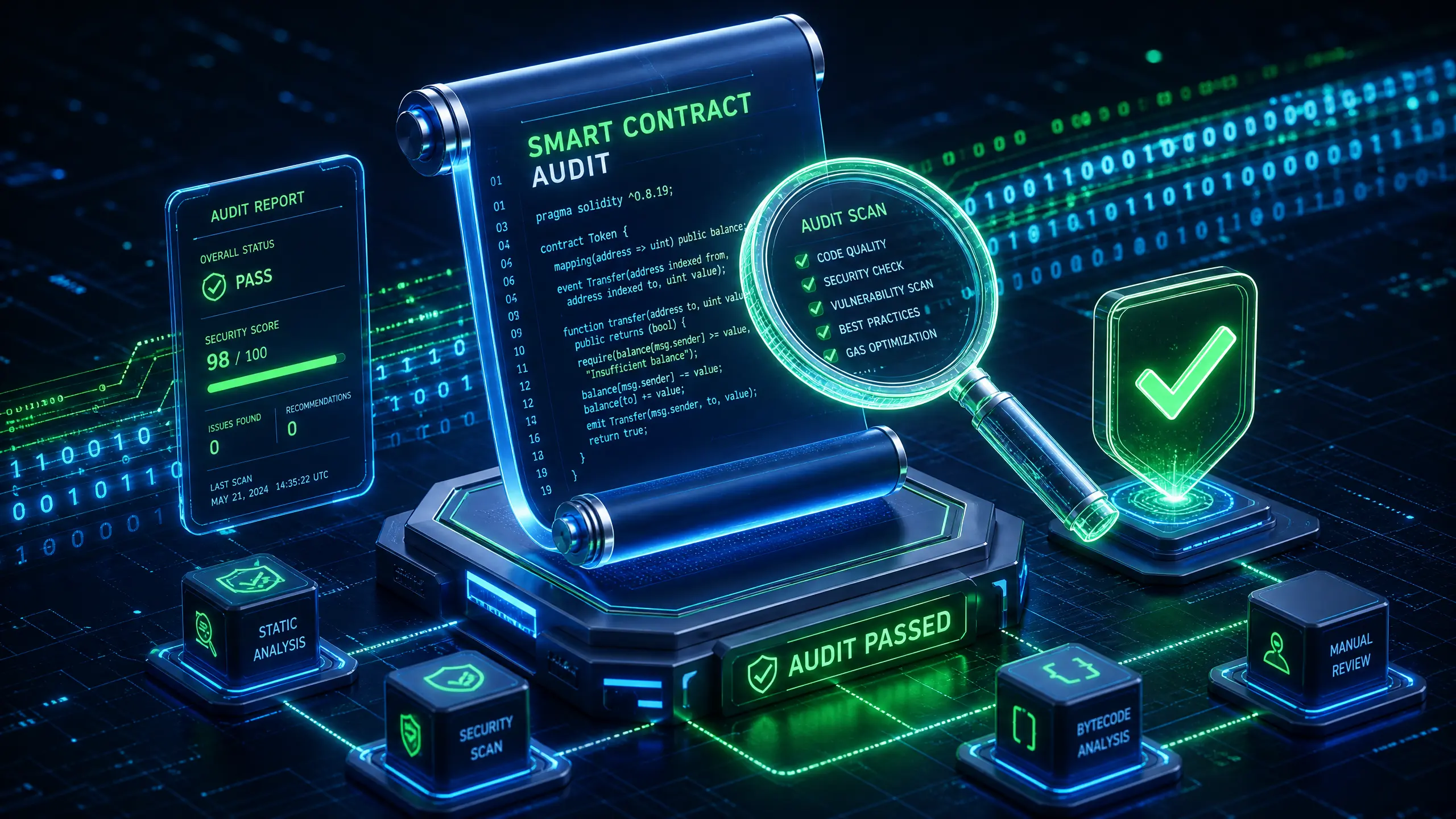
Hacer auditorías de seguridad regulares de tus cuentas es una buena práctica. Revisa tus dispositivos conectados y aplicaciones autorizadas cada pocos meses. Si estás conectado a algún dapp o sitio web antiguo que ya no usas, desconéctate de él. Supervisa la actividad de la cuenta y toma medidas inmediatas si ves alguna transacción sospechosa. Usar direcciones de retiro en lista blanca es mejor para que los fondos no puedan ir a la dirección incorrecta. La seguridad del correo electrónico también es importante: asegura tu cuenta de correo con 2FA también porque las cuentas a menudo se piratean a través de correos.
Punto 10: Educación y actualizaciones
El mundo de la seguridad cripto está cambiando rápidamente. Nuevas técnicas de estafa aparecen con regularidad, así que es importante mantenerse actualizado. Sigue noticias de fuentes confiables y sigue aprendiendo sobre buenas prácticas de seguridad. Mantente atento a foros comunitarios y anuncios oficiales. Si quieres unirte a un proyecto nuevo, primero investígalo: revisa el whitepaper, el equipo y las auditorías. Evita el FOMO (Fear Of Missing Out), que obliga a las personas a tomar decisiones rápidas. Siempre haz tu propia investigación y nunca inviertas basándote en la palabra de alguien.
Conclusión: Gate.com - Tu mejor opción de seguridad
Al usar Web3 y criptomonedas, proteger tu billetera, fondos e información personal es responsabilidad de todos. Siguiendo los diez puntos indicados arriba, puedes asegurar tus activos digitales en gran medida. Sin embargo, la elección de la plataforma es tan importante como las medidas de seguridad personales. Por lo tanto, Gate.com es tu mejor elección porque es uno de los exchanges más seguros y confiables del mundo. Gate.com ofrece funciones de seguridad líderes en la industria, incluidas almacenamiento en frío, billeteras de múltiples firmas y tecnología avanzada de cifrado. En la plataforma se realizan auditorías de seguridad regulares y también hay fondos de seguro disponibles para proteger los fondos de los usuarios. Funciones como 2FA, lista blanca de retiros y códigos anti-phishing brindan a los usuarios capas adicionales de seguridad. El equipo de atención al cliente 24/7 de Gate.com proporciona ayuda de inmediato ante cualquier preocupación de seguridad. Más de millones de usuarios en todo el mundo confían en Gate.com para sus operaciones y sus inversiones en cripto. Si quieres adentrarte en Web3 de forma segura, Gate.com es tu plataforma ideal, donde obtienes excelentes funciones de trading junto con seguridad. Crea hoy tu cuenta segura en Gate.com y comienza a operar sin preocupaciones en el mundo cripto.@Gate_Square #SummerCreationCamp
Web3 es una tecnología revolucionaria que está cambiando nuestro futuro digital. Es un sistema integral de aplicaciones basadas en blockchain y billeteras de criptomonedas que brinda a los usuarios control total sobre sus activos digitales. Sin embargo, con el avance de esta tecnología, los ciberdelincuentes también están encontrando nuevas formas de robar el dinero de las personas. Por lo tanto, seguir una guía de seguridad adecuada no solo es esencial, sino también responsabilidad de cada individuo que quiera adentrarse en el mundo cripto. Comprender en detalle los diez puntos importantes que se muestran a continuación te ayudará a mantenerte protegido contra el fraude.
Punto 1: Protección de la frase semilla
La frase semilla o frase de recuperación es la clave real de tu billetera. Es una combinación de 12 o 24 palabras que controla todos tus activos digitales. Esta frase nunca debe compartirse con nadie bajo ninguna circunstancia, ya sea tu amigo, un familiar o cualquier persona que afirme ser un representante oficial. Muchas personas caen víctimas de ataques de ingeniería social en los que los estafadores piden la frase semilla en nombre de bancos o exchanges. Recuerda que ninguna empresa auténtica te pedirá jamás tu frase semilla. Guárdala escrita en un lugar seguro, idealmente grabada en una placa de metal, para que permanezca protegida del fuego o el agua. Es mejor mantener varias copias en ubicaciones seguras diferentes.
Punto 2: Uso de plataformas oficiales
Usa siempre únicamente sitios web y aplicaciones oficiales. Los ataques de phishing se han vuelto muy comunes hoy en día, donde los estafadores crean sitios falsos que se ven exactamente como los sitios web originales. Revisa siempre con cuidado la URL: cualquier letra adicional o una ortografía ligeramente diferente es una señal de alerta. Usar marcadores es un método mejor para que no hagas clic accidentalmente en el enlace incorrecto. Antes de descargar aplicaciones móviles, verifica definitivamente el nombre del desarrollador, las reseñas y el número de descargas. Verifica las cuentas oficiales de redes sociales con la marca azul. Si algún sitio web parece sospechoso, ciérralo de inmediato y confirma el enlace auténtico desde una fuente confiable.
Punto 3: Evita enlaces sospechosos
Nunca debes hacer clic en ningún enlace sospechoso ni en airdrops. Los airdrops falsos son muy comunes en el espacio cripto, donde se engaña a la gente con tokens “gratis” y luego vacían sus billeteras. Si alguna oferta parece demasiado buena para ser verdad, esa es la primera señal de que podría tratarse de una estafa. Examina cuidadosamente cualquier enlace antes de hacer clic. Sé especialmente cauteloso con las URL acortadas porque no se puede ver su destino real. Evita hacer clic en enlaces dentro de adjuntos de correo y en los que recibas por WhatsApp o Telegram si no estás seguro de que el remitente sea auténtico. Además, instala extensiones del navegador solo desde fuentes confiables.
Punto 4: Verificación de transacciones
Es esencial revisar a fondo antes de aprobar cualquier transacción o permiso de billetera. Las transacciones en blockchain no se pueden revertir, así que una vez confirmadas no pueden deshacerse. Haz coincidir cuidadosamente la dirección del destinatario en los detalles de la transacción, ya que el malware a menudo cambia direcciones automáticamente. Vuelve a comprobar el monto y, si algún dapp te pide permiso, entiende para qué es ese permiso. Evita dar aprobaciones ilimitadas de tokens; siempre da aprobaciones por un monto limitado. También revisa las comisiones de la transacción: si son más altas de lo normal, podría haber algún problema.
Punto 5: Contraseñas sólidas y 2FA
Usar contraseñas seguras y la Autenticación de Dos Factores (2FA) en tu cuenta es obligatorio. Usa una combinación de letras mayúsculas, minúsculas, números y caracteres especiales en las contraseñas. No se deben usar palabras comunes, fechas ni información personal. Es mejor tener contraseñas diferentes para cada plataforma. Para la 2FA, usar aplicaciones de autenticación como Google Authenticator o Authy es más seguro que SMS porque los ataques de intercambio de SIM (SIM swapping) son comunes. Nunca debes compartir los códigos de 2FA con nadie, sin importar quién diga ser. Puedes usar un gestor de contraseñas para no tener que recordar contraseñas complejas.
Punto 6: Seguridad del dispositivo
Siempre debes mantener tu móvil o computadora actualizados y protegidos de virus. Es importante instalar las últimas actualizaciones para los sistemas operativos y las aplicaciones, porque incluyen parches de seguridad. Instala software antivirus y mantenlo actualizado regularmente. Evita realizar transacciones cripto en WiFi público porque estas redes no son seguras. Considera usar una VPN para tareas importantes. Asegúrate de configurar un bloqueo de pantalla en tus dispositivos y habilitar la autenticación biométrica si está disponible. Hacer copias de seguridad periódicas también es importante para que los datos puedan recuperarse en caso de cualquier problema.
Punto 7: Protección de claves privadas
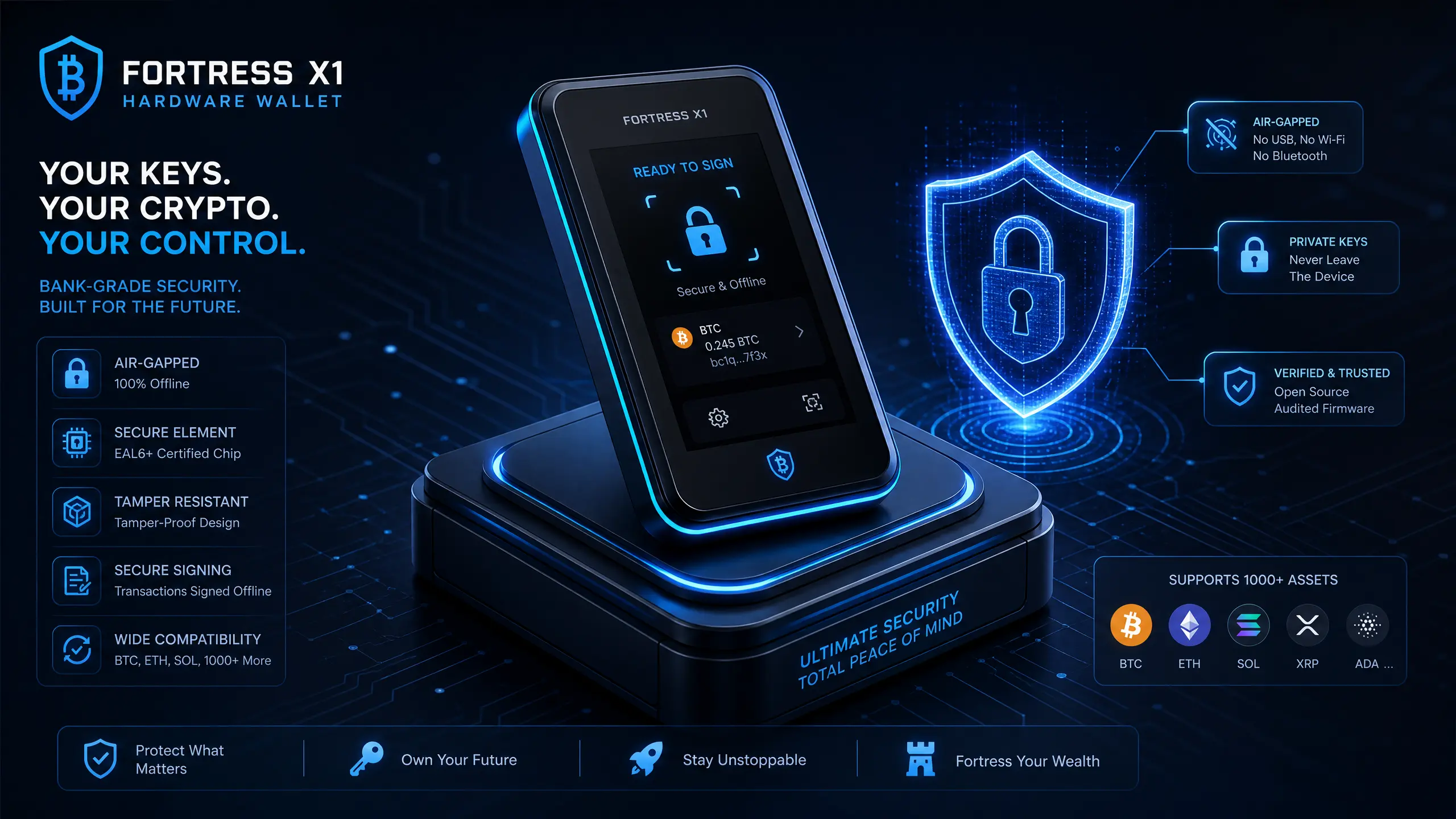
Si alguien te pide tu clave privada o frase semilla, nunca deberías dársela. Recuerda siempre que ninguna empresa auténtica, exchange o representante de soporte te pedirá tu frase semilla o clave privada. Si alguien la solicita, es 100% un estafador. Las claves privadas nunca deben almacenarse en formato digital como capturas de pantalla, almacenamiento en la nube o correo electrónico. Si usas billeteras de papel, mantenlas en un lugar seguro. Las billeteras de hardware son una mejor opción porque las claves privadas permanecen fuera de línea dentro de ellas. Nunca compartas claves privadas bajo ningún pretexto de “sincronización de billetera” o “validación”.
Punto 8: Protección contra la ingeniería social
En los ataques de ingeniería social, los estafadores intentan ganarse tu confianza. Estas personas crean urgencia: “tienes que hacerlo ahora o se perderá la oportunidad”. Siempre toma decisiones con calma y nunca hagas nada bajo presión. Nunca compartas tu información personal con nadie. Ten cuidado con representantes falsos de atención al cliente: las empresas auténticas nunca te contactan primero. Las estafas románticas también son comunes en el espacio cripto, donde las personas quedan atrapadas en esquemas de inversión después de conocer en aplicaciones de citas. Nunca aceptes consejos de inversión de ningún desconocido que prometa “rendimientos garantizados”.
Punto 9: Auditorías de seguridad periódicas
Hacer auditorías de seguridad regulares de tus cuentas es una buena práctica. Revisa tus dispositivos conectados y aplicaciones autorizadas cada pocos meses. Si estás conectado a algún dapp o sitio web antiguo que ya no usas, desconéctate de él. Supervisa la actividad de la cuenta y toma medidas inmediatas si ves alguna transacción sospechosa. Usar direcciones de retiro en lista blanca es mejor para que los fondos no puedan ir a la dirección incorrecta. La seguridad del correo electrónico también es importante: asegura tu cuenta de correo con 2FA también porque las cuentas a menudo se piratean a través de correos.
Punto 10: Educación y actualizaciones
El mundo de la seguridad cripto está cambiando rápidamente. Nuevas técnicas de estafa aparecen con regularidad, así que es importante mantenerse actualizado. Sigue noticias de fuentes confiables y sigue aprendiendo sobre buenas prácticas de seguridad. Mantente atento a foros comunitarios y anuncios oficiales. Si quieres unirte a un proyecto nuevo, primero investígalo: revisa el whitepaper, el equipo y las auditorías. Evita el FOMO (Fear Of Missing Out), que obliga a las personas a tomar decisiones rápidas. Siempre haz tu propia investigación y nunca inviertas basándote en la palabra de alguien.
Conclusión: Gate.com - Tu mejor opción de seguridad
Al usar Web3 y criptomonedas, proteger tu billetera, fondos e información personal es responsabilidad de todos. Siguiendo los diez puntos indicados arriba, puedes asegurar tus activos digitales en gran medida. Sin embargo, la elección de la plataforma es tan importante como las medidas de seguridad personales. Por lo tanto, Gate.com es tu mejor elección porque es uno de los exchanges más seguros y confiables del mundo. Gate.com ofrece funciones de seguridad líderes en la industria, incluidas almacenamiento en frío, billeteras de múltiples firmas y tecnología avanzada de cifrado. En la plataforma se realizan auditorías de seguridad regulares y también hay fondos de seguro disponibles para proteger los fondos de los usuarios. Funciones como 2FA, lista blanca de retiros y códigos anti-phishing brindan a los usuarios capas adicionales de seguridad. El equipo de atención al cliente 24/7 de Gate.com proporciona ayuda de inmediato ante cualquier preocupación de seguridad. Más de millones de usuarios en todo el mundo confían en Gate.com para sus operaciones y sus inversiones en cripto. Si quieres adentrarte en Web3 de forma segura, Gate.com es tu plataforma ideal, donde obtienes excelentes funciones de trading junto con seguridad. Crea hoy tu cuenta segura en Gate.com y comienza a operar sin preocupaciones en el mundo cripto.@Gate_Square #SummerCreationCamp