# cryptosecurity

17.59K
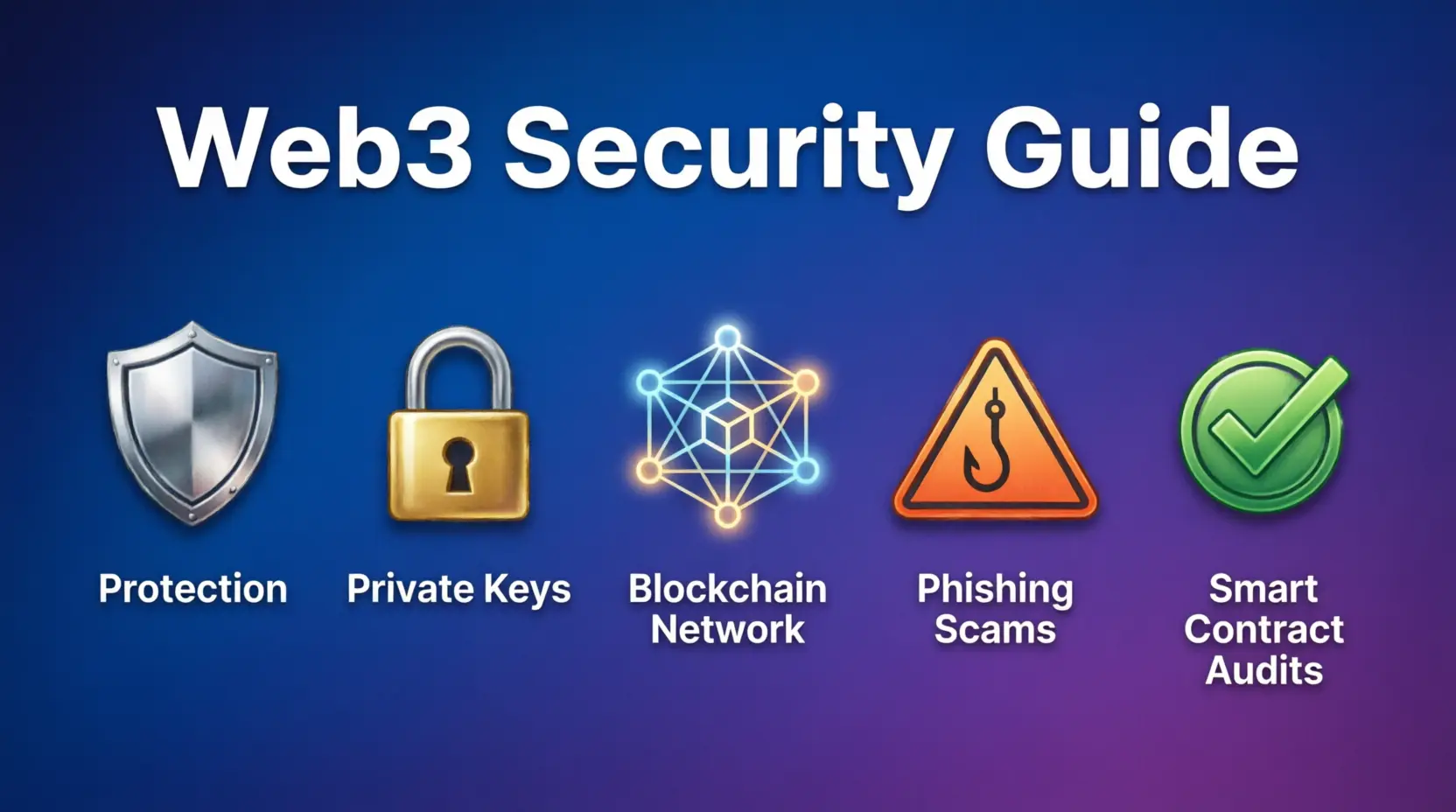
#Web3SecurityGuide
#Web3SecurityGuide
The Web3 industry continues evolving at an incredible pace, bringing decentralized finance, NFTs, blockchain gaming, AI integration, tokenized assets, and global digital ownership into mainstream discussion. But while innovation moves quickly, security risks evolve just as fast. Every market cycle introduces new opportunities, yet it also attracts increasingly sophisticated scams, exploits, phishing attacks, wallet drains, fake platforms, and social engineering operations designed to target both new and experienced users.
One of the biggest mistakes peopl
BTC-0.69%
ETH-0.73%
  • Reward
  • 7
  • Repost
  • Share
MrFlower_XingChen:
2026 GOGOGO 👊
View More
#Web3SecurityGuide
🔐 Every Crypto Trader Needs to Read This Before Their Next Withdrawal — Hard Lessons the Community Learned Expensively
Let me be straight with you today because this is one of those topics that people only Google after something goes wrong. And by then it's already painful.
Moving real money between crypto and traditional banking in 2026 is genuinely navigable — but only if you understand the invisible trip wires sitting between your exchange account and your bank.
The number one mistake I see traders make is volume shock. You've been quiet for months then suddenly push a
post-image
  • Reward
  • 26
  • Repost
  • Share
BlackoutCryptoBoy:
Diamond Hands 💎
View More
#Web3SecurityGuide
🔐 The Withdrawal and Deposit Guide Nobody Talks About Openly — But Every Crypto Trader Needs
Let me share some hard-learned knowledge with this community because I've seen too many people get their accounts frozen or funds stuck simply because they didn't know the rules of the game.
Moving money between crypto and traditional banking is genuinely one of the most underrated risk areas in this space. The tech is fine. The real danger is compliance and banking behavior triggers.
First thing to understand — banks are not crypto-friendly by default. Large or frequent transfers
discovery
#Web3SecurityGuide
🔐 The Withdrawal and Deposit Guide Nobody Talks About Openly — But Every Crypto Trader Needs
Let me share some hard-learned knowledge with this community because I've seen too many people get their accounts frozen or funds stuck simply because they didn't know the rules of the game.
Moving money between crypto and traditional banking is genuinely one of the most underrated risk areas in this space. The tech is fine. The real danger is compliance and banking behavior triggers.
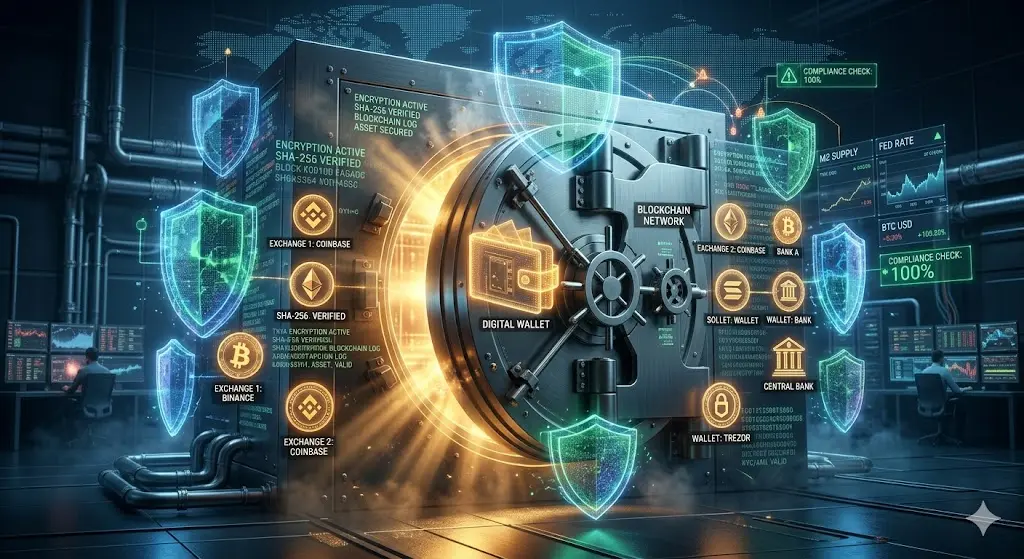
First thing to understand — banks are not crypto-friendly by default. Large or frequent transfers flagged as "unusual activity" can freeze your account instantly. The fix? Build a transaction history gradually. Don't go from zero activity to moving $50,000 overnight. Treat your bank account like it needs warming up. Start smaller, be consistent, and let the pattern look normal over time.
When withdrawing from exchanges always use the same bank account that your exchange KYC is verified with. Mismatched names between exchange accounts and bank accounts are one of the fastest ways to trigger a compliance review. Keep everything consistent and documented.
For deposits going into exchanges — avoid sending funds from third-party accounts or mixing personal and business funds in the same flow. Exchanges have their own risk engines running and unexplained fund sources raise flags just as fast as banks do.
If your card gets frozen, don't panic and don't keep attempting transactions. That makes it worse. Contact your bank proactively, explain you are the account owner making legitimate transfers, and request a compliance review directly. Having your exchange transaction history ready as documentation genuinely helps.
For larger withdrawals — split across multiple days if possible. Not to hide anything, but because that's genuinely how compliant high-volume users operate and it keeps you below automated review thresholds.
And always — always — withdraw to your own verified wallet or bank account. Never to a third party. That single rule eliminates about 80% of the serious risk scenarios people face.
Stay smart. Protect your access. The best trade means nothing if you can't get your money out cleanly.
Have you ever had a withdrawal blocked or an account frozen during a crypto transaction — what happened and how did you resolve it?
#Web3SecurityGuide #GateSquare #CryptoSecurity
  • Reward
  • 21
  • Repost
  • Share
Calmwave:
LFG 🔥
View More
#Web3SecurityGuide
🔐 The Withdrawal and Deposit Guide Nobody Talks About Openly — But Every Crypto Trader Needs
Let me share some hard-learned knowledge with this community because I've seen too many people get their accounts frozen or funds stuck simply because they didn't know the rules of the game.
Moving money between crypto and traditional banking is genuinely one of the most underrated risk areas in this space. The tech is fine. The real danger is compliance and banking behavior triggers.
First thing to understand — banks are not crypto-friendly by default. Large or frequent transfers
Crypto_Buzz_with_Alex
#Web3SecurityGuide
🔐 The Withdrawal and Deposit Guide Nobody Talks About Openly — But Every Crypto Trader Needs
Let me share some hard-learned knowledge with this community because I've seen too many people get their accounts frozen or funds stuck simply because they didn't know the rules of the game.
Moving money between crypto and traditional banking is genuinely one of the most underrated risk areas in this space. The tech is fine. The real danger is compliance and banking behavior triggers.
First thing to understand — banks are not crypto-friendly by default. Large or frequent transfers flagged as "unusual activity" can freeze your account instantly. The fix? Build a transaction history gradually. Don't go from zero activity to moving $50,000 overnight. Treat your bank account like it needs warming up. Start smaller, be consistent, and let the pattern look normal over time.
When withdrawing from exchanges always use the same bank account that your exchange KYC is verified with. Mismatched names between exchange accounts and bank accounts are one of the fastest ways to trigger a compliance review. Keep everything consistent and documented.
For deposits going into exchanges — avoid sending funds from third-party accounts or mixing personal and business funds in the same flow. Exchanges have their own risk engines running and unexplained fund sources raise flags just as fast as banks do.
If your card gets frozen, don't panic and don't keep attempting transactions. That makes it worse. Contact your bank proactively, explain you are the account owner making legitimate transfers, and request a compliance review directly. Having your exchange transaction history ready as documentation genuinely helps.
For larger withdrawals — split across multiple days if possible. Not to hide anything, but because that's genuinely how compliant high-volume users operate and it keeps you below automated review thresholds.
And always — always — withdraw to your own verified wallet or bank account. Never to a third party. That single rule eliminates about 80% of the serious risk scenarios people face.
Stay smart. Protect your access. The best trade means nothing if you can't get your money out cleanly.
Have you ever had a withdrawal blocked or an account frozen during a crypto transaction — what happened and how did you resolve it?
#Web3SecurityGuide #GateSquare #CryptoSecurity

repost-content-media
  • Reward
  • 36
  • Repost
  • Share
BtcHunter:
To The Moon 🌕
View More
#Web3SecurityGuide 🔐 🔐
Web3 gives users full control over their assets — but with great freedom comes great responsibility. In a decentralized world, you are your own bank, which makes security the most important skill in crypto. 🌍📊
🔥 Core Web3 Security Principles:
✔ Always protect your seed phrase offline
✔ Never share private keys with anyone
✔ Double-check wallet addresses before sending funds
✔ Use trusted wallets and verified platforms only
✔ Enable 2FA wherever possible
✔ Avoid random links, airdrops, and phishing sites
⚠️ Common risks in Web3:
• Phishing attacks pretending to be ex
MrKing
#Web3SecurityGuide 🔐 🔐
Web3 gives users full control over their assets — but with great freedom comes great responsibility. In a decentralized world, you are your own bank, which makes security the most important skill in crypto. 🌍📊
🔥 Core Web3 Security Principles:
✔ Always protect your seed phrase offline
✔ Never share private keys with anyone
✔ Double-check wallet addresses before sending funds
✔ Use trusted wallets and verified platforms only
✔ Enable 2FA wherever possible
✔ Avoid random links, airdrops, and phishing sites
⚠️ Common risks in Web3:
• Phishing attacks pretending to be exchanges or wallets
• Fake token approvals draining wallets
• Malware stealing browser wallet data
• Social engineering scams on Telegram/Discord
💡 Smart user mindset:
Security is not a one-time setup — it’s a daily habit. Every click in Web3 matters because transactions are irreversible.
📊 Trader reminder:
Even the best strategy fails if security is weak. Protecting capital starts before trading begins.
In Web3, awareness = safety, and safety = survival. 🔐🔥
#Web3 #CryptoSecurity #TradingMindset #Gateio
repost-content-media
  • Reward
  • 14
  • Repost
  • Share
ShainingMoon:
To The Moon 🌕
View More
#Web3SecurityGuide 🔐 🔐
Web3 gives users full control over their assets — but with great freedom comes great responsibility. In a decentralized world, you are your own bank, which makes security the most important skill in crypto. 🌍📊
🔥 Core Web3 Security Principles:
✔ Always protect your seed phrase offline
✔ Never share private keys with anyone
✔ Double-check wallet addresses before sending funds
✔ Use trusted wallets and verified platforms only
✔ Enable 2FA wherever possible
✔ Avoid random links, airdrops, and phishing sites
⚠️ Common risks in Web3:
• Phishing attacks pretending to be ex
post-image
  • Reward
  • 7
  • Repost
  • Share
MrFlower_XingChen:
I impressed your explanation
View More
#RoaringKittyAccountHacked
🚨 Roaring Kitty Got Hacked — And Someone Just Lost Real Money
This morning's Roaring Kitty hack is a painful reminder that in crypto, the most dangerous moments are the ones that feel most exciting.
Here is exactly what happened. A hacker compromised Roaring Kitty's X account — one of the most recognizable names in retail trading history thanks to the GameStop saga — and immediately posted a meme coin contract for RKC. The market cap briefly exploded to $12 million before crashing violently to $1.8 million. Tweets deleted. Damage done. Money gone.
Classic pump and
post-image
  • Reward
  • 7
  • Repost
  • Share
Crypto_Buzz_with_Alex:
LFG 🔥
View More
#Web3SecurityGuide
The rise of Web3 has transformed the internet by introducing decentralization, blockchain technology, digital ownership, and financial freedom. From decentralized finance (DeFi) to NFTs, DAOs, and blockchain gaming, Web3 offers powerful opportunities for users worldwide. However, with innovation comes responsibility. The decentralized ecosystem also attracts scammers, hackers, and cybercriminals looking to exploit inexperienced users.
Understanding Web3 security is no longer optional — it is essential. Whether you are a beginner exploring crypto wallets or an advanced inves
TOKEN-1.44%
post-image
  • Reward
  • 2
  • Repost
  • Share
iceTrader:
To The Moon 🌕
View More
#Web3SecurityGuide
The Web3 revolution is creating massive financial opportunities, but it is also becoming one of the most dangerous digital environments for unprepared users. Every day, millions of dollars disappear through phishing attacks, fake airdrops, malicious smart contracts, wallet drains, social engineering scams, and compromised accounts. In 2026, security is no longer optional in crypto — it is survival.
As blockchain adoption grows globally, cybercriminals are evolving faster than many users realize. Hackers no longer target only large exchanges or whales. Retail traders, NFT ho
post-image
  • Reward
  • Comment
  • Repost
  • Share
#GateSquareMayTradingShare Web3 Security Guide 2026: How to Protect Your Digital Assets in an Evolving Threat Landscape
Web3 adoption continues growing rapidly in 2026. DeFi ecosystems, NFT markets, and AI-blockchain integrations are expanding across the industry. But alongside this growth, security risks are also increasing. Wallet compromises, phishing attacks, fake platforms, and malicious smart contracts remain major threats for crypto users and investors.
The security landscape is no longer limited to simple scams. Attackers now use advanced phishing techniques, fake applications, malicio
post-image
post-image
  • Reward
  • 10
  • Repost
  • Share
ybaser:
2026 GOGOGO 👊
View More
Load More