


World Vision became the first non-profit organization to trade cryptocurrency in South Korea after the ban was lifted.
The humanitarian aid organization World Vision Korea has made history by becoming the first non-profit organization in South Korea to conduct a cryptocurrency sell transaction under the new regulations issued by the government.
According to the announcement on June 1st from Dunamu – the parent company of the Upbit exchange, World Vision Korea sold 0.55 ETH, equivalent to about 1.98 million won (1.436 dollars ).
This Ethereum number was received by Chairman Myung-hwan through a cryptocurrency donation campaign that took place in March 2025, aimed at supporting disadvantaged youth in South Korea. The campaign calls on Upbit users to contribute digital assets to help underprivileged students purchase learning materials such as uniforms and school bags.
The pioneering move of World Vision Korea took place shortly after the Financial Services Commission of Korea (FSC) officially updated regulations on May 20, allowing non-profit organizations and exchanges to trade cryptocurrency legally if they comply with new oversight and financial transparency standards.
This move marks an important turning point in South Korea’s financial policy, opening up new opportunities for non-profit organizations to leverage blockchain technology in fundraising and community support.
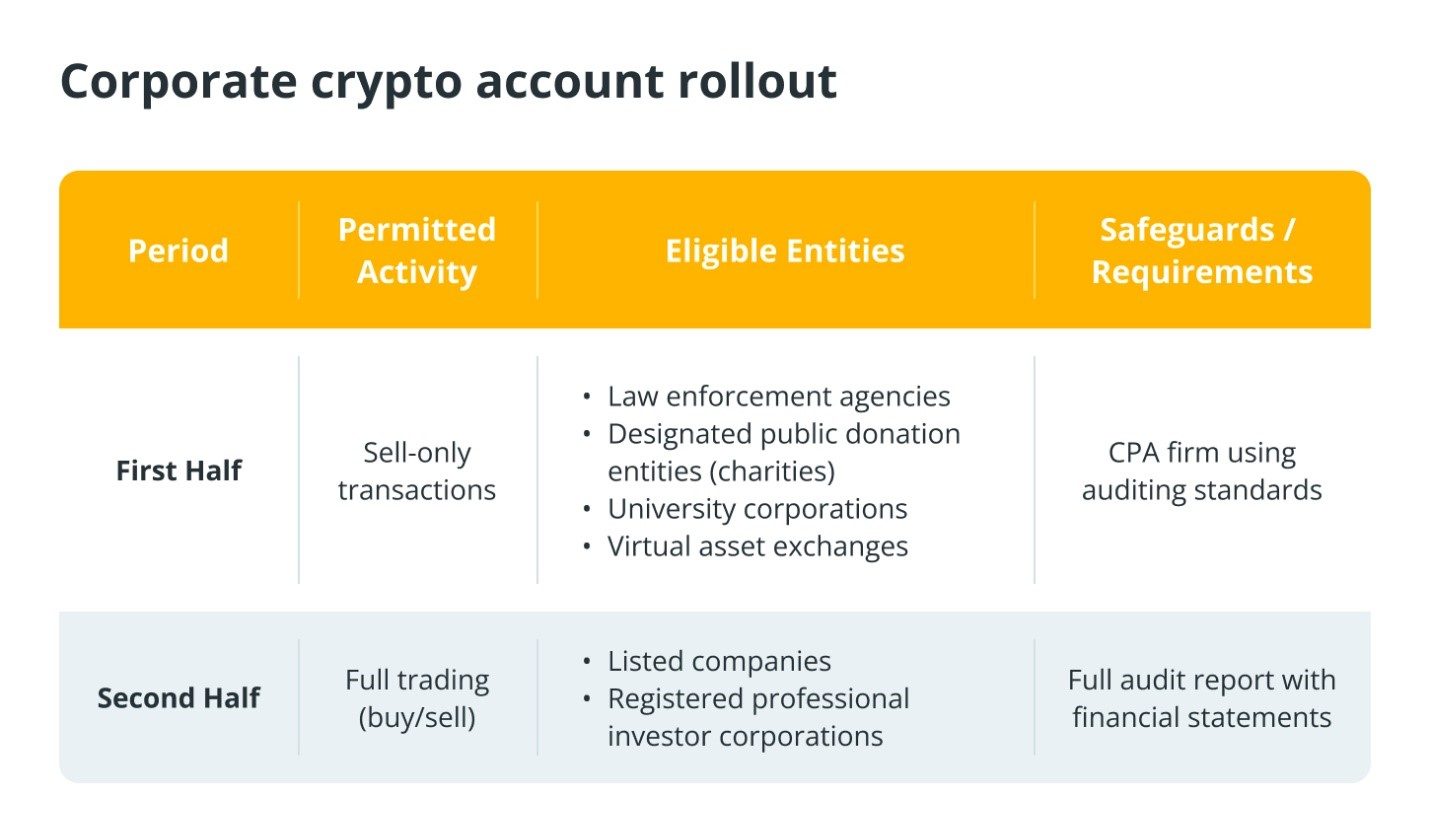
FSC will later allow public companies to trade cryptocurrencies
Starting from June 1, 2025, non-profit organizations in South Korea will be allowed to sell cryptocurrency received through donation activities, while exchanges may liquidate cryptocurrencies used as transaction fees for users. However, both groups must comply with strict standards for Identity Verification (KYC) and Anti-Money Laundering (AML), including the use of real-name accounts for all transactions.
According to the new guidelines from the Financial Services Commission of Korea (FSC), non-profit organizations must have a minimum of 5 years of audited financial operations to be eligible to receive and sell cryptocurrency. Meanwhile, exchanges are only allowed to sell cryptocurrency to offset operational costs and must comply with daily liquidation limits set by the regulatory authority.
It is expected that by the end of this year, the FSC will continue to expand the legal framework by allowing publicly listed companies and recognized organizations as professional investors to participate in the buying and selling of cryptocurrencies legally.
Currently, about 16 million South Koreans – equivalent to nearly one third of the population – own cryptocurrency accounts, indicating the increasing popularity and profound influence of digital assets in the national economy.
Notably, even in the public sector, cryptocurrency has made a clear foothold. According to a report on March 27 from the Ethics Committee for Government Officials, 20% of (411 public officials) out of 2,047 officials required to declare digital assets have reported holding a total of 14.4 billion won ( equivalent to 9.8 million dollars) in cryptocurrency.
South Korea once witnessed a cryptocurrency boom in 2017, largely driven by anonymous accounts owned by businesses, foreigners, and even minors. In response to the uncontrolled development, the government forced domestic exchanges to collaborate with banks and only provide fiat services through verified real-name bank accounts, laying the groundwork for the strictly compliant ecosystem we have today.
Dinh Dinh