

Giao dịch
Cơ bản
Giao ngay
Giao dịch tiền điện tử một cách tự do
Giao dịch ký quỹ
Tăng lợi nhuận của bạn với đòn bẩy
Chuyển đổi và Đầu tư định kỳ
0 Fees
Giao dịch bất kể khối lượng không mất phí không trượt giá
ETF
Sản phẩm ETF có thuộc tính đòn bẩy giao dịch giao ngay không cần vay không cháy tải khoản
Trước giờ mở cửa
Giao dịch các token mới trước khi chúng được niêm yết chính thức
Nâng cao
DEX
Giao dịch trên chuỗi với Gate Wallet
Alpha
Point
Nhận các token đầy hứa hẹn trong giao dịch trên chuỗi được tối ưu hóa
Bot
Giao dịch chỉ bằng một cú nhấp chuột với các chiến lược thông minh tự động chạy
Sao chép
Tăng trưởng sự giàu có bằng cách theo dõi các nhà giao dịch hàng đầu
Giao dịch CrossEx
Beta
Một số dư ký quỹ, chia sẻ xuyên nền tảng
Futures
Futures
Hàng trăm hợp đồng được thanh toán bằng USDT hoặc BTC
TradFi
Vàng
Giao dịch tài sản truyền thống toàn cầu bằng USDT ở một nơi
Quyền chọn
Hot
Giao dịch với các quyền chọn kiểu Châu Âu
Tài khoản hợp nhất
Tối đa hóa hiệu quả sử dụng vốn của bạn
Giao dịch demo
Bắt đầu với Hợp đồng
Nắm vững kỹ năng giao dịch hợp đồng từ đầu
Sự kiện tương lai
Tham gia các sự kiện để giành được những phần thưởng hậu hĩnh
Giao dịch demo
Sử dụng tiền ảo để trải nghiệm giao dịch không rủi ro
Kiếm tiền
Launch
CandyDrop
Sưu tập kẹo để kiếm airdrop
Launchpool
Thế chấp nhanh, kiếm token mới tiềm năng
HODLer Airdrop
Nắm giữ GT và nhận được airdrop lớn miễn phí
Launchpad
Đăng ký sớm dự án token lớn tiếp theo
Điểm Alpha
Giao dịch tài sản on-chain và tận hưởng phần thưởng airdrop!
Điểm Futures
Kiếm điểm futures và nhận phần thưởng airdrop
Đầu tư
Simple Earn
Kiếm lãi từ các token nhàn rỗi
Đầu tư tự động
Đầu tư tự động một cách thường xuyên.
Sản phẩm tiền kép
Mua thấp và bán cao để kiếm lợi nhuận từ biến động giá
Soft Staking
Kiếm phần thưởng với staking linh hoạt
Vay Crypto
0 Fees
Thế chấp một loại tiền điện tử để vay một loại khác
Trung tâm cho vay
Trung tâm cho vay một cửa
Trung tâm tài sản VIP
Quản lý tài sản tùy chỉnh giúp tăng trưởng tài sản của bạn
Quản lý tài sản cá nhân
Quản lý tài sản tùy chỉnh giúp tăng trưởng tài sản kỹ thuật số của bạn
Quỹ định lượng
Đội ngũ quản lý tài sản hàng đầu giúp bạn kiếm lợi nhuận mà không cần lo lắng
Staking
Stake tiền điện tử để kiếm tiền từ các sản phẩm PoS
Đòn bẩy thông minh
New
Không bị thanh lý bắt buộc trước hạn, không phải lo lắng về lợi nhuận đòn bẩy
Đúc GUSD
Sử dụng USDT/USDC để đúc GUSD với lợi suất tương đương kho bạc

Thêm





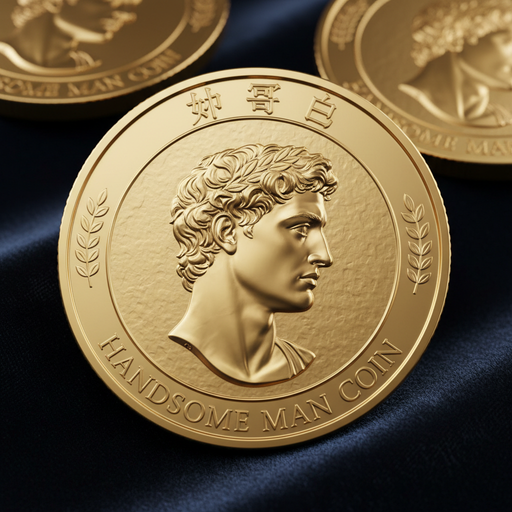

Could USDT Take the Throne? Stablecoin vs. Bitcoin and Ethereum for Crypto Leadership - Crypto Economy
TL;DR
The USDT stablecoin, long viewed as a tool for short-term liquidity, is gaining attention as a potential leader in the crypto market. Analyst Mike McGlone notes that dollar-pegged tokens like USDT could overtake Bitcoin and Ethereum in influence due to their utility, stability, and adoption in financial operations.
Why USDT Is Expanding Its Global Footprint
USDT, issued by Tether, maintains a 1:1 peg to the US dollar, providing a predictable value for users worldwide. Unlike volatile cryptocurrencies, it serves as a transactional asset for traders who want to stay on exchanges during turbulent periods. On many platforms, USDT functions as the primary quote currency, streamlining trading and settlement for hundreds of digital assets.
Cross-border transactions further boost USDT’s relevance. Individuals and businesses use it to move funds quickly without relying on slow or costly banking channels. In regions with local currency instability, stablecoins increasingly act as a reliable store of value, showing that demand is not just speculative but structural. Transaction volume, network integration, and daily usage reinforce USDT’s central role in the crypto ecosystem.
The Shift From Volatility To Stability
Bitcoin and Ethereum remain dominant in market capitalization, but their high price swings create opportunities for stablecoins to capture liquidity. During periods of intense volatility, investors rotate into USDT to maintain exposure to crypto while avoiding large fluctuations. Institutions also prefer stable tokens for predictable settlements in decentralized finance applications.
Stablecoins like USDT are embedded into lending protocols, derivatives platforms, and yield strategies, which generates persistent demand independent of market cycles. As adoption increases for cross-border payments and DeFi operations, USDT’s influence grows steadily, highlighting that stable-value infrastructure may redefine leadership in digital assets.

Structural Trends Supporting USDT’s Rise
Regulatory progress in multiple jurisdictions is shaping frameworks for stablecoins, offering transparency and reserve oversight that institutional users seek. Integration into DeFi and payment systems gives USDT functional advantages over other cryptocurrencies, while its use in global remittances demonstrates real-world utility. Analysts argue that these factors create a foundation for long-term dominance beyond mere speculation.
If adoption continues, USDT could serve as a bridge between traditional finance and blockchain systems. While Bitcoin and Ethereum maintain their technological leadership, the market increasingly values liquidity, settlement efficiency, and reliable transaction channels. This shift suggests that future crypto influence may depend as much on practical use as on innovation or scarcity.