


Futures
Access hundreds of perpetual contracts
TradFi
Gold
One platform for global traditional assets
Options
Hot
Trade European-style vanilla options
Unified Account
Maximize your capital efficiency
Demo Trading
Futures Kickoff
Get prepared for your futures trading
Futures Events
Join events to earn rewards
Demo Trading
Use virtual funds to practice risk-free trading
Launch
CandyDrop
Collect candies to earn airdrops
Launchpool
Quick staking, earn potential new tokens
HODLer Airdrop
Hold GT and get massive airdrops for free
Launchpad
Be early to the next big token project
Alpha Points
Trade on-chain assets and earn airdrops
Futures Points
Earn futures points and claim airdrop rewards





Weak Jobs Data and Rising Oil Prices at the Same Time: Why Investors Are Now Facing a Much Harder Market to Read
Investors are getting served up a double dose of bad economic news.
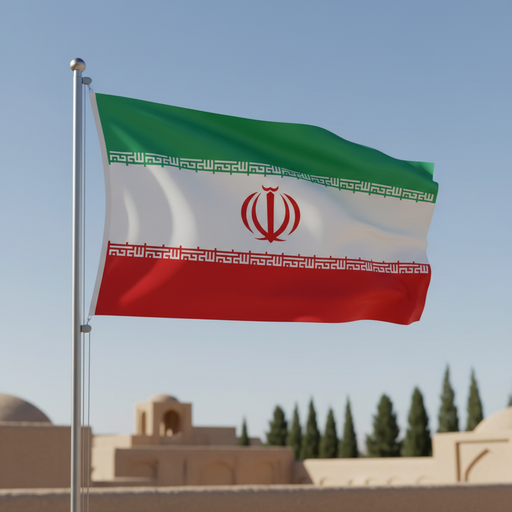
Just as oil prices were spiking on the Iran conflict, topping $100 a barrel for the first time in four years, the Bureau of Labor Statistics reported that 92,000 jobs were lost in the U.S. in February.
Stocks tumbled on Friday and continued to fall on Monday in response to the fallout from the war and growing fears that it could last longer than the Trump administration intended, hammering the global economy through its impact on energy prices.
The February jobs report showed most major sectors losing jobs, including healthcare, information, federal government, and transportation and warehousing. The unemployment rate held steady at 4.4%.
The loss of jobs is a problem for the economy, not just for obvious reasons, but also because it complicates the Federal Reserve’s interest rate decisions, especially when combined with rising oil prices.
Image source: Getty Images.
The risk of stagflation
With jobs falling and oil prices rising, investors are beginning to talk about the risk of stagflation, or high unemployment and high inflation. The last time the economy was wracked by stagflation was in the 1970s and early 1980s during that era’s energy crisis.
While the U.S. is a much larger producer of oil now than it was then, oil is priced based on a global market, and it’s a factor in transportation and almost any product that needs to be shipped, meaning high energy prices can push prices up in other sectors.
In response to fears of stagflation, treasury yields have risen in recent days, which can be driven by bets that the Fed is less likely to lower interest rates. However, the weakening labor market also plays into that as the Fed has a dual mandate to keep inflation around 2% and maximize employment. The unemployment rate held steady at 4.4% last month, but it’s likely to rise if the number of jobs keeps falling.
What it means for investors
The **CBOE Volatility Index **(NYSEMKT: ^VIX), also known as the fear gauge, has spiked since the war in Iran broke out, reaching its highest level in nearly a year.
That’s a sign that investors should expect an uncertain and volatile stock market. We’ll get an update from the Federal Reserve in its rate decision next week, but investors should be prepared for swings in the market as it’s unclear where the war will go from here.
Meanwhile, if oil prices remain elevated and jobs continue to disappear, a significant pullback in the stock market seems more likely than not.