


Futures
Access hundreds of perpetual contracts
TradFi
Gold
One platform for global traditional assets
Options
Hot
Trade European-style vanilla options
Unified Account
Maximize your capital efficiency
Demo Trading
Futures Kickoff
Get prepared for your futures trading
Futures Events
Join events to earn rewards
Demo Trading
Use virtual funds to experience risk-free trading
Launch
CandyDrop
Collect candies to earn airdrops
Launchpool
Quick staking, earn potential new tokens
HODLer Airdrop
Hold GT and get massive airdrops for free
Launchpad
Be early to the next big token project
Alpha Points
Trade on-chain assets and earn airdrops
Futures Points
Earn futures points and claim airdrop rewards







Recently, many DeFi protocols have shut down, and they all have a common characteristic.
Compared to the direct exit scam in 2022, the industry has learned to die responsibly.
Written by: Ignas
Translated by: Chopper, Foresight News
In the past two months, at least 10 crypto protocols have announced shutdowns. Not because they ran away with funds, but due to lack of users, lack of funds, or both.
Not to mention miners and lending platforms like BlockFills freezing withdrawals. Just yesterday, Angle also announced (https://x.com/AngleProtocol/status/2029161525580112263) the gradual shutdown of EURA and USDA stablecoins, despite them having a total locked value (TVL) of $250 million and good business partnerships.
In their announcement, Angle stated, “The decentralized stablecoin track has completely changed. Now, yield-bearing stablecoins are essentially just branded wrappers on existing vaults and lending protocols, with no need to maintain a separate infrastructure.”
Almost all of these shutdown projects had functioning products:
I’ve used or at least experienced these products. The technology was solid, but no one was willing to pay to keep them alive.
MilkyWay is a typical example: less than two years, four transformations. Initially focused on Celestia liquidity staking, then shifted to re-staking, RWA tokenization, and crypto debit cards for paying rent… Each pivot chased the hot trend at the time.
Their description of re-staking is quite painful: “We saw the re-staking opportunity early, designed the system, reached a TVL of $250 million, completed security audits, and prepared to launch. But the market abandoned re-staking faster than anyone expected.”
In the end, they had to admit they couldn’t sustain until finding product-market fit.
Polynomial’s team explained their failure very straightforwardly, offering a lesson for all perpetual contract projects: “In derivatives, technical prowess is useless. We improved execution speed, optimized user experience, built innovative infrastructure, but none of it mattered. Traders go where there’s liquidity, and we had none. All the fancy features are just window dressing.”
The conclusion is even harsher: “Liquidity is the only moat for derivatives. You can’t beat liquidity with innovation, marketing, or development.”
The closure of ZeroLend serves as a warning to those trying to launch decentralized applications across multiple blockchains. They bet on niche chains like Manta, Zircuit, and Xlayer, but when the market turned bearish, these chains had no liquidity, and oracle services also shut down.
Ultimately, operating at a loss for too long became unsustainable.
Recently, Aave also voted to shut down services on several chains, citing unprofitability as the reason.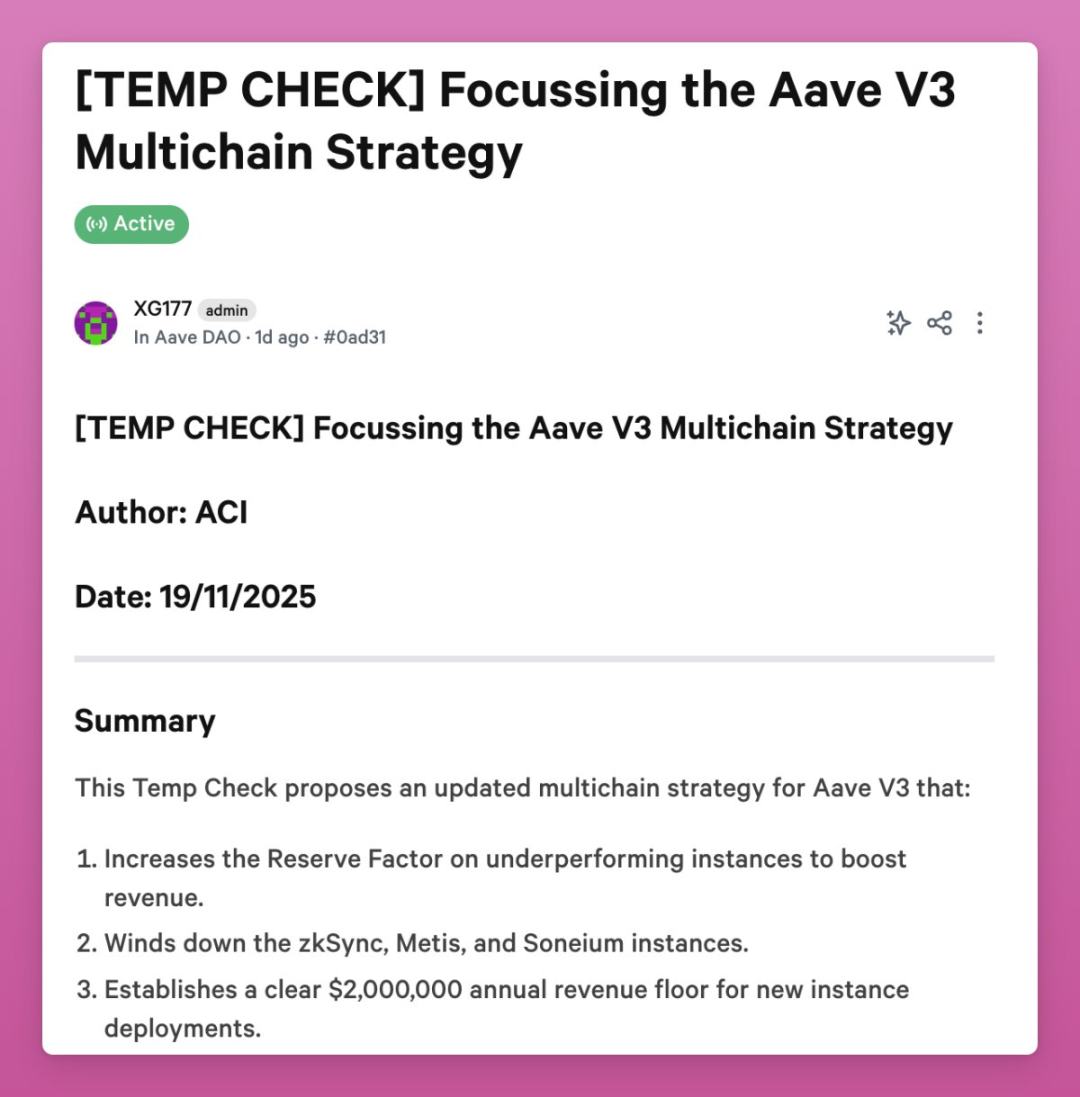
There’s also Parsec, once a legendary tool in the community, used to track Terra, 3AC, and stETH depegs. But the team admitted, “After the FTX crash, DeFi spot trading, lending, and leverage never returned to how they were. The market has changed, on-chain behavior has changed, and we didn’t truly understand it.”
Simply put, the market has shifted, but we remain stuck. The market is brutal.
After Slingshot was acquired, it was completely shut down. Eden cut 80% of unprofitable products, leaving only core services.
As they said, “The 80/20 rule has become a reality: products that cost 80% of our resources only generate 20% of the revenue.”
Finally, Step Finance is somewhat unique: on January 31, it was hacked for $26 million and declared dead. “We tried fundraising, was acquired, but none of it worked.”
What do these failed projects have in common? They failed to adapt to the ever-changing market and lacked the funds to pivot again.
Each team bet on a certain ecosystem exploding, but the results were either too slow or nonexistent. Celestia DeFi never truly took off, and on-chain derivatives struggled to compete with Hyperliquid, even veteran platforms like dydx and GMX faced difficulties.
Expanding into new chains and narrative fields is costly.
For players like me, transferring funds from one platform to another is easy and inexpensive. But applications require more time and financial investment to prepare for potential new user bases.
The good news is, these are all “dignified deaths.” All projects gave users time to withdraw, teams didn’t run away, and they didn’t recklessly dump tokens for quick gains. Compared to the 2022 exit scams, the industry has indeed learned to die responsibly.