Diferente dos NFTs PFP tradicionais, os NFTs Slonks não são estáticos — eles evoluem de forma contínua à medida que os valores de Merge, Void e slop mudam, tornando todo o ecossistema semelhante a um experimento de arte IA on-chain.
Com base nos mecanismos centrais do Slonks, modelos on-chain, uma estrutura de oferta dinâmica e suas diferenças em relação aos CryptoPunks, surge um ecossistema experimental de ativos digitais que combina NFTs, arte IA e teoria dos jogos on-chain.
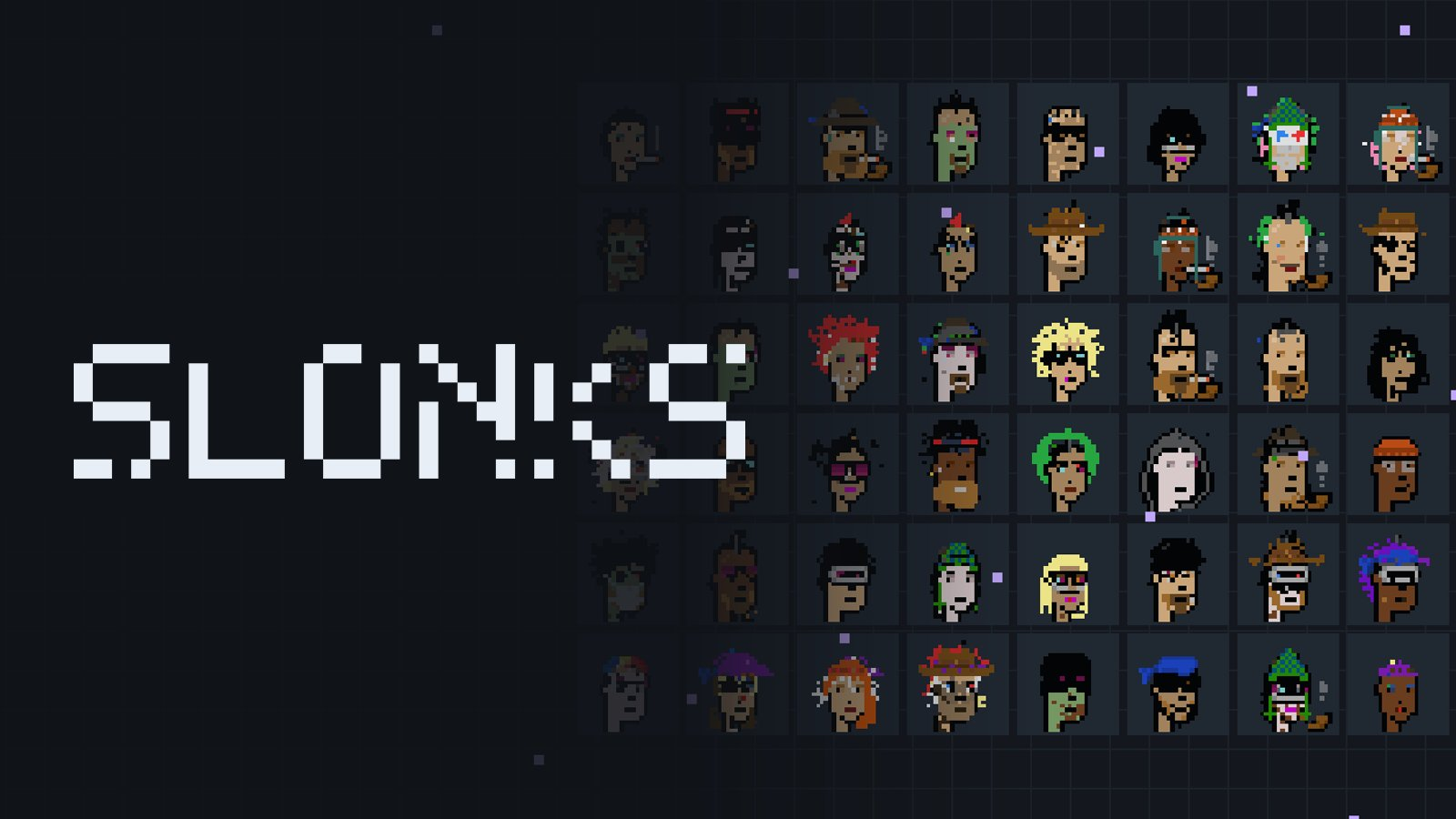
O que é Slonks NFT?
O Slonks utiliza reconstrução neural por IA para regenerar imagens clássicas dos CryptoPunks on-chain, criando um ecossistema NFT dinâmico por meio dos mecanismos Merge, Void e SLOP.
Slonks não é um NFT PFP tradicional — trata-se de um sistema experimental de ativos digitais que integra arte IA, lógica generativa on-chain e mecânicas de queima de NFT.
Enquanto coleções convencionais de NFT dependem de escassez fixa e imagens estáticas, Slonks permite a evolução contínua dos NFTs por meio de Merge (combinação), Void (queima) e variações no valor de slop.
O ecossistema é centrado na reconstrução de imagens por IA, interação on-chain, escassez variável de NFT e circulação do token SLOP, abrangendo experimentação artística em NFT e controle on-chain.
Como o Slonks utiliza IA para reconstruir CryptoPunks
Um dos principais mecanismos do Slonks é o uso de modelos neurais on-chain para regenerar e reconstruir imagens dos CryptoPunks em nível de pixel.
Slonks não copia simplesmente os CryptoPunks; ele utiliza redes neurais para “reconstruir” as imagens originais dos Punks, criando representações visuais inéditas de NFT.
O processo de Reconstrução por IA preserva traços dos Punks originais, mas introduz desvios de pixel, alterações de cor e artefatos visuais — tornando cada Slonk distintamente distorcido.
Slonks se aproxima mais de arte generativa on-chain do que de NFTs de avatar convencionais.
| Comparação |
Slonks NFT |
NFT PFP tradicional |
| Geração de imagem |
Reconstrução neural por IA |
Combinação de ativos estáticos |
| Evolução da imagem |
Evolução contínua |
Imagem fixa |
| Lógica de dados |
Computação on-chain |
Geração off-line |
| Escassez |
Dinâmica |
Quantidade fixa |
| Erro de imagem |
Desvio de slop presente |
Normalmente sem erros |
Assim, o valor do Slonks deriva tanto do NFT quanto do processo de geração on-chain e da reconstrução por IA.
O que é o valor de slop em Slonks
Slop é uma métrica fundamental no ecossistema Slonks, que mede o desvio entre a imagem reconstruída por IA e o Punk original.
Na prática, slop é um “valor de erro de imagem” — quanto maior o slop, mais divergente visualmente é o NFT.
Slonks não busca replicar os CryptoPunks; os modelos neurais geram diferentes graus de distorção, tornando o slop um indicador essencial de escassez e valor experimental.
O valor de slop afeta tanto as características da coleção quanto a quantidade de tokens SLOP gerados.
Na mecânica, ações de Merge alteram o valor de slop, enquanto o Void libera SLOP com base nesse valor. Assim, os NFTs Slonks funcionam como ativos visuais e instrumentos de incentivo on-chain e evolução do ecossistema.
Como funciona o modelo neural on-chain do Slonks
O modelo de IA do Slonks é estruturado na reconstrução neural on-chain.
Enquanto projetos tradicionais de NFT geram imagens off-chain, o Slonks integra geração de imagens e mudanças de estado diretamente nas interações on-chain, utilizando reconstrução por rede neural, atualizações de estado on-chain e lógica de evolução de NFT.
Cada Merge recalcula a imagem do NFT e gera um novo resultado visual.
Portanto, os NFTs não são estáticos — eles mudam continuamente em resposta à atividade on-chain. Imagens, valores de slop e escassez evoluem conforme as interações do ecossistema.
| Módulo |
Função |
| Reconstrução por IA |
Geração de imagens reconstruídas |
| Motor de Merge |
Realiza Merge de NFTs |
| Sistema Void |
Queima NFTs |
| Cálculo de Slop |
Calcula valor de erro |
| Lógica de token |
Gera SLOP |
Em essência, Slonks é um experimento NFT on-chain, não apenas uma coleção de avatares.
Como o mecanismo Merge transforma os NFTs Slonks
Merge é um dos mecanismos principais do Slonks, aprimorando um NFT ao queimar outro.
Cada Merge consome um Slonk e eleva o status do NFT remanescente, alterando sua imagem e recalculando o valor de slop.
Enquanto NFTs tradicionais têm oferta fixa, o Merge do Slonks reduz continuamente o número de NFTs, tornando a escassez do ecossistema dependente das ações dos usuários.
| Tipo de mudança |
Impacto |
| Menos NFTs |
Maior escassez |
| Nova imagem gerada |
Estado de IA atualizado |
| Slop mais alto |
Potencial ampliado de liberação de SLOP |
Essa lógica de “queimar e aprimorar” aproxima Slonks de projetos de arte experimental on-chain.
Como o mecanismo Void gera tokens SLOP
Void é o processo central no Slonks para converter NFTs em tokens SLOP.
Com o Void, usuários queimam NFTs permanentemente e recebem tokens SLOP conforme o valor de slop.
Após o Void, o NFT é desmontado em ativos de incentivo on-chain — transformando NFTs de colecionáveis em recursos do ecossistema.
O Void reduz a oferta de NFTs e amplia a circulação de SLOP, conectando diretamente os NFTs Slonks ao token SLOP.
À medida que a oferta de NFTs diminui, os remanescentes ficam mais escassos, enquanto a circulação de SLOP aumenta. Slonks une a lógica de queima de NFT aos incentivos on-chain.
Por que a escassez do Slonks é dinâmica
A escassez de Slonks é dinâmica — definida pelas ações de Merge e Void.
Projetos tradicionais de NFT estabelecem a oferta total no lançamento, mas os NFTs Slonks diminuem ao longo do tempo, mantendo a estrutura de oferta em constante mudança.
Essa escassez dinâmica resulta do Merge (redução da oferta por fusão de NFTs) e do Void (queima permanente para gerar SLOP).
Assim, Slonks transforma a escassez de NFT de “emissão estática” em “teoria de jogos dinâmica on-chain”. Quantidade de NFTs, valores de slop e interações on-chain definem o ecossistema.
Por isso, Slonks é considerado um projeto NFT experimental.
Slonks vs CryptoPunks: como NFTs reconstruídos por IA diferem dos PFPs clássicos
Embora as imagens de Slonks sejam derivadas dos CryptoPunks, a lógica de design dos dois projetos é completamente diferente.
CryptoPunks destaca o valor clássico de colecionável NFT. Slonks prioriza reconstrução por IA, evolução on-chain e escassez dinâmica.
| Comparação |
Slonks |
CryptoPunks |
| Lógica de imagem |
Reconstrução neural por IA |
Pixel art original |
| Status do NFT |
Mutável |
Fixo |
| Escassez |
Dinâmica |
Oferta total fixa |
| Mecanismo de queima |
Merge e Void |
Nenhum |
| Mecanismo de token |
SLOP existe |
Sem token nativo |
| Direção artística |
Arte experimental por IA |
Colecionável PFP clássico |
CryptoPunks são ativos históricos de NFT; Slonks é um experimento artístico on-chain.
Assim, os interesses dos usuários divergem: CryptoPunks é valorizado pela história e colecionabilidade; Slonks, pelas mecânicas evolutivas e caráter experimental.
Valor artístico, natureza experimental e limitações do ecossistema Slonks
O principal valor do Slonks é ser um experimento de arte IA on-chain.
A reconstrução neural, Merge e evolução dinâmica de NFT rompem com o padrão dos ativos NFT estáticos.
O experimentalismo está nas mudanças de imagem por IA, evolução do status do NFT e estrutura dinâmica de oferta. Em vez de escassez fixa, o ecossistema remodela constantemente os NFTs por mecânicas on-chain.
Mas essa estrutura traz limitações.
Como o ecossistema depende de mecanismos experimentais, a precificação dos NFTs é mais complexa, os padrões de coleção são menos definidos e a compreensão do usuário exige mais conhecimento do que NFTs PFP tradicionais.
Em comparação com projetos NFT clássicos, Slonks depende mais do reconhecimento comunitário de arte experimental on-chain e reconstrução por IA.
Resumo
Slonks NFT é um projeto experimental que une reconstrução neural por IA, geração on-chain e escassez dinâmica de NFT.
Esse sistema NFT em evolução é estruturado em torno de Reconstrução por IA, Merge, Void, valores de slop e tokens SLOP.
Diferente dos NFTs PFP tradicionais, Slonks enfatiza experimentação artística on-chain, mudanças de estado do NFT e oferta dinâmica. Slonks não é apenas uma coleção de NFTs — é um ecossistema experimental de ativos digitais impulsionado por geração de imagens por IA e mecânicas on-chain.
Perguntas Frequentes
O que é Slonks NFT
Slonks NFT é um projeto NFT on-chain gerado por reconstrução neural de IA. Suas imagens se relacionam aos CryptoPunks, mas possui estrutura evolutiva on-chain própria.
Qual é o papel do valor de slop em Slonks
Slop mede o quanto a imagem reconstruída por IA se afasta do Punk original, afetando tanto a escassez do NFT quanto a geração de tokens SLOP.
Como funciona o mecanismo Merge
Merge consome um NFT Slonks para aprimorar outro, regenerando sua imagem e valor de slop.
Por que o Void gera SLOP
Void queima NFTs de forma permanente e libera tokens SLOP conforme o valor de slop.
Quais as diferenças entre Slonks e CryptoPunks
CryptoPunks foca em colecionabilidade clássica de NFT; Slonks prioriza reconstrução por IA, evolução on-chain e escassez dinâmica.
SLOP token é um meme coin
SLOP é um ativo de incentivo on-chain dentro do ecossistema NFT, impulsionado pelo mecanismo Void — não segue o modelo típico de emissão de meme coin.