ILITY berfokus pada identitas on-chain, Zero-Knowledge Proof, dan privasi data. Tujuan utamanya adalah memungkinkan pengguna memverifikasi identitas, membuktikan aset, dan mengautentikasi perilaku tanpa harus mengungkapkan seluruh data mereka. Sistem ini mengutamakan data cross-chain, verifikasi privasi, dan kontrol pengguna, dengan ILITY sebagai komponen utama dalam ekosistemnya.
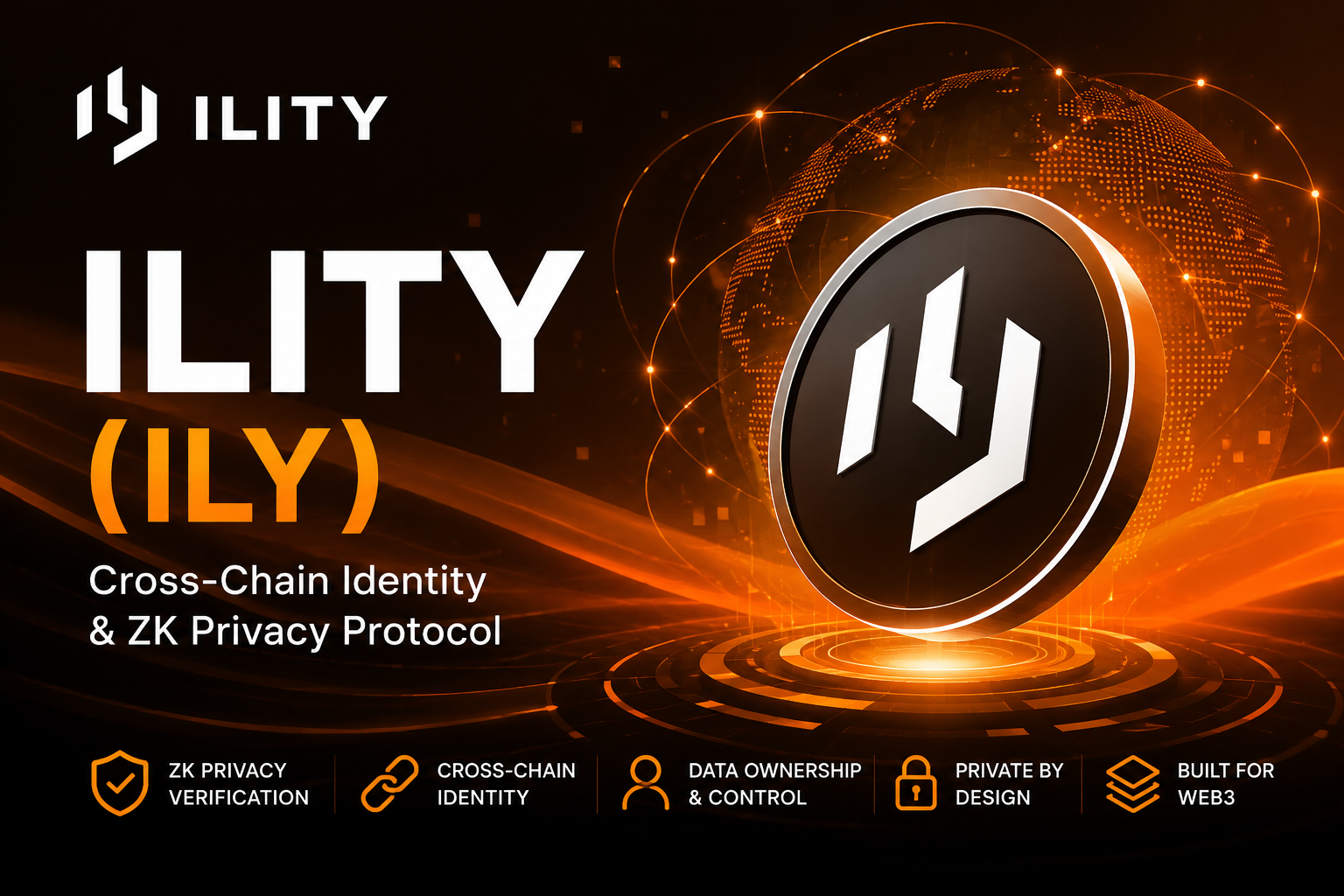
Seiring semakin banyak pengguna berinteraksi lintas Blockchain, sistem akun single-chain tradisional tidak lagi mampu mewakili identitas on-chain pengguna secara akurat. ILITY hadir sebagai infrastruktur Web3 fundamental untuk identitas cross-chain dan verifikasi privasi. Tujuan utamanya adalah membantu pengguna memverifikasi data on-chain sekaligus menjaga privasi.
ILITY bukan sekadar aplikasi tunggal, melainkan kerangka kerja protokol yang mengintegrasikan sistem identitas, verifikasi ZK, dan agregasi data multi-chain. Pengguna dapat memverifikasi aset, aktivitas on-chain, atau status akun melalui ILITY—tanpa perlu mengungkapkan seluruh data dompet ke luar.
Pendekatan ini memungkinkan pengguna membangun identitas on-chain yang dapat diverifikasi, sekaligus tetap mengendalikan data yang ditampilkan. Bagi ekosistem Web3, protokol seperti ini sangat penting karena mengatasi ketegangan antara transparansi on-chain dan privasi pengguna.
Berbeda dari sistem akun konvensional, model identitas ILITY mengutamakan kepemilikan data. Sistem ini dibangun berdasarkan otonomi pengguna, verifikasi perilaku cross-chain, dan Zero-Knowledge Proof, bukan mengandalkan platform terpusat untuk penyimpanan informasi akun.
Cara ILITY Memverifikasi Identitas On-Chain Cross-Chain
Di lingkungan multi-chain, pengguna biasanya memiliki banyak dompet, akun aset, dan catatan interaksi di berbagai chain. Salah satu fitur utama ILITY adalah mengonsolidasikan data terfragmentasi ini menjadi identitas on-chain yang dapat diverifikasi.
Yang terpenting, ILITY tidak mewajibkan pengguna mengungkapkan seluruh data mereka. ILITY menggunakan mekanisme verifikasi untuk memastikan apakah kondisi tertentu terpenuhi. Contohnya, pengguna dapat membuktikan kepemilikan aset tertentu, penyelesaian aktivitas on-chain tertentu, atau memenuhi kriteria identitas—tanpa mengungkapkan saldo dompet atau riwayat transaksi secara penuh.
Sistem identitas cross-chain ILITY biasanya mencakup:
- Integrasi data multi-chain
- Pemetaan identitas
- Verifikasi zero-knowledge
- Kontrol izin
Gabungan modul-modul ini membentuk kerangka kerja verifikasi identitas on-chain.
Pendekatan ini membuat identitas Web3 melampaui alamat dompet tunggal, membangun profil pengguna yang lebih lengkap berdasarkan aktivitas cross-chain. Proses verifikasi tetap menjaga privasi pengguna dengan menyembunyikan data sensitif.
Untuk aplikasi on-chain, verifikasi identitas cross-chain juga penting untuk manajemen izin, reputasi on-chain, autentikasi aset, serta kasus sosial dan tata kelola.
Cara Zero-Knowledge Proof Beroperasi di ILITY
Verifikasi Blockchain tradisional mengandalkan data publik, sementara Zero-Knowledge Proof berfokus pada pembuktian tanpa mengungkapkan detail dasar. Model privasi ILITY didasarkan pada prinsip ini.
Zero-Knowledge Proof memungkinkan pengguna memverifikasi kondisi tanpa mengungkapkan detail penuh. Contohnya, pengguna dapat membuktikan bahwa mereka memenuhi kriteria tertentu tanpa mengungkapkan struktur aset, riwayat transaksi, atau data identitas.
Mekanisme ZK ILITY umumnya terdiri dari:
| Modul |
Fungsi |
| Data input |
Menyediakan informasi aktivitas on-chain |
| ZK proof generation |
Membentuk hasil verifikasi privasi |
| Verification layer |
Mengonfirmasi apakah kondisi terpenuhi |
| Permission system |
Mengontrol visibilitas data |
| Identity mapping |
Mengasosiasikan aktivitas akun cross-chain |
Hal ini menjadikan ILITY lebih dari sekadar protokol penyimpanan data; ILITY adalah sistem koordinasi data yang berfokus pada verifikasi privasi. Bagi pengguna Web3, ZK Proof membantu mengurangi eksposur data yang tidak diperlukan.
Berbeda dari model data publik on-chain tradisional, ILITY menekankan minimisasi pengungkapan informasi. Ini sangat penting untuk verifikasi identitas, bukti aset, dan sistem reputasi, di mana pengungkapan penuh tidak diperlukan.
Cara ILITY Mengagregasi Aset dan Aktivitas Multi-Chain
Seiring semakin banyak aktivitas cross-chain, aset dan interaksi pengguna tersebar di berbagai jaringan. Salah satu fungsi utama ILITY adalah membantu pengguna mengonsolidasikan data terfragmentasi ini.
Inti ILITY adalah membangun lapisan identitas yang terintegrasi. Dompet, aset, dan catatan aktivitas dari berbagai chain dipetakan ke dalam struktur verifikasi tunggal. Identitas on-chain didasarkan pada hubungan cross-chain, bukan hanya satu alamat.
ILITY mengklasifikasikan dan memverifikasi perilaku di seluruh jaringan, menggunakan kontrol privasi untuk mengelola visibilitas data. Prosesnya lebih mirip agregasi identitas on-chain daripada sinkronisasi database tradisional.
Hal ini semakin penting karena aset multi-chain, interaksi cross-chain, dan partisipasi protokol kini menjadi bagian kunci dari identitas on-chain.
Bagi pengembang, integrasi data multi-chain memungkinkan sistem verifikasi pengguna yang lebih tangguh. Kontrol izin, sertifikasi reputasi, dan hadiah ekosistem semuanya dapat bergantung pada struktur identitas cross-chain.
Peran Token ILY di Jaringan ILITY
Dalam ekosistem ILITY, ILY berfungsi sebagai media interaksi jaringan, operasi protokol, dan insentif ekosistem. Ini adalah token utilitas yang menghubungkan verifikasi identitas, pemanggilan data, dan partisipasi ekosistem.
Peran ILY biasanya meliputi:
- Biaya interaksi protokol
- Insentif verifikasi data
- Partisipasi tata kelola jaringan
- Koordinasi node
Gabungan peran ini membentuk struktur ekonomi ILITY.
Desainnya menghubungkan verifikasi identitas dan pemanggilan data dengan sistem ekonomi on-chain. Misalnya, pengguna atau aplikasi dapat membayar dengan ILY untuk layanan verifikasi, sementara node yang menjaga jaringan dapat memperoleh insentif.
ILY menjadi lebih dari sekadar token pembayaran—ILY adalah elemen kunci yang menghubungkan data, verifikasi, dan operasi ekosistem. Dalam protokol privasi, mekanisme token juga membantu koordinasi alokasi sumber daya antar peserta.
Detail lebih lanjut tentang pasokan, mekanisme rilis, dan tata kelola biasanya tersedia di halaman Cluster khusus.
Fitur Utama Mekanisme Privasi On-Chain ILITY
Berbeda dengan struktur chain publik, ILITY berfokus pada pengungkapan selektif. Pengguna tidak perlu mengungkapkan seluruh data—mereka mengendalikan apa yang diverifikasi dan apa yang tetap tersembunyi.
ILITY berupaya menyeimbangkan transparansi Blockchain dan privasi. Dengan Zero-Knowledge Proof dan kontrol izin, pengguna dapat mengungkapkan hanya hasil verifikasi yang esensial, bukan seluruh riwayat on-chain mereka.
Mekanisme privasi ILITY biasanya berpusat pada:
- Minimasi data
- Isolasi identitas on-chain
- Verifikasi izin
- Bukti privasi
Ini sangat penting karena data on-chain yang sepenuhnya publik, meski transparan, dapat mengekspos aset, memungkinkan pelacakan, dan menghubungkan identitas. Desain ILITY bertujuan mengurangi risiko ini.
Untuk aplikasi Web3, verifikasi privasi juga dapat digunakan dalam skenario sosial, identitas, autentikasi data, dan institusi.
Cara ILITY Berbeda dari Protokol Identitas On-Chain Tradisional
Protokol identitas on-chain tradisional mengutamakan pemetaan identitas publik, sementara ILITY menekankan verifikasi privasi dan kontrol data. Perbedaan utama terletak pada pengelolaan visibilitas data.
Perbandingan:
| Dimensi |
Protokol Identitas On-Chain Tradisional |
ILITY |
| Pengungkapan data |
Pemetaan publik |
Verifikasi selektif |
| Struktur identitas |
Single-chain atau alamat tetap |
Agregasi identitas multi-chain |
| Mekanisme privasi |
Terbatas |
Dukungan ZK Proof |
| Kontrol data |
Dipimpin protokol/platform |
Dipimpin pengguna |
| Logika verifikasi |
Pengungkapan data penuh |
Verifikasi conditional |
Secara keseluruhan, ILITY adalah protokol identitas yang mengutamakan privasi. ILITY tidak hanya bertujuan membuktikan identitas, tetapi juga meminimalkan kebocoran data saat verifikasi.
Hal ini menjadikan ILITY ideal untuk kasus penggunaan yang memerlukan bukti aset, autentikasi perilaku, dan perlindungan privasi, sementara protokol tradisional berfokus pada transparansi.
Keunggulan, Keterbatasan, dan Tantangan ILITY
Keunggulan utama ILITY adalah integrasi identitas cross-chain dan mekanisme privasi ZK. Untuk ekosistem multi-chain, ini membantu pengguna membangun identitas on-chain yang terintegrasi sambil membatasi eksposur data.
ILITY memiliki potensi besar dalam verifikasi identitas, bukti aset, reputasi on-chain, dan autentikasi privasi. Seiring bertambahnya aktivitas cross-chain, kebutuhan akan identitas dan verifikasi data yang terintegrasi juga meningkat.
Namun, protokol privasi bersifat kompleks. Implementasi Zero-Knowledge Proof, sinkronisasi data cross-chain, dan desain sistem izin dapat memengaruhi efisiensi.
Protokol identitas on-chain juga menghadapi tantangan kompatibilitas ekosistem. Nilainya meningkat seiring semakin banyak aplikasi yang mendukung identitas dan bukti privasi.
Pada akhirnya, tantangan ILITY bersifat teknis dan terkait dengan adopsi solusi privasi dan identitas cross-chain yang lebih luas di Web3.
Ringkasan
ILITY (ILY) adalah protokol privasi Web3 yang dibangun untuk verifikasi identitas cross-chain dan Zero-Knowledge Proof. Tujuan utamanya adalah membantu pengguna membangun identitas yang dapat diverifikasi di lingkungan multi-chain sambil meminimalkan eksposur data yang tidak perlu.
Sistem ini berpusat pada data cross-chain, verifikasi privasi, identitas on-chain, dan kontrol pengguna, dengan ILY sebagai penggerak utama. Dibandingkan protokol identitas publik, ILITY menekankan verifikasi selektif dan otonomi data, sehingga memiliki posisi jelas dalam privasi on-chain.
FAQ
Untuk Apa ILITY Digunakan
ILITY digunakan terutama untuk verifikasi identitas cross-chain, autentikasi data on-chain, dan bukti privasi, melayani skenario identitas Web3 multi-chain.
Mengapa ILITY Menggunakan Zero-Knowledge Proof
Zero-Knowledge Proof memungkinkan pengguna memverifikasi identitas atau aset tanpa mengungkapkan seluruh data mereka, sehingga meningkatkan perlindungan privasi.
Apa Peran Token ILY
ILY digunakan untuk interaksi protokol, insentif verifikasi data, operasi jaringan, dan tata kelola ekosistem.
Apa Perbedaan ILITY dan Protokol DID Tradisional
Protokol DID tradisional berfokus pada pemetaan identitas publik, sementara ILITY menekankan integrasi data cross-chain dan verifikasi privasi.
Mengapa ILITY Menekankan Identitas Cross-Chain
Karena pengguna berinteraksi di berbagai Blockchain, alamat single-chain tidak lagi mampu sepenuhnya merepresentasikan perilaku pengguna, sehingga verifikasi identitas cross-chain menjadi semakin penting.