As Web3 gaming gradually moves beyond a simple “play to earn” model and enters a new stage that places greater emphasis on community, IP, and user experience, more projects are beginning to explore how traditional entertainment brands can be combined with blockchain technology.
The direction represented by BabyShark is not limited to meme culture or a single token narrative. Instead, it aims to build a long term interactive ecosystem through an open world and user generated content.
What Is the Background of the BabyShark Project?
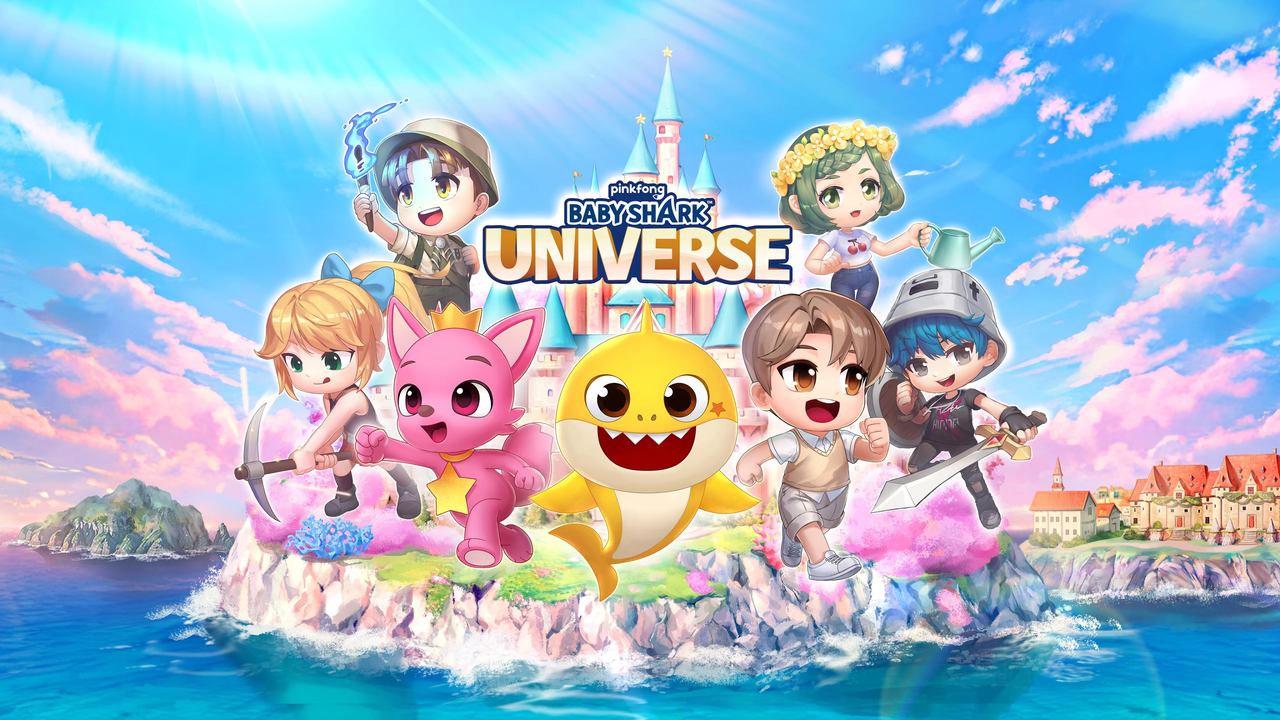
Baby Shark Universe is a Web3 entertainment ecosystem built around the Baby Shark IP. Its core direction is to expand digital interactive experiences through blockchain technology. The project seeks to combine familiar entertainment characters with NFTs, virtual identities, on chain transactions, and an open world, allowing users to interact, create, and manage assets in a digital space.
In traditional gaming systems, users can purchase in game items or skins, but these assets are usually not truly owned by players and are difficult to move across platforms. In the BabyShark ecosystem, NFTs and on chain wallet mechanisms give digital assets verifiable ownership and tradability. This is one of the key differences between Web3 games and traditional games.
How Does BabyShark’s Web3 Gaming Ecosystem Work?
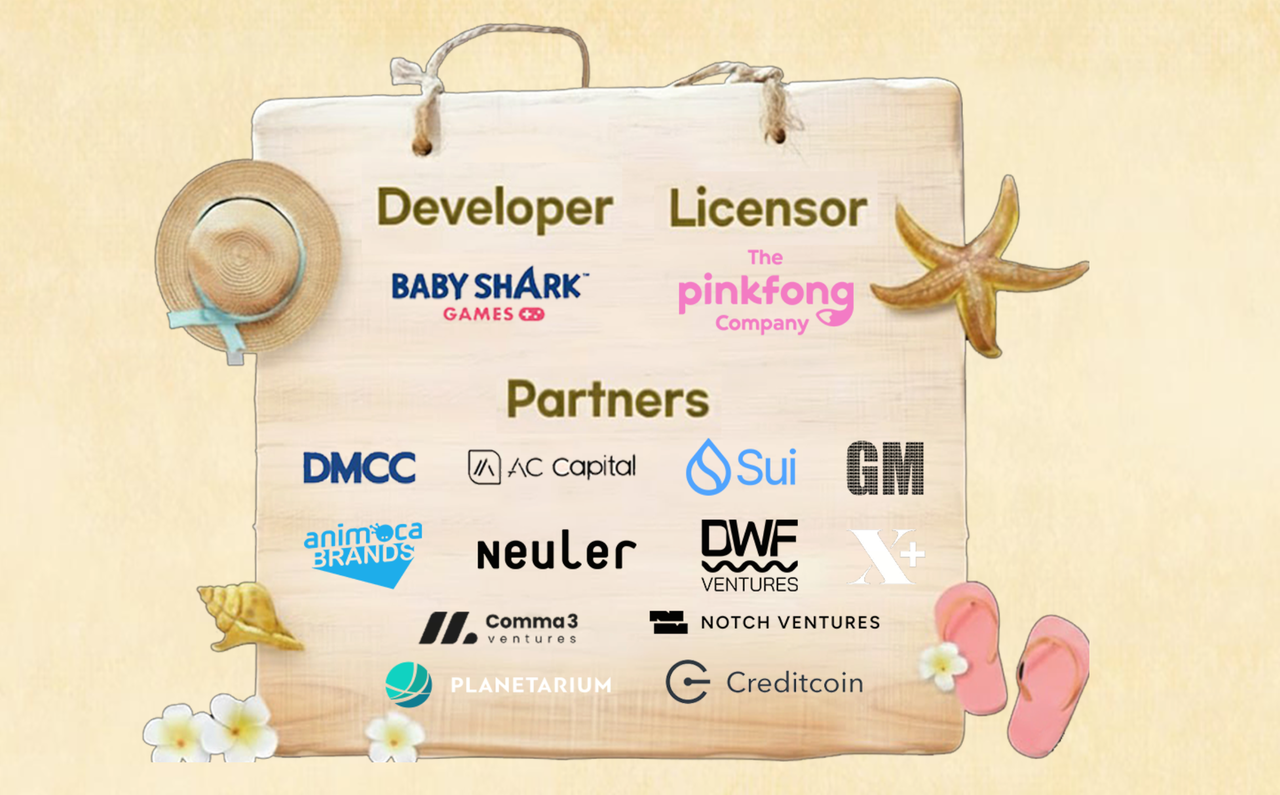
The BabyShark Universe ecosystem is built around open world interaction. Users can enter the virtual space through an Avatar and take part in games, social activities, tasks, and digital asset trading. Different modules in the ecosystem work together to form a complete on chain interaction system. The Avatar system is used to establish on chain identity, NFT items serve both asset and gameplay functions, the Marketplace supports NFT trading between users, and the UGC system allows community members to create content and take part in ecosystem development.
Unlike traditional Web2 games, Web3 games place greater emphasis on asset ownership and open economic systems. Players are not only content consumers. They may also become content creators and ecosystem participants. This structure is gradually shifting Web3 games from standalone gaming platforms into digital community ecosystems.
What Role Does BabyShark’s NFT System Play?
NFTs are one of the core components of BabyShark Universe. Characters, clothing, items, collectibles, and certain virtual assets in the game can all exist in the form of NFTs. On chain NFTs are not only used to display digital ownership. They also support gameplay interaction, market trading, community activities, and other functions.
In the BabyShark ecosystem, users can freely hold and trade NFTs, and manage them through wallets. Compared with the platform controlled data structures found in traditional games, NFTs place greater emphasis on users’ actual ownership of digital assets. When users trade in the Marketplace, the on chain system can record the origin, transaction history, and ownership changes of each NFT.
As the user generated content model develops, NFTs are also used to support the community creator ecosystem. When users create new virtual content, on chain mechanisms can help ensure asset ownership and circulation.
What Are BabyShark’s Open World and UGC Mechanisms?
The open world is one of the key design directions of BabyShark Universe. The project aims to build a digital space where users can freely explore, interact, and create, rather than simply offering a traditional linear game.
UGC, or User Generated Content, means that users can participate in building the ecosystem’s content. This may include creating virtual scenes, decorating spaces, customizing Avatars, or designing community interaction activities. Unlike traditional gaming platforms, which mainly rely on official content updates, the UGC model allows the community to jointly drive ecosystem expansion.
What Are the Features of BabyShark’s Token Economy?
Tokens in the BabyShark ecosystem are mainly used for game interaction, NFT trading, community governance, and ecosystem incentives. On chain tokens can circulate on public networks and be managed automatically through smart contracts, which makes their economic system clearly different from traditional in game currencies.
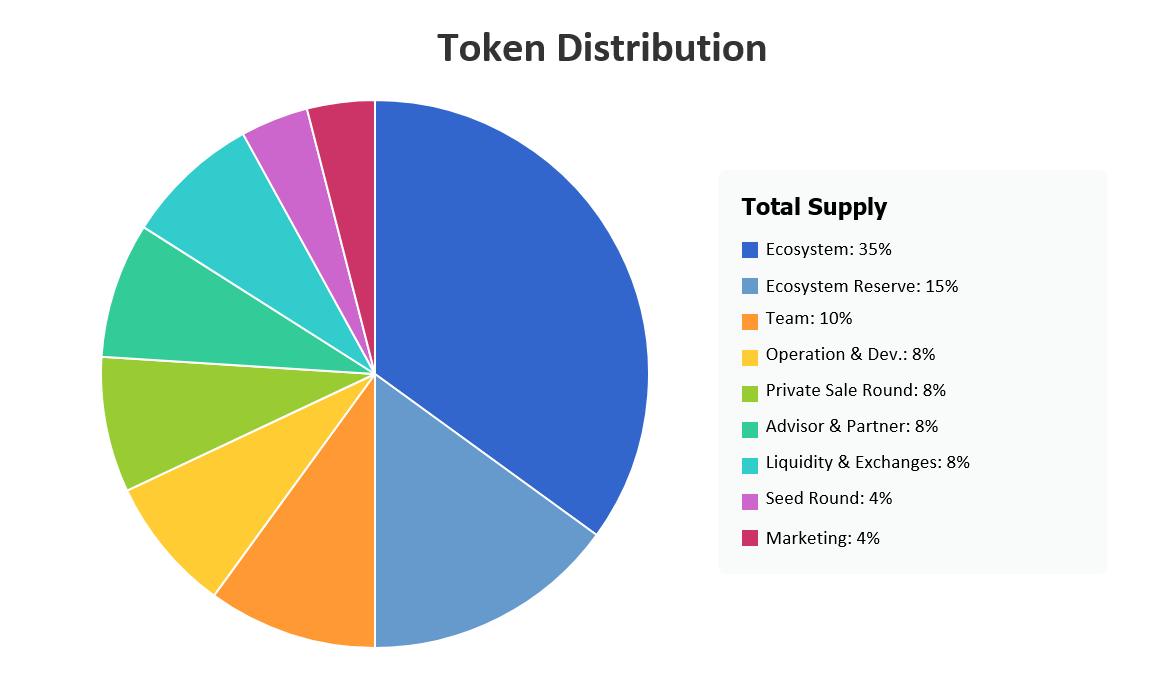
In most Web3 games, tokens are not only used for payments. They can also be used in community activities, governance voting, and reward mechanisms. By participating in ecosystem interactions, users can use digital assets across different scenarios, and these assets can then form an internal economic cycle.
How Is BabyShark Different from Other Web3 Gaming Projects?
The current Web3 gaming market already includes several representative projects, such as The Sandbox, Decentraland, and Pixels.
Compared with these projects, BabyShark places greater emphasis on the mass appeal and distribution power of entertainment IP. Some Web3 metaverse projects are mainly aimed at crypto native users, while BabyShark attempts to lower the entry barrier to Web3 through familiar entertainment content.
In addition, BabyShark focuses more on community interaction and content creation. Its open world and UGC structure also reflect the development logic of a community built metaverse. This model gives it a certain distinction from purely financialized GameFi projects.
What Challenges Does the Web3 Gaming Ecosystem Face?
Although Web3 gaming has continued to develop in recent years, the industry still faces several practical challenges. First, on chain processes such as wallet operations, gas fees, and NFT management still create a certain barrier for ordinary users. Compared with traditional games, Web3 games need to find a balance between user experience and blockchain mechanisms.
Second, the relationship between NFTs and game economies is also relatively complex. If economic incentives are too strong, users may focus more on speculation than on the game itself. If incentives are too weak, community activity and ecosystem sustainability may be affected.
In addition, while open world and UGC models can increase community participation, they also place higher demands on content moderation, long term operations, and system stability. As a result, the long term development of Web3 games depends not only on technological innovation, but also on the strength of the content ecosystem and community building.
Conclusion
As a Web3 gaming ecosystem built around Baby Shark Universe, BabyShark combines entertainment IP with blockchain technology through NFTs, an open world, user generated content, and an on chain asset system. Its structure involves not only game interaction, but also digital asset ownership, community governance, and an open content ecosystem.
As the Web3 gaming industry gradually shifts away from a single financialized model and moves toward a stage that values entertainment experiences and community interaction more deeply, IP based Web3 projects are becoming a new direction for exploration.
FAQs
Is BabyShark a Meme Coin?
BabyShark has community driven distribution characteristics, but its positioning is not limited to being a meme coin. The project places greater emphasis on Web3 gaming, NFTs, and an open world ecosystem.
What Is the Relationship Between BabyShark and Baby Shark Universe?
BabyShark is a core Web3 project and digital asset system component within the Baby Shark Universe ecosystem.
What Are BabyShark’s Core Uses?
Its core uses include game interaction, NFT trading, digital asset management, community activities, and participation in the open world ecosystem.
How Is BabyShark Different from Traditional Games?
Assets in traditional games are usually controlled by the platform, while Web3 games place greater emphasis on on chain asset ownership and open economic systems.
Is BabyShark a GameFi Project?
BabyShark is part of the Web3 gaming ecosystem. Since it also combines NFTs, metaverse elements, and community interaction mechanisms, it is generally classified as a GameFi or Web3 Gaming project.