As blockchain networks grow in scale, single consensus mechanisms have gradually exposed problems related to concentrated power and governance efficiency. Decred introduces PoS voting so that coin holders can exert real influence over miner behavior and protocol upgrades, changing the traditional structure dominated by computing power.
From a system design perspective, Decred’s hybrid consensus is not only a security mechanism, but also a governance tool. It integrates validation rights, incentives, and decision making power within the same system.
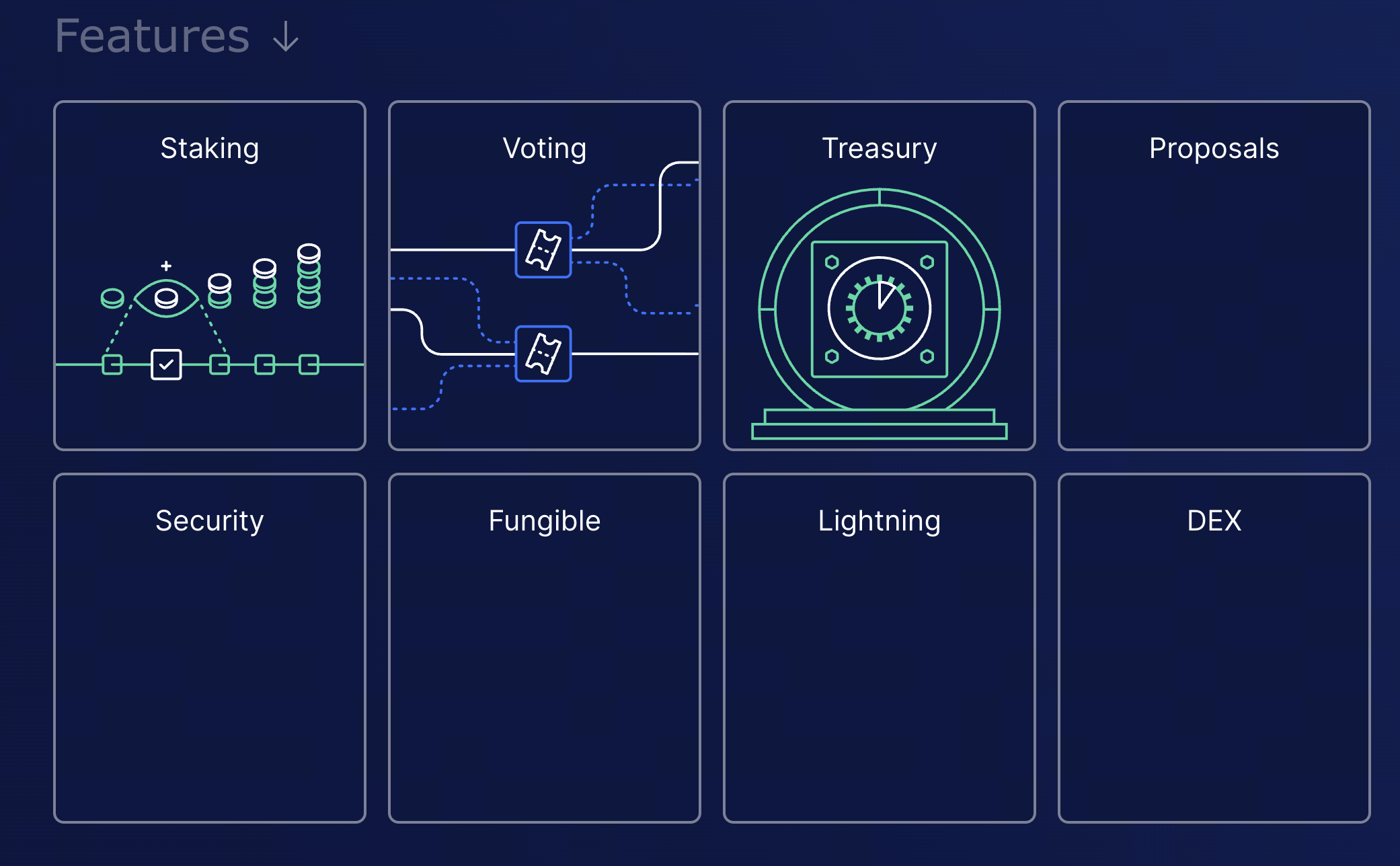
Source: decred.org
Overview of Decred’s Hybrid Consensus Mechanism: A Two Layer Security Model of PoW + PoS
In the Decred network, PoW and PoS do not operate independently. Instead, they form a two layer structure.
PoW is responsible for block production, meaning it generates new blocks through computation. PoS is responsible for block validation and voting confirmation. A block is accepted by the network only when both conditions are met.
The core of this structure is the separation of generation rights from final confirmation rights, which prevents any single group of participants from gaining excessive influence over the network. Topics such as the types of blockchain consensus mechanisms and how hybrid consensus works can serve as useful extensions for further understanding.
The Role of PoW in Decred: Block Production and Hash Power Security
PoW in Decred plays a role similar to that of miners in traditional blockchains, meaning it is responsible for packaging transactions and producing new blocks.
Miners compete by consuming computational resources. After successfully producing a block, they can receive transaction fees and block rewards. Unlike in a single PoW network, however, miners in Decred do not have final decision making power.
Their main responsibilities include:
-
Packaging transactions and constructing blocks
-
Maintaining blockchain continuity
-
Providing basic hash power security
It is worth noting that even if a miner successfully produces a block, that block may still be rejected if it does not pass PoS voting. This design limits the scope of miner power.
The Role of PoS in Decred: Block Validation and Governance Participation
PoS in Decred is implemented through the Ticket mechanism. Users need to lock a certain amount of DCR to purchase Tickets and obtain voting rights.
When each block is generated, the system randomly selects 5 Tickets to vote. At least 3 votes must approve the block for it to be considered valid. This mechanism helps ensure that block validation remains decentralized.
The main roles of PoS include:
-
Validating blocks generated by miners
-
Voting on protocol upgrades
-
Participating in Treasury fund decisions
Voters can also influence miner behavior by rejecting certain blocks, such as preventing the production of empty blocks. The full process of how Decred’s staking mechanism, or Ticket system, works can be further broken down and analyzed.
Block Confirmation Process: How PoW and PoS Work Together to Reach Consensus
Decred’s consensus process can be understood as a staged collaboration:
-
Miners generate new blocks through PoW
-
The system randomly selects 5 Tickets to vote
-
A block is confirmed only after receiving at least 3 approving votes
-
If the voting threshold is not reached, the block may be rejected
The key point of this mechanism is:
The final validity of a block is determined by PoS voting, rather than by hash power alone.
In addition, if miner behavior does not serve the interests of the network, such as ignoring transactions or constructing unreasonable blocks, voters can punish miners by rejecting those blocks. This creates a dynamic constraint mechanism.
Security Analysis of Hybrid Consensus: Why It Is More Complex Than a Single Mechanism
Decred’s hybrid consensus introduces a multi layer security structure by combining PoW and PoS, so the network no longer depends on a single resource. Miners produce blocks, while voters determine final confirmation. This separation of roles reduces the likelihood that any single group can control the network.
From the perspective of attack cost, hybrid consensus significantly raises the threshold. An attacker would need not only to control hash power, but also to hold a large number of tokens to participate in voting. In other words, they would have to control both computational power and capital, which increases the difficulty of an attack.
The PoS voting mechanism also provides a way to constrain behavior. Even if a block complies with technical rules, voters can still reject blocks that do not align with the network’s interests, such as empty blocks or abnormal behavior. This creates a check on miners.
However, this security improvement also brings greater complexity. The system needs to coordinate two types of participants and also depends on voter participation and token distribution. If participation is insufficient or voting power becomes overly concentrated, the security advantage may be weakened.
Incentive Structure: How PoW Miners and PoS Stakers Receive Rewards
Decred’s block reward allocation directly reflects the logic of its hybrid consensus: incentives are no longer centered solely on hash power, but are built around three roles: block production, validation, and governance. Miners receive basic rewards by producing blocks, while stakers earn the main share of rewards by participating in voting, forming a two layer incentive structure.
In terms of specific allocation, PoS voters receive the vast majority of block rewards. This means the network places greater emphasis on block validation and governance participation, rather than simply relying on hash power competition. This design gives coin holders stronger economic weight within the system and encourages more users to participate in staking and voting.
For participants, the main path to earning rewards is to buy Tickets and take part in voting. When a Ticket is selected and successfully votes, the holder can receive rewards while the originally staked funds are unlocked. This lock, participate, and release cycle encourages users to stay involved in network operations over the long term.
| Participant Role |
Reward Share |
Function |
| PoW miners |
1% |
Produce blocks |
| PoS voters |
89% |
Validate blocks and govern |
| Treasury |
10% |
Support ecosystem development |
PoS voters receive most of the rewards, which means the network places more emphasis on validation and governance than on hash power alone. Ticket holders can receive rewards after successfully voting and then unlock their originally staked funds. This mechanism encourages long term participation in network operations.
Overall, this incentive structure balances hash power providers and governance participants, so network operations are no longer dominated by a single group, but are instead driven by multiple parties working together.
Limitations and Challenges of Hybrid Consensus
Although hybrid consensus has advantages in security and governance capability, its structural complexity also creates practical challenges. Compared with a single consensus mechanism, Decred needs to coordinate two types of participants, miners and stakers, making the system logic and operating process more complex.
In addition, participating in PoS voting requires assets to be locked, which reduces capital liquidity to some extent. For some users, this lockup mechanism may affect their willingness to participate, limiting the activity level of the voting mechanism.
Governance effectiveness also depends on voter participation. If many coin holders do not vote, decisions may become concentrated among a small number of active participants, weakening decentralization. At the same time, because Tickets are selected randomly, returns also carry a degree of uncertainty.
Therefore, although hybrid consensus improves security and governance capability, its effectiveness still depends on user participation and the continuous balance of its incentive structure.
Summary
Decred’s hybrid consensus mechanism combines PoW and PoS to separate block generation from validation, while further embedding governance into the consensus process. This design not only raises the cost of attacks, but also allows coin holders to participate directly in network decisions, helping blockchain operations move from a model driven by hash power alone to one based on coordination among multiple parties.
At the same time, this mechanism also brings greater system complexity and higher participation barriers, placing greater demands on users’ understanding and willingness to participate. Overall, Decred offers a representative design path for integrating consensus and governance. Its value lies in exploring how blockchains can build a long term balance among security, incentives, and autonomy.
FAQ
- What is the purpose of Decred’s PoS voting?
It is used to validate blocks, participate in governance, and influence miner behavior.
- Why does a block need at least 3 votes?
This helps ensure that block validation remains decentralized and avoids single point control.
- Is Decred’s hybrid consensus more secure?
Structurally, it raises the cost of an attack, but security still depends on participation distribution and incentive design.
- What is a Ticket?
It is a staking credential used to obtain voting rights and participate in network validation.
- What happens if voting fails?
The block may be rejected, and the miner’s reward may also be affected.







